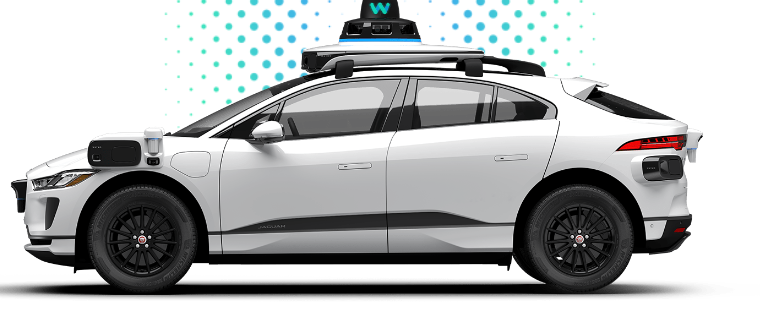
The world of transportation is undergoing a monumental shift with the rise of autonomous vehicles (AVs). Once a staple of science fiction, self-driving cars are rapidly becoming a reality, promising to revolutionize the way we commute, travel, and transport goods. This blog will explore the history of autonomous vehicles, the cutting-edge technologies that power them, the potential benefits and challenges, and what the future holds for this groundbreaking innovation.
The concept of autonomous vehicles has fascinated engineers and futurists for decades. The journey began in the mid-20th century with early experiments in automated driving. However, it wasn't until the late 20th and early 21st centuries that significant strides were made. In the 1980s and 1990s, academic and military institutions conducted some of the first serious experiments with autonomous driving. Projects like Carnegie Mellon University's Navlab and the Defense Advanced Research Projects Agency (DARPA) Autonomous Land Vehicle laid the groundwork for future developments. The DARPA Grand Challenges in the early 2000s were pivotal in accelerating AV research. These competitions encouraged teams to develop autonomous vehicles capable of navigating challenging terrains. The success of the Stanford Racing Team's Stanley in the 2005 challenge demonstrated the feasibility of autonomous driving and sparked further innovation. By the 2010s, major tech companies and automotive manufacturers entered the race to develop autonomous vehicles. Google (now Waymo) led the charge with its self-driving car project, followed by companies like Tesla, Uber, and traditional automakers such as General Motors and Ford.
Autonomous vehicles rely on a combination of advanced technologies to navigate and make decisions without human intervention. These technologies include sensors and cameras, which provide a comprehensive view of the vehicle's surroundings, detecting obstacles, other vehicles, pedestrians, and road conditions. At the heart of autonomous driving is sophisticated AI and machine learning algorithms. These systems process vast amounts of data from sensors to make real-time decisions, such as identifying objects, predicting movements, and planning safe routes. High-definition maps are used to understand the environment and navigate accurately. These maps are constantly updated to reflect changes in road conditions, traffic patterns, and construction. AVs often rely on vehicle-to-everything (V2X) communication, enabling them to interact with other vehicles, traffic signals, and infrastructure. This connectivity enhances safety and efficiency by allowing AVs to anticipate and respond to dynamic traffic situations.
The widespread adoption of autonomous vehicles promises numerous benefits but also presents significant challenges. One of the most compelling advantages of AVs is their potential to reduce traffic accidents caused by human error. Autonomous systems are not prone to distractions, fatigue, or impaired judgment, which could lead to safer roads. AVs can optimize traffic flow, reduce congestion, and improve fuel efficiency. With the ability to communicate and coordinate with each other, AVs can smooth traffic patterns and minimize delays. They also have the potential to provide greater mobility for individuals with disabilities, the elderly, and those who cannot drive, leading to more inclusive and accessible transportation options. AVs can contribute to reduced emissions through more efficient driving patterns and the potential integration with electric vehicles. Optimized routes and smoother traffic flow can lower overall energy consumption.
However, several challenges must be addressed. Developing a regulatory framework for autonomous vehicles is complex. Governments need to establish standards for safety, liability, and data privacy to ensure the responsible deployment of AVs. Building public trust in autonomous technology is crucial. High-profile accidents involving AVs have raised concerns about their safety and reliability. Transparent communication and rigorous testing are essential to gain consumer confidence. The existing infrastructure needs to adapt to accommodate autonomous vehicles, including upgrading roadways, traffic signals, and communication networks to support V2X technology. Autonomous vehicles are vulnerable to cyberattacks that could compromise their safety and functionality. Robust cybersecurity measures are necessary to protect AV systems from malicious threats.
The future of autonomous vehicles is filled with exciting possibilities. As technology continues to advance, we can expect to see more AVs on our roads, transforming the way we live and travel. Autonomous ride-sharing services and public transportation systems could become more prevalent, reducing the need for personal car ownership and alleviating urban congestion. The logistics and trucking industries are likely to benefit from autonomous technology, with self-driving trucks offering increased efficiency and reduced operational costs. Autonomous vehicles will play a crucial role in the development of smart cities, where integrated transportation systems and connected infrastructure create seamless and efficient urban environments. Ongoing research and development will lead to further improvements in AV technology, including advancements in AI, sensor capabilities, and energy efficiency.
In conclusion, autonomous vehicles represent a transformative force in the automotive industry, promising safer, more efficient, and accessible transportation. While challenges remain, the progress made so far indicates a future where self-driving cars become an integral part of our daily lives, reshaping the way we move and connect with the world.