Introduction
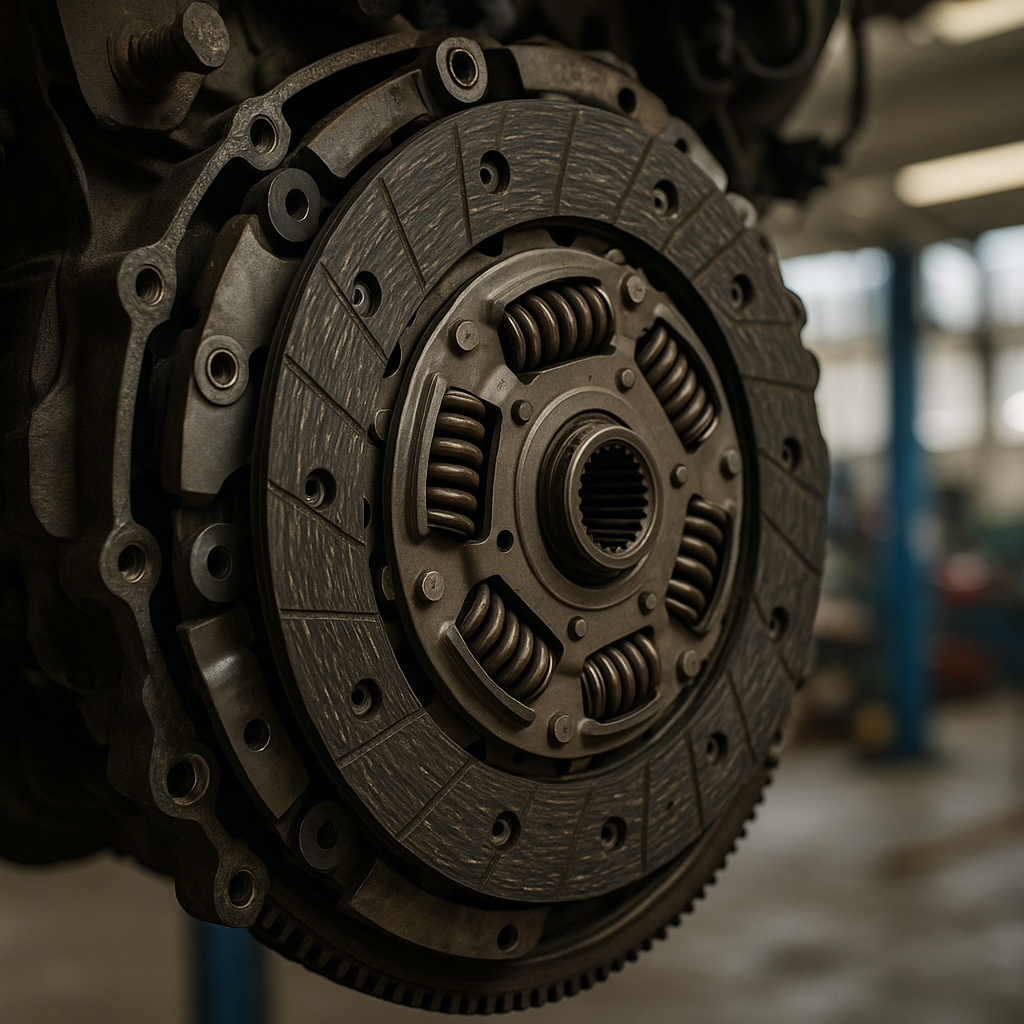
The clutch is a vital component of your vehicle's transmission system, allowing you to engage and disengage the engine from the wheels. Over time, however, clutches can wear out, leading to potential issues that may affect your driving experience. Recognising the signs of a failing clutch is crucial to preventing more significant problems down the line. This blog post will outline the key indicators that your clutch may be wearing out.
1. Slipping Clutch
One of the most common signs of a worn clutch is when it begins to slip. This occurs when the engine revs increase without a corresponding increase in the vehicle's speed. If you notice that your engine sounds like it is working harder without the expected acceleration, it may be time to inspect your clutch.
2. Difficulty Engaging Gears
If you find it increasingly difficult to shift gears, your clutch could be to blame. This problem may manifest as grinding noises when attempting to engage gears, or a feeling of resistance when moving the gear stick. In some cases, you may need to press the clutch pedal all the way to the floor to engage a gear, which can indicate a clutch that is not fully disengaging.
3. Spongy or Stiff Clutch Pedal
The feel of your clutch pedal can provide significant insight into its condition. A spongy or soft clutch pedal may suggest air in the hydraulic line or a worn clutch master cylinder. Conversely, a stiff clutch pedal can indicate a problem with the release bearing or pressure plate. Both conditions warrant immediate attention to avoid further damage.
4. Unusual Noises
Pay attention to any unusual noises when engaging or disengaging the clutch. Sounds such as grinding, squeaking, or rattling can indicate that the clutch components are wearing out. These noises often signal a problem with the release bearing or other related parts. If you hear these sounds, it's best to consult a mechanic.
5. Burning Smell
A burning smell, especially when combined with the other symptoms mentioned, can indicate that your clutch is overheating. This might occur due to excessive slipping or riding the clutch. If you notice this smell, stop driving and have your vehicle inspected to prevent further damage.
6. Clutch Pedal Vibration
Vibration in the clutch pedal can be another sign of wear. If you feel a noticeable vibration when you press the pedal, it could indicate problems with the clutch assembly, such as a worn-out pressure plate or disc. Addressing this issue promptly can save you from more extensive repairs down the line.
7. Increased Clutch Travel
Increased travel in the clutch pedal, meaning you have to press it further down than usual to engage or disengage the clutch, can point to a problem with the clutch system. This could be due to wear on the clutch disc or issues with the hydraulic system. If you notice this change, it’s advisable to have a professional check it out.
8. Fluid Leaks
If you observe fluid leaking from the clutch master cylinder or slave cylinder, it can indicate a problem within the hydraulic system. Low fluid levels can lead to clutch failure, so it’s crucial to address any leaks as soon as possible.
9. Difficulty Starting Your Car
If your vehicle struggles to start, especially if you have to press the clutch pedal multiple times or at different angles, this could indicate a failing clutch. A properly functioning clutch should allow for smooth starting without excessive effort.
10. Warning Lights
Modern vehicles often come equipped with warning lights on the dashboard to alert you of potential issues. If your vehicle has a warning light related to the clutch or transmission system, do not ignore it. Refer to your owner's manual for guidance on what specific warnings mean and consult a mechanic if necessary.
What to Do If You Notice These Signs
If you observe any of the above symptoms, it is essential to take action quickly. Ignoring clutch issues can lead to more severe damage, potentially requiring a complete clutch replacement, which can be costly. Here are some steps you can take:
- Consult a Mechanic: If you suspect your clutch is wearing out, schedule an appointment with a qualified mechanic who can perform a thorough inspection.
- Monitor Your Driving Habits: Avoid riding the clutch or using it excessively, as these habits can accelerate wear.
- Maintain Your Vehicle: Regular maintenance, including checking the hydraulic fluid levels, can help prolong the life of your clutch.
- Educate Yourself: Familiarise yourself with your vehicle’s specific clutch system to understand better how it works and when it might need attention.
Conclusion
Being aware of the signs of a worn clutch can save you time, money, and frustration in the long run. Regularly monitoring your vehicle's performance and addressing any issues promptly will help ensure that your clutch remains in good working order. If you experience any of the symptoms mentioned in this article, do not hesitate to reach out to a professional for assistance. Keeping your clutch in top condition will not only enhance your driving experience but also contribute to the overall longevity of your vehicle.