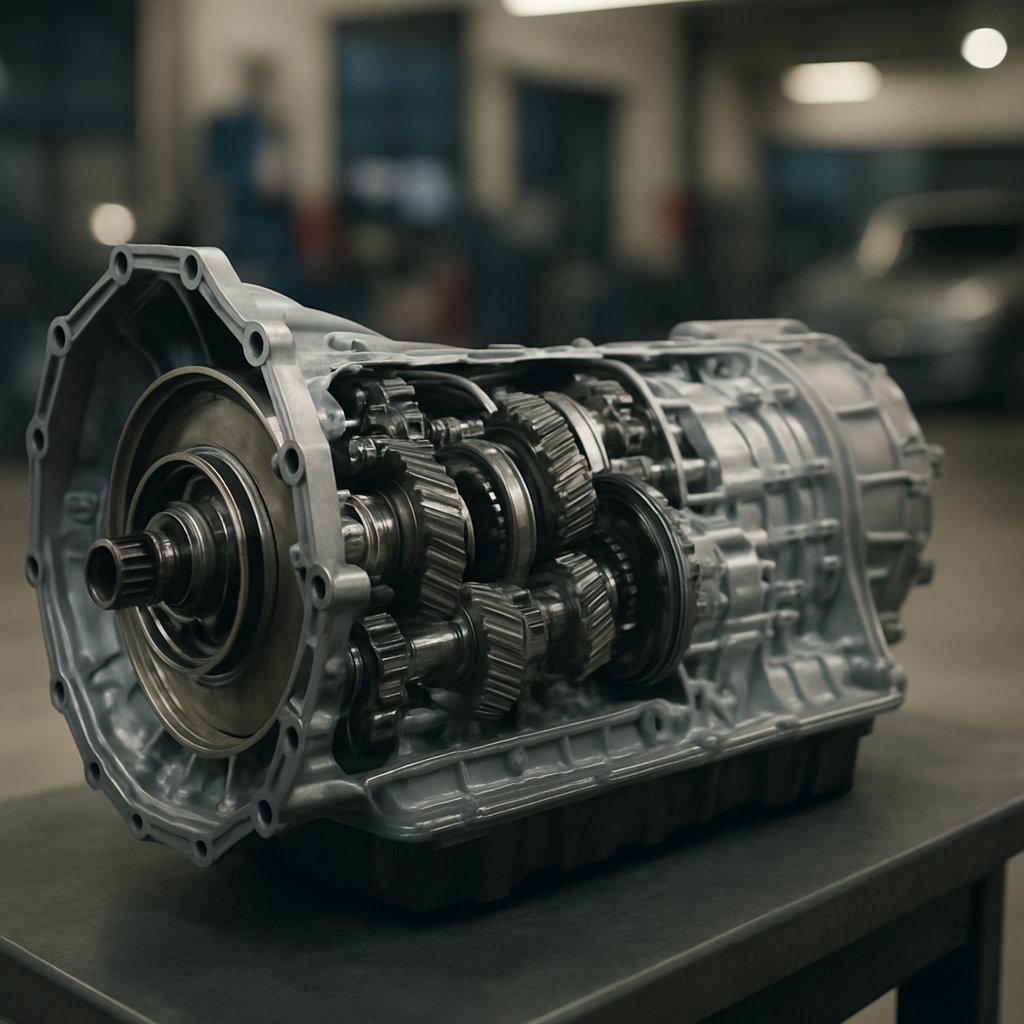
Understanding Your Automatic Transmission
The automatic transmission in your vehicle plays a crucial role in its overall performance and longevity. It allows for smooth gear shifts and is designed to handle various driving conditions. However, like any other component, it can experience wear and tear over time, potentially leading to costly repairs. In this guide, we'll explore practical steps you can take to reduce wear on your automatic transmission and extend its lifespan.
Regular Fluid Checks and Changes
One of the most critical aspects of maintaining an automatic transmission is ensuring the fluid is in good condition. Transmission fluid lubricates the moving parts and provides hydraulic pressure for shifting gears. Over time, this fluid can degrade, leading to increased friction and wear.
To keep your transmission healthy, follow these guidelines:
- Check the transmission fluid level regularly, ideally once a month.
- Look for signs of contamination, such as a burnt smell or dark colour.
- Change the transmission fluid and filter according to your vehicle manufacturer’s recommendations, typically every 30,000 to 60,000 miles.
Avoid Overheating
Heat is one of the main contributors to transmission wear. Overheating can cause the fluid to break down and lead to significant damage. Here are some tips to help manage your transmission’s temperature:
- Avoid heavy towing or carrying excessive loads, as this can strain the transmission.
- Ensure your cooling system is functioning correctly; check the radiator and coolant levels regularly.
- Consider installing an external transmission cooler if you frequently tow or drive in hot conditions.
Drive Smoothly
Your driving habits can significantly impact the wear on your automatic transmission. Aggressive driving, including rapid acceleration and hard braking, can cause unnecessary strain. To drive more smoothly:
- Accelerate gradually and avoid sudden starts.
- Anticipate stops and decelerate smoothly instead of braking hard.
- Utilise cruise control on the motorway to maintain a steady speed.
Use the Right Transmission Fluid
Not all transmission fluids are created equal. Using the correct type of fluid for your vehicle is essential for optimal performance and longevity. Always refer to your owner’s manual to find the recommended transmission fluid specifications. Using the wrong fluid can lead to suboptimal performance and increased wear.
Maintain Your Vehicle's Overall Health
A well-maintained vehicle is less likely to put additional stress on the transmission. Regular maintenance checks, including engine tune-ups, brake inspections, and tyre rotations, can help keep your entire vehicle in good shape. Pay attention to the following:
- Ensure the engine is running smoothly; a poorly running engine can affect the transmission.
- Check for any fluid leaks under the vehicle.
- Keep the air filter and fuel system clean.
Listen for Unusual Noises
Be attentive to any unusual noises coming from your transmission. Sounds such as grinding, whining, or clunking can indicate problems that may require immediate attention. If you notice any of these signs, it’s advisable to consult a professional mechanic as soon as possible to prevent further damage.
Limit Short Trips
Frequent short trips can prevent your automatic transmission from reaching its optimal operating temperature. This can lead to condensation build-up in the fluid, which can cause corrosion and wear. Whenever possible, combine errands or take longer drives to allow the transmission to warm up properly.
Conclusion
Reducing wear on your automatic transmission is essential for maintaining your vehicle's performance and longevity. By following the practical tips outlined in this guide, you can help ensure that your transmission remains in good condition for years to come. Regular maintenance, smooth driving habits, and awareness of your vehicle’s needs are all crucial components of preserving your automatic transmission.