Introduction
Your vehicle's braking system is one of the most critical components for safety on the road. Ensuring that your brake pads and discs are in good condition is essential not only for performance but also for your safety. Regular maintenance and mindful driving can significantly extend the life of these components, saving you money in the long run. In this guide, we'll explore practical tips to help you maximise the lifespan of your brake pads and discs.
Understanding Brake Pads and Discs
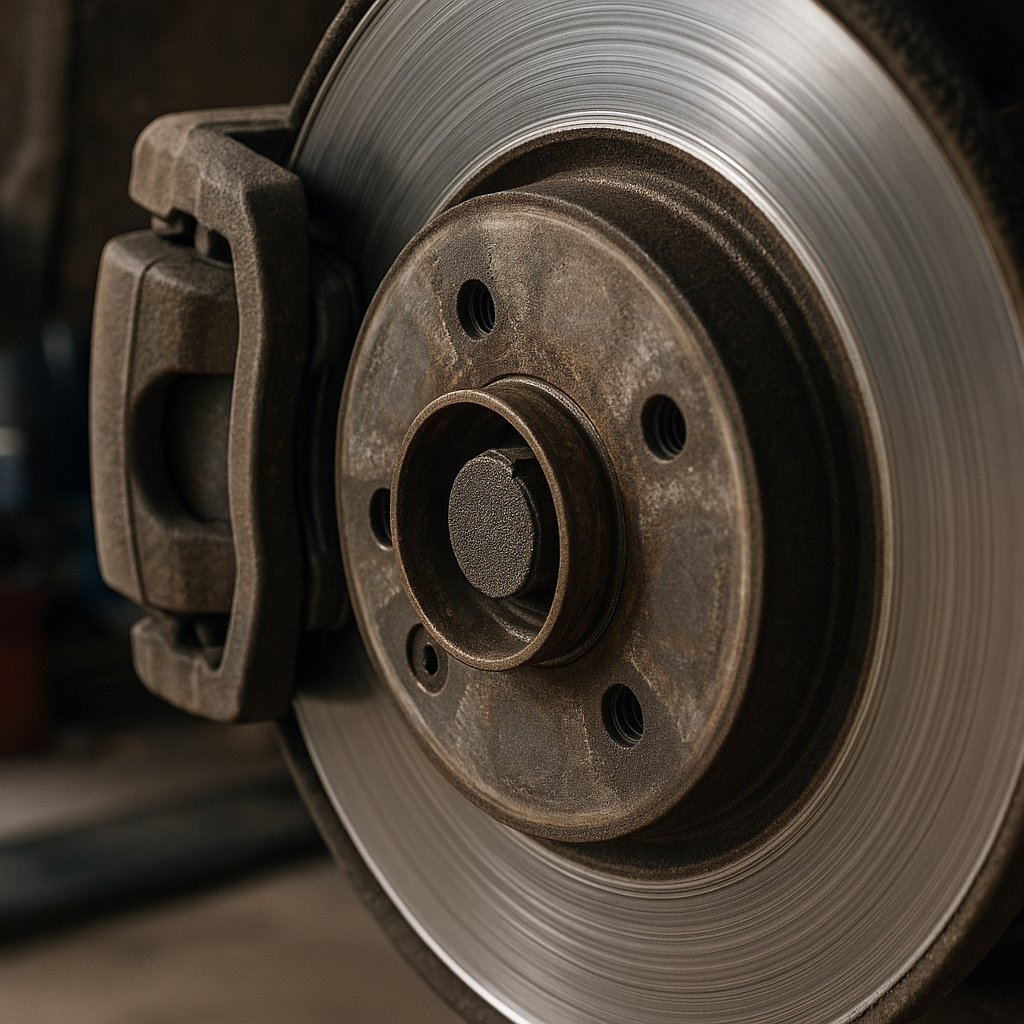
Brake pads are the friction material that presses against the brake discs (or rotors) to slow down or stop your vehicle. Over time, both components wear down due to the heat and friction generated during braking. Understanding how they work can help you take better care of them.
1. Choose Quality Parts
Investing in high-quality brake pads and discs is the first step towards longevity. Cheap alternatives may save you money initially but can wear out faster and compromise safety. Look for reputable brands with good reviews and consider OEM (Original Equipment Manufacturer) parts for optimal performance.
2. Regular Inspections
Frequent inspections of your braking system can catch potential issues before they become serious. It is advisable to check your brake pads and discs at least every 6 months or during regular service intervals. Look for signs of wear, such as:
- Thickness of the brake pads
- Cracks or grooves in the discs
- Unusual noise during braking
3. Brake Pad Replacement
Brake pads should be replaced when they reach a thickness of 3mm or less. If you notice any grinding noises, it's a sign that the pads are worn down to the metal and will likely damage the discs. Regularly replacing your brake pads will help maintain the integrity of your brake discs.
4. Disc Maintenance
Brake discs also need care. If you notice any warping or uneven wear, it might be time to replace them. Regularly cleaning your discs can also help prevent rust and grime build-up, enhancing performance and longevity.
5. Drive Mindfully
Your driving habits can significantly affect the lifespan of your brake components. Here are some mindful driving practices:
- Avoid sudden stops whenever possible.
- Use engine braking by downshifting instead of relying solely on your brakes.
- Maintain a safe distance from the vehicle ahead to reduce the frequency of braking.
6. Avoid Overloading Your Vehicle
Excess weight can put additional strain on your braking system. Be mindful of how much weight you’re carrying, especially if you frequently transport heavy loads. Check your vehicle’s manual for the maximum load capacity.
7. Use the Right Brake Fluid
Brake fluid is essential for the proper functioning of your braking system. Ensure you use the correct type of brake fluid as specified in your vehicle's manual. Regularly check the brake fluid level and replace it as recommended, as old or contaminated fluid can lead to brake failure.
8. Keep Your Wheels Clean
Brake dust can accumulate on your wheels, making it difficult to spot potential issues. Regularly cleaning your wheels can help you spot uneven wear and other problems early on. Use a soft brush and a suitable wheel cleaner to avoid damaging the finish.
9. Avoid Frequent Short Trips
Frequent short trips can prevent your brakes from reaching optimal operating temperature, leading to increased wear. If possible, combine errands into one trip or consider taking the longer route to give your brakes a chance to heat up. This practice not only extends the life of your brake components but also improves overall vehicle efficiency.
10. Listen to Your Vehicle
Pay attention to any changes in your vehicle’s braking performance. Unusual noises, vibrations, or pulling to one side when braking can indicate problems. If you notice any of these symptoms, it’s crucial to have your braking system inspected by a professional.
Conclusion
Extending the life of your brake pads and discs requires a combination of quality parts, regular maintenance, mindful driving, and attention to detail. By following these practical tips, you can enhance the performance and safety of your braking system, ultimately saving money on repairs and replacements. Remember, your brakes are vital for your safety on the road, so don’t neglect them.