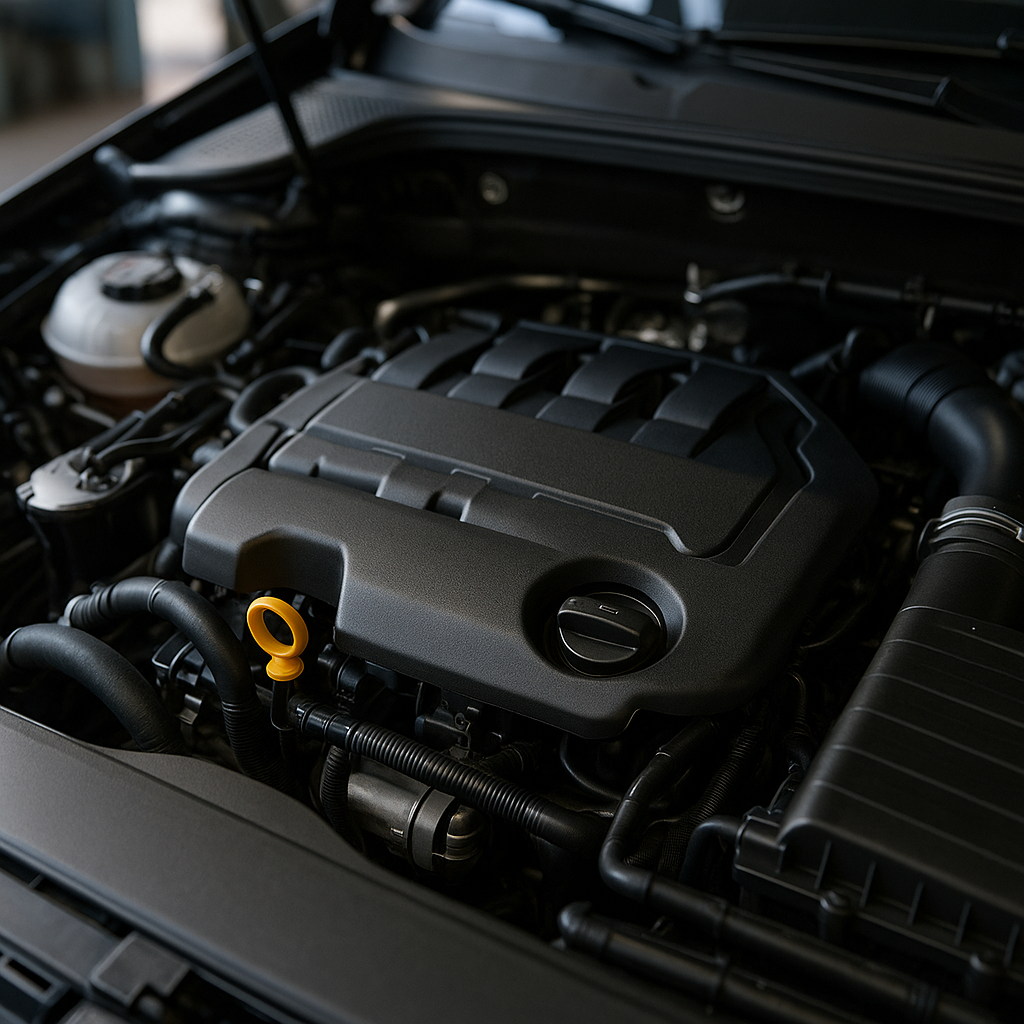
Understanding Engine Oil
Engine oil is a vital component in maintaining the health and performance of your vehicle. It lubricates the engine's moving parts, reduces friction, and helps to keep the engine clean by suspending dirt and debris. Over time, however, engine oil degrades and loses its effectiveness, making regular changes essential.
Factors Affecting Oil Change Frequency
The frequency of oil changes can vary significantly based on several factors, particularly in the diverse driving conditions found across the UK. Here are some key considerations:
- Driving Style: Aggressive driving, such as rapid acceleration and heavy braking, can increase engine wear and require more frequent oil changes.
- Type of Driving: Short trips, stop-and-go traffic, and driving in urban areas can lead to increased condensation in the oil, necessitating more frequent changes.
- Climate: Cold weather can thicken oil, while hot conditions can cause it to break down faster. The UK's variable climate should be considered when determining oil change intervals.
- Vehicle Age: Older vehicles may require more frequent oil changes due to wear and tear on engine components.
- Oil Type: Synthetic oils often last longer than conventional oils, so knowing what type of oil is used in your vehicle can help determine change intervals.
General Guidelines for Oil Change Intervals
While it's essential to consider the factors mentioned above, there are general guidelines you can follow to determine how often to change your engine oil:
- For conventional oil, it is typically recommended to change your oil every 3,000 to 5,000 miles or every 3 to 6 months, whichever comes first.
- If you're using synthetic oil, you may extend the interval to between 6,000 and 10,000 miles or every 6 to 12 months.
Specific UK Driving Conditions
The UK's driving conditions can vary widely, from urban areas with heavy traffic to rural roads and motorways. Here are some specific scenarios to consider:
Urban Driving
If you frequently drive in cities like London or Birmingham, your vehicle may experience more stop-and-go traffic. This type of driving can lead to increased engine wear, making it advisable to change your oil every 5,000 miles or every six months.
Motorway Driving
Long-distance motorway driving is generally less taxing on your engine than urban driving. If your journeys predominantly involve motorway driving, you might be able to extend your oil change interval to around 7,500 miles, especially if you're using synthetic oil.
Short Trips
Regular short trips can prevent the oil from reaching its optimal operating temperature, leading to condensation and sludge build-up. In such cases, consider changing your oil every 3,000 to 4,000 miles.
Importance of Regular Checks
In addition to following recommended intervals, it's crucial to regularly check your oil level and condition. Here’s how you can do it:
- Park your car on a level surface and wait for the engine to cool down.
- Open the bonnet and locate the dipstick.
- Remove the dipstick, wipe it clean, and reinsert it fully.
- Remove it again to check the oil level and condition. The oil should be between the minimum and maximum marks and should be a clear, amber colour.
Consult Your Owner’s Manual
Your vehicle's owner manual will provide specific recommendations based on the manufacturer’s guidelines. Always refer to this manual for the most accurate information regarding oil change intervals specific to your vehicle model.
Signs You Need an Oil Change
Be aware of signs that may indicate you need to change your oil sooner than planned:
- Oil looks dark and gritty.
- Engine oil pressure light illuminates.
- Unusual noises from the engine, such as ticking or knocking sounds.
- Excessive exhaust smoke.
Conclusion
Changing your engine oil regularly is crucial for maintaining your vehicle's performance and longevity. By considering your driving conditions, style, and the type of oil used, you can determine the best intervals for oil changes. Always keep an eye on your oil level and quality, and consult your owner's manual for specific recommendations. Regular maintenance, including oil changes, will help ensure your vehicle runs smoothly and remains reliable on the roads.