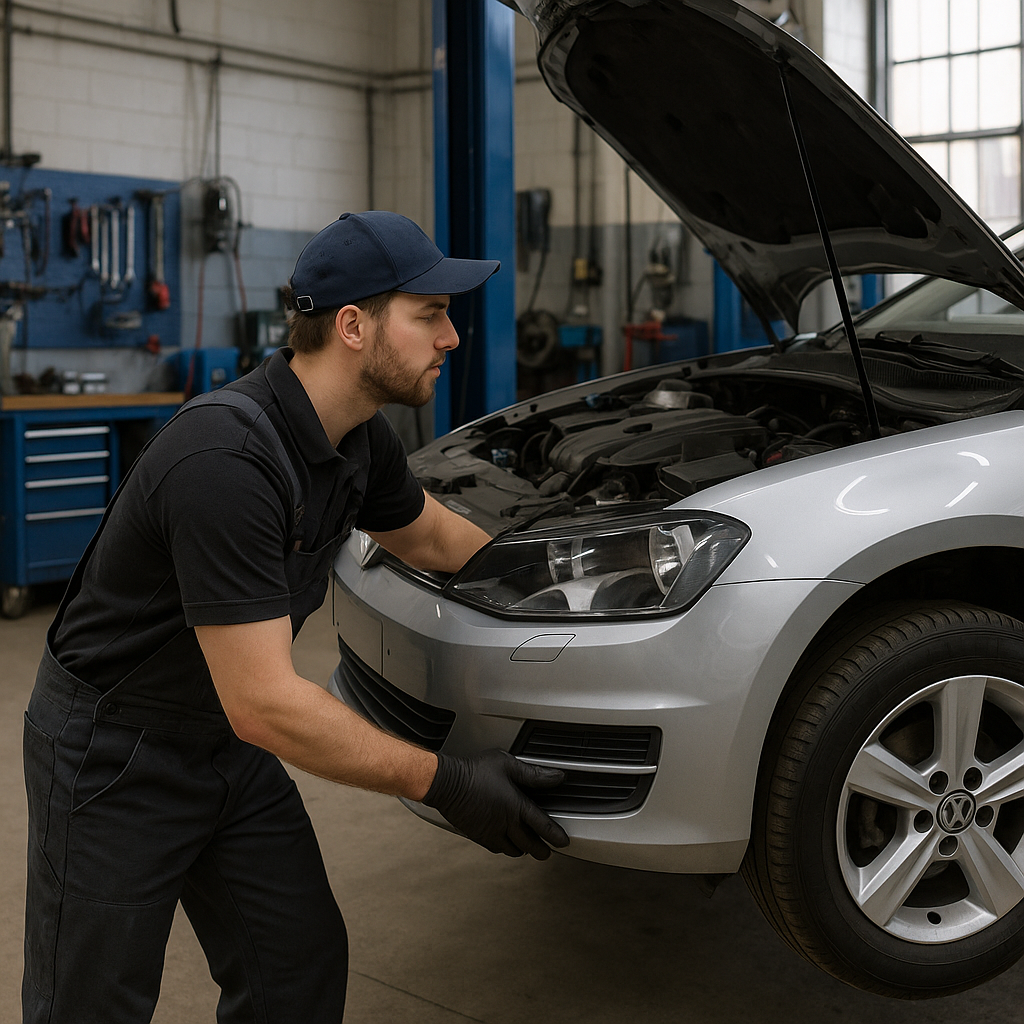
Understanding the MOT Test
The MOT (Ministry of Transport) test is a mandatory annual inspection for vehicles over three years old in the UK. It ensures that your vehicle meets essential safety and environmental standards. However, many drivers are unaware of the common issues that can lead to an MOT failure. In this blog post, we will explore these failure points and provide practical tips on how to avoid them.
1. Lights and Indicators
One of the most frequent reasons for MOT failure is faulty lights. This includes headlights, brake lights, indicators, and fog lights. A simple bulb replacement can save you from a failed test.
- Check all lights regularly, including your reversing lights.
- Ensure that the lenses are clean and not cracked.
- Replace any blown bulbs before your MOT appointment.
2. Tyres
Tyres are critical for safety, and they must meet specific legal requirements. Tread depth, pressure, and overall condition are assessed during the MOT. A minimum tread depth of 1.6mm across the central three-quarters of the tyre's width is required.
To avoid failing due to tyres, regularly inspect them for:
- Correct tread depth.
- Uneven wear patterns.
- Punctures or bulges.
3. Brakes
Brakes are crucial for vehicle safety, and their performance is rigorously tested during the MOT. Issues such as worn brake pads, leaking brake fluid, or failing to stop effectively can lead to failure.
To maintain your braking system:
- Have your brakes checked regularly.
- Listen for unusual noises when braking.
- Replace brake pads and discs as needed.
4. Windscreen and Wipers
A clear view is essential for safe driving, so your windscreen must be free from cracks or chips that obstruct the driver's view. Additionally, wipers must be in good condition to ensure visibility in adverse weather.
To keep your windscreen and wipers in top shape:
- Inspect your windscreen for chips and cracks.
- Replace wiper blades if they leave streaks or are worn.
- Ensure that your washer fluid is topped up.
5. Exhaust Emissions
Modern vehicles are subject to strict emissions standards. If your vehicle emits excessive pollutants, it will fail the MOT. This failure point is particularly common in older vehicles or those that have not been serviced regularly.
To avoid issues with emissions:
- Ensure regular servicing of your vehicle.
- Use quality fuel and consider a fuel additive to help clean the system.
- Address any engine warning lights promptly.
6. Seatbelts
Seatbelts must be functional and free from damage. The MOT tester will check that all seatbelts can be correctly fastened and released, and that they are not frayed or torn.
To ensure seatbelt compliance:
- Check each seatbelt for signs of wear.
- Ensure that all seatbelts retract properly.
- Replace any damaged seatbelts immediately.
7. Suspension
Suspension issues can lead to poor handling and a bumpy ride. During the MOT, the tester will check for leaks in shock absorbers and assess the vehicle’s overall suspension performance.
To maintain your suspension:
- Listen for unusual noises when driving over bumps.
- Check for uneven tyre wear, which can indicate suspension problems.
- Have your suspension system inspected during regular servicing.
8. Body Condition
While not directly related to safety, the condition of your vehicle's bodywork can impact its MOT status. Rust or sharp edges can lead to a failure. It's essential to keep your car's body in good condition to avoid any issues.
To maintain your vehicle's body:
- Regularly wash and wax your car to protect the paint.
- Address any scratches or dents promptly.
- Inspect for rust and treat it immediately.
Conclusion
Preparing for your MOT can be straightforward if you know what to check. Regular maintenance and inspections can help you avoid common failure points and ensure that your vehicle remains safe and roadworthy. By taking proactive steps, you can not only pass your MOT but also enhance your vehicle's performance and longevity.