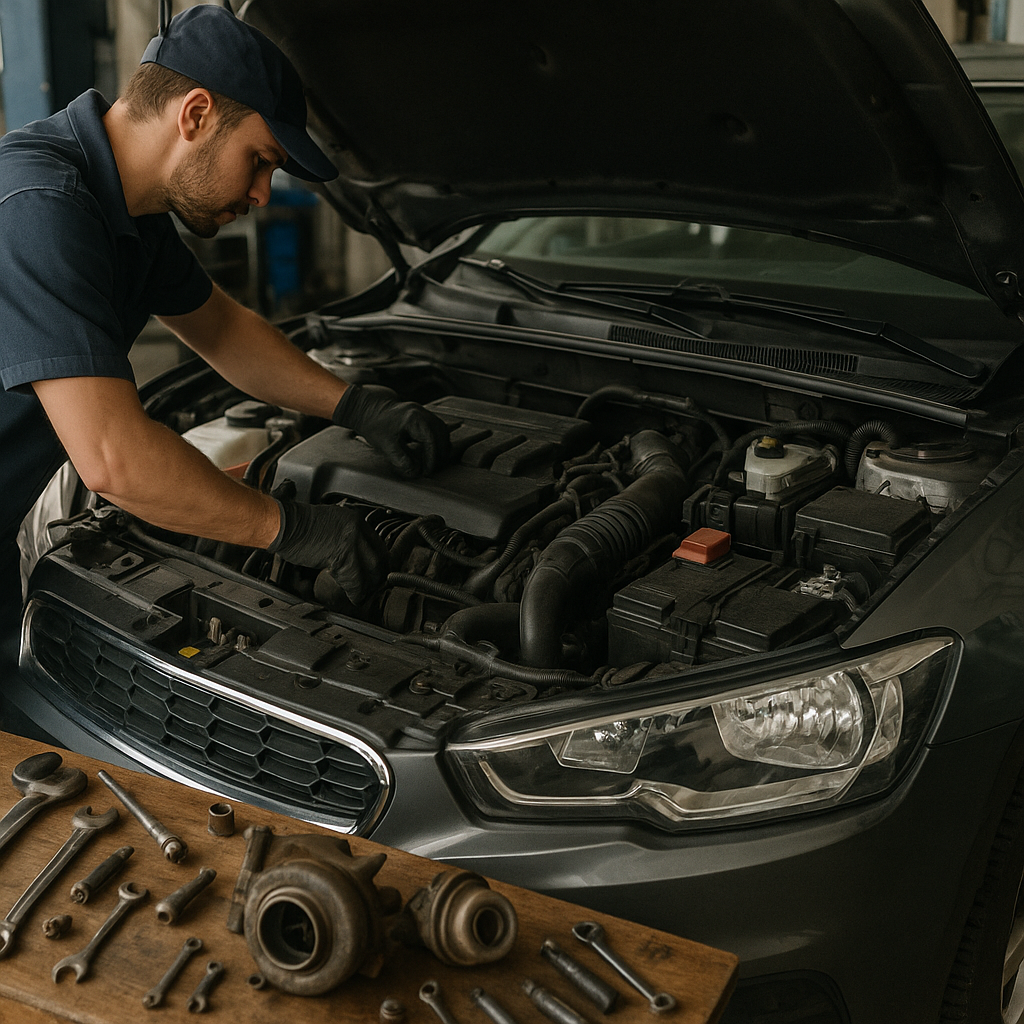
What Causes Poor Acceleration In Petrol And Diesel Vehicles
Poor acceleration can be frustrating for any driver, affecting your ability to merge into traffic or overtake safely. Whether you drive a petrol or diesel vehicle, understanding the underlying issues can help you address them efficiently. In the UK, where road conditions can vary dramatically, maintaining your vehicle’s performance is crucial for both safety and compliance with roadworthiness standards.
As part of your vehicle’s regular maintenance, it’s essential to keep an eye on its performance. The Driver and Vehicle Standards Agency (DVSA) outlines that vehicles must meet specific standards during the MOT test, including performance-related aspects. Therefore, addressing acceleration issues promptly can help you avoid complications during your next MOT.
Common Causes of Poor Acceleration
Several factors can lead to poor acceleration in both petrol and diesel engines. Here are some of the most common:
- Fuel Issues: Contaminated fuel or a clogged fuel filter can restrict fuel flow, leading to sluggish acceleration.
- Air Intake Problems: A dirty air filter or issues with the intake manifold can limit airflow, affecting engine performance.
- Ignition System Failures: Worn spark plugs or ignition coils may cause misfires, hindering acceleration.
- Transmission Issues: Problems with the transmission, such as low fluid levels or worn components, can impede power delivery.
- Exhaust Blockages: A blocked catalytic converter or exhaust system can create back pressure, reducing engine efficiency.
Symptoms to Watch For
Identifying poor acceleration is not always straightforward, but several symptoms can indicate an underlying problem:
- Unresponsive throttle when pressing the accelerator.
- Engine stuttering or misfiring during acceleration.
- Unusual noises from the engine or exhaust.
- Increased fuel consumption without a clear reason.
- Warning lights on the dashboard, particularly the check engine light.
Practical Checks and Actions
If you notice any of the symptoms listed above, there are several practical checks you can conduct before seeking professional help:
1. Inspect the Fuel System
Check your fuel filter for clogs and replace it if necessary. If you suspect contaminated fuel, consider draining the tank and refilling it with high-quality fuel.
2. Examine the Air Filter
A clean air filter is essential for optimal engine performance. Inspect it for dirt and debris; if it looks clogged, replace it according to your vehicle's service schedule.
3. Check the Spark Plugs
Worn or fouled spark plugs can lead to misfires. Inspect them and replace them if they show signs of wear. This is generally recommended every 20,000 to 30,000 miles, depending on your vehicle.
4. Monitor Transmission Fluid
Check the transmission fluid level and condition. Low or dirty fluid can lead to transmission slippage, which affects acceleration. A fluid change is typically recommended every 30,000 to 60,000 miles.
5. Look for Exhaust Issues
Inspect the exhaust system for blockages or leaks. If you suspect a blocked catalytic converter, a professional inspection is recommended.
Seasonal Considerations
In the UK, seasonal changes can impact vehicle performance. For example, cold weather can lead to thickened engine oil, affecting acceleration. Additionally, wet or icy roads may require more power for controlled acceleration. Regular checks during seasonal transitions can help maintain optimal performance.
When to Book a Mechanic
If your vehicle continues to experience poor acceleration after conducting the above checks, it’s time to consult a professional mechanic. Here are some signs that indicate you should book an appointment:
- Persistent warning lights on the dashboard.
- Significant drops in fuel efficiency.
- Unusual noises that are hard to identify.
- Failure to resolve the issue after basic checks.
Cost Considerations
The cost of repairs can vary significantly based on the underlying issue. Here’s a rough breakdown of potential costs:
- Fuel filter replacement: £50 - £150.
- Air filter replacement: £20 - £50.
- Spark plug replacement: £100 - £300, depending on the number of plugs and labour.
- Transmission fluid change: £100 - £200.
- Catalytic converter replacement: £500 - £1,500.
These costs can fluctuate based on your vehicle make and model, as well as the specific garage you choose. Always consult your owner’s handbook for manufacturer-recommended service intervals and guidelines.
Conclusion
Maintaining your vehicle’s acceleration is essential for safety and performance. By being proactive and understanding the causes of poor acceleration, you can take steps to address issues early. Regular checks, awareness of symptoms, and knowing when to seek professional help can save you time and money in the long run. Stay safe on the roads, and ensure your vehicle is in top condition!
UK ownership context
Use your owner's handbook and service schedule as the starting point, then adapt the timing to UK stop-start traffic, colder months and the mileage your car actually covers.
For many drivers, the most useful benchmark is not a generic internet interval but the manufacturer schedule, recent MOT advisories and the pattern of local driving the vehicle sees each week.
Useful next steps with Motoryst
Use the tools below to turn this advice into a practical next step.
- Store and organise your service history
- Run a vehicle history check before buying
- Compare warranty cover options
- Estimate current vehicle value
Useful UK references
- DVSA and GOV.UK guidance on MOT preparation
- Check previous MOT advisories and failures
- Use the vehicle owner's handbook and manufacturer service schedule for model-specific intervals, fluids and warning-light guidance.