Introduction
Owning a car is a responsibility that goes beyond just filling up the tank and driving. A well-maintained vehicle not only runs better but also lasts longer and retains its value. Establishing a practical monthly car maintenance routine ensures that your vehicle remains in top condition, reducing the likelihood of unexpected breakdowns and costly repairs.
Why a Monthly Routine is Important
Regular maintenance is crucial for several reasons:
- Safety: A well-maintained car is safer to drive and reduces the risk of accidents caused by mechanical failures.
- Performance: Regular checks and servicing can enhance your car's performance and fuel efficiency.
- Longevity: Consistent care can extend the life of your vehicle, saving you money in the long run.
- Value Retention: A car that is well-maintained retains its value better when it comes time to sell or trade it in.
Essential Monthly Maintenance Tasks
Building a monthly car maintenance routine doesn't have to be overwhelming. Here are the essential tasks you should include:
1. Check Fluid Levels
Fluid levels are critical for your car's operation. Check the following:
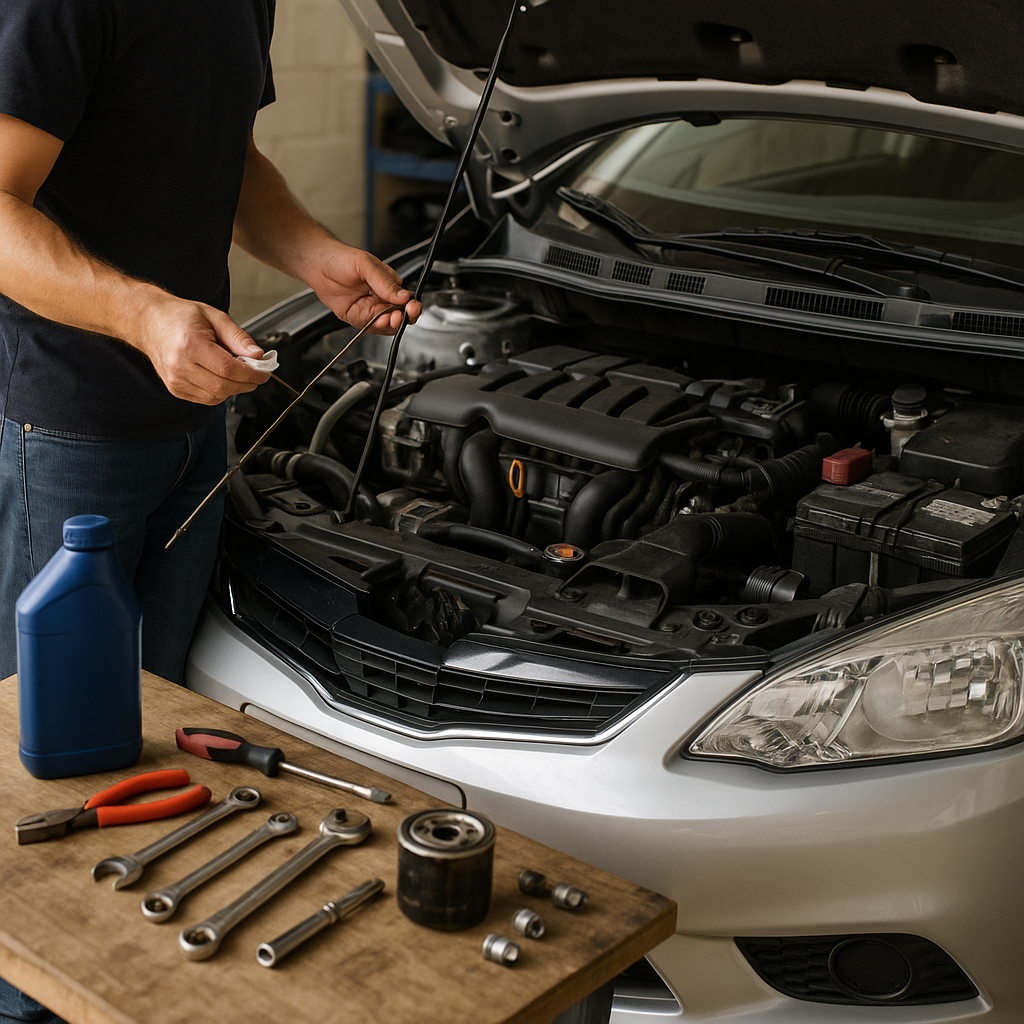
- Engine Oil: Ensure it's at the correct level and change it according to the manufacturer's schedule.
- Coolant: Inspect the coolant level to prevent overheating.
- Brake Fluid: Low brake fluid can compromise your braking system.
- Power Steering Fluid: Check this to ensure smooth steering.
- Windshield Washer Fluid: Keep this topped up for clear visibility.
2. Inspect Tyres
Tyres are your car's only contact with the road, making them crucial for safety and performance:
- Pressure: Check tyre pressure at least once a month, including the spare. Refer to your owner's manual for the correct PSI.
- Tread Depth: Ensure your tyres have sufficient tread depth for grip and safety.
- Visual Inspection: Look for any visible damage, such as cuts, bulges, or foreign objects lodged in the tread.
3. Examine Lights
Functioning lights are essential for safe driving:
- Headlights: Check both high and low beams to ensure they are working.
- Indicators: Test all turn signals and hazard lights.
- Brake Lights: Have someone assist you in checking these, or use a reflective surface to see if they illuminate.
4. Clean and Replace Wipers
Worn wiper blades can severely affect visibility:
- Inspection: Check for cracks or tears in the wiper blades.
- Replacement: Replace blades that are more than six months old or show signs of wear.
- Cleaning: Clean the blades regularly to remove dirt and debris.
5. Battery Check
A well-functioning battery is vital for starting your vehicle:
- Terminals: Inspect for corrosion and clean if necessary.
- Connections: Ensure all connections are tight and secure.
- Age: If your battery is over three years old, consider having it tested for performance.
6. Inspect Belts and Hoses
Belts and hoses are integral to your engine's function:
- Visual Inspection: Look for cracks, fraying, or signs of wear.
- Fluid Leaks: Check for any signs of leaks around hoses and connections.
- Replacement Schedule: Refer to your owner’s manual for replacement intervals.
7. Clean the Interior and Exterior
Keeping your car clean not only enhances its appearance but also protects its surfaces:
- Exterior Wash: Regularly wash and wax your car to protect the paint.
- Interior Vacuum: Remove debris and dirt from the seats and carpets.
- Dashboard Care: Use appropriate cleaners to keep the dashboard and controls dust-free.
Creating a Maintenance Checklist
To keep your monthly routine organised, create a maintenance checklist. You can use a simple template or a digital app to track your progress. Include the following:
- Date of inspection
- Tasks completed
- Any issues found
- Follow-up actions
When to Seek Professional Help
While many maintenance tasks can be done at home, there are times when professional assistance is required:
- Complex Repairs: If you encounter any issues you are unsure about, it's best to consult a professional mechanic.
- Service Intervals: Follow the manufacturer's recommended service schedule for comprehensive checks and maintenance.
- Warning Lights: If any warning lights appear on your dashboard, seek professional diagnosis immediately.
Conclusion
Building a practical monthly car maintenance routine is an investment in your vehicle's longevity and performance. By taking the time to perform these checks and tasks, you can ensure a safer driving experience and potentially save money on repairs in the future. Remember, consistency is key. Mark your calendar and make car maintenance a priority!