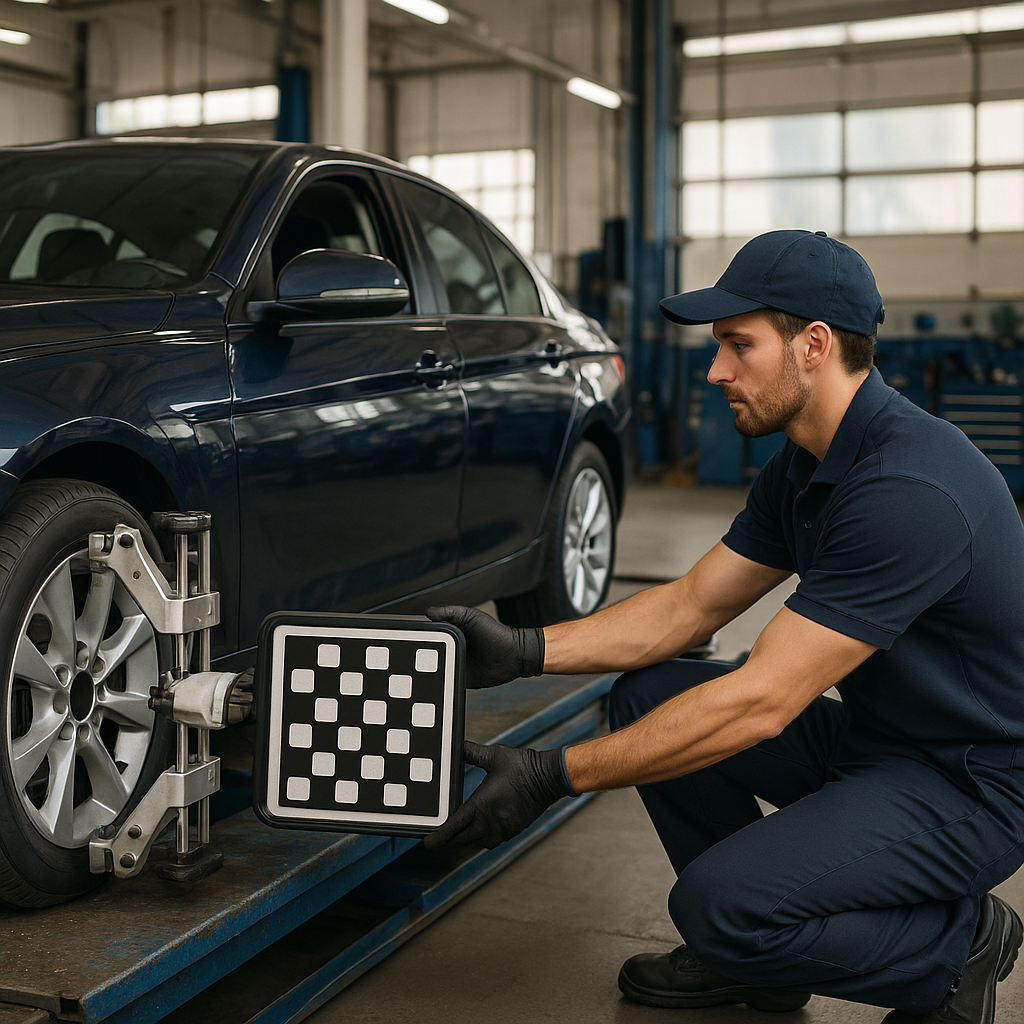
Understanding Wheel Alignment
Wheel alignment refers to the adjustment of a vehicle's suspension system, ensuring that the wheels are set to the correct angle in relation to the road and each other. Proper alignment is crucial for optimal vehicle performance, affecting handling, tyre wear, and safety.
Why Wheel Alignment Matters
When your wheels are misaligned, it can lead to a range of issues that not only compromise your vehicle's handling but also reduce the lifespan of your tyres. Misalignment can occur due to various factors, including hitting potholes, driving on uneven surfaces, or general wear and tear over time.
Impact on Handling
One of the most significant effects of poor wheel alignment is the impact on handling. When your wheels are not aligned correctly, you may experience:
- Pulling to one side while driving
- Difficulty steering straight
- Inconsistent braking performance
- Increased steering wheel vibration
These handling issues can make driving less enjoyable and more dangerous, especially at higher speeds or in adverse weather conditions. Proper alignment ensures that your vehicle responds predictably to steering input, providing a safer driving experience.
Effects on Tyre Life
Another critical aspect of wheel alignment is its impact on tyre life. Misaligned wheels can lead to uneven tyre wear, which can significantly shorten the lifespan of your tyres. Here’s how misalignment affects tyre wear:
- Camber Issues: If the top of your tyres leans in or out too much, it leads to uneven wear on the inner or outer edges.
- Toe Misalignment: When the front of the tyres points inward or outward, it can cause rapid wear across the tread surface.
- Thrust Angle Misalignment: This affects the rear wheels' alignment concerning the front wheels, leading to a zigzag wear pattern.
Continuously driving on misaligned tyres can result in having to replace them much sooner than expected, leading to increased costs and inconvenience.
Signs of Misalignment
Being aware of the signs of misalignment can help you address the issue before it leads to more significant problems. Watch for the following signs:
- Your vehicle pulls to one side
- The steering wheel is off-centre when driving straight
- Uneven or rapid tyre wear
- Excessive vibration in the steering wheel
If you notice any of these symptoms, it’s time to get your wheel alignment checked.
How to Check Wheel Alignment
Many garages offer wheel alignment services, and they typically use advanced equipment to measure and adjust the angles of your wheels. However, you can also perform a simple check yourself:
- Park your vehicle on a flat surface and ensure the steering wheel is centred.
- Look at the front tyres. The tread should be evenly worn and appear straight.
- Check the rear tyres from behind the vehicle. They should be parallel to the front wheels.
If you notice any discrepancies, consult a professional for a detailed alignment check.
Maintaining Proper Wheel Alignment
To ensure your wheels stay aligned, consider the following maintenance tips:
- Regularly check and maintain your tyre pressure. Incorrect pressure can lead to misalignment.
- Inspect your vehicle's suspension components for wear or damage.
- Avoid driving over potholes, curbs, and other road hazards that can knock your wheels out of alignment.
- Have your alignment checked every 6,000 miles or whenever you replace your tyres.
By maintaining proper wheel alignment, you can enhance your vehicle's handling and prolong the life of your tyres, saving you money in the long run.
Conclusion
Wheel alignment is a critical aspect of vehicle maintenance that impacts both handling and tyre life. Regular checks and adjustments can prevent uneven tyre wear and ensure your vehicle handles as it should. Don’t neglect this essential service; it pays off in safety, comfort, and cost savings.