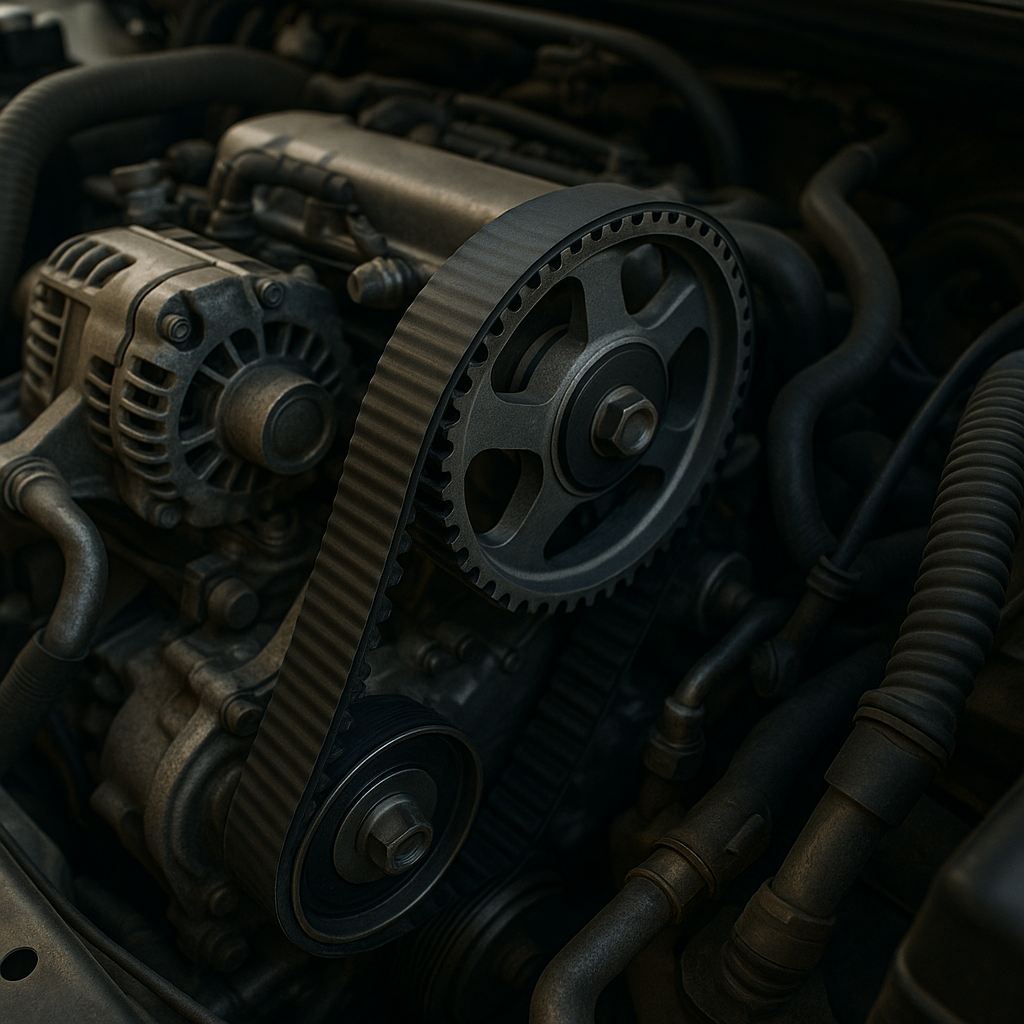
Understanding the Timing Belt
The timing belt is a crucial component of your vehicle's engine. It ensures that the engine's camshaft and crankshaft rotate in sync, allowing for proper engine function. A well-maintained timing belt can significantly extend the life of your engine, while a worn or broken belt can lead to catastrophic engine failure.
When Should You Replace Your Timing Belt?
Most manufacturers recommend replacing the timing belt between 60,000 and 100,000 miles, but this can vary depending on the make and model of your vehicle. It's essential to consult your owner’s manual for specific guidance.
Signs That Your Timing Belt Needs Replacement
There are several indicators that your timing belt might be nearing the end of its life. Keep an eye out for the following signs:
- Unusual engine noise: A ticking or slapping sound can indicate that the timing belt is worn.
- Engine misfires: If your engine is running roughly or misfiring, it could be due to a failing timing belt.
- Oil leaks: If you notice oil leaking from the front of your engine, it may be a sign of a worn timing belt seal.
- Check engine light: This warning light can indicate various issues, including problems with the timing belt.
Factors Influencing Timing Belt Lifespan
Several factors can affect how often you should replace your timing belt:
- Driving Conditions: Frequent short trips, stop-and-go traffic, and extreme temperatures can accelerate wear on the timing belt.
- Engine Type: Some engines are more demanding on timing belts than others, particularly high-performance engines.
- Quality of the Timing Belt: Using OEM (Original Equipment Manufacturer) parts can ensure better longevity compared to cheaper aftermarket options.
Consequences of Ignoring Timing Belt Replacement
Failing to replace a worn timing belt can lead to significant engine damage. If the belt breaks, it can cause the pistons and valves to collide, resulting in costly repairs that may exceed the value of the vehicle itself. Therefore, adhering to the recommended replacement schedule is critical.
How to Replace a Timing Belt
Replacing a timing belt is a complex task that often requires professional assistance. However, understanding the process can help you appreciate the importance of timely replacements:
- Preparation: Gather necessary tools and replacement parts, including the timing belt, tensioners, and possibly water pump.
- Engine Access: Remove components blocking access to the timing belt, such as the engine cover, pulleys, and sometimes the radiator.
- Timing Belt Removal: Carefully remove the old timing belt, noting the alignment marks for reinstallation.
- Installing the New Belt: Install the new timing belt, ensuring that all alignment marks are correctly positioned.
- Reassembly: Reassemble the components in the reverse order of removal and double-check all connections.
Cost of Timing Belt Replacement
The cost of replacing a timing belt can vary significantly based on the vehicle make and model, as well as the labour rates of your local garage. On average, you might expect to pay between £300 and £800. While it may seem like a significant expense, consider it a necessary investment in your vehicle's longevity.
Preventive Measures
To ensure the longevity of your timing belt, consider the following preventive measures:
- Regularly check the belt for signs of wear or damage.
- Follow the manufacturer's recommended maintenance schedule.
- Consider having the timing belt replaced alongside other maintenance tasks, such as a water pump replacement, to save on labour costs.
Conclusion
Understanding when to replace your timing belt is essential for maintaining your vehicle's health and performance. Regular checks and adherence to the manufacturer's guidelines can save you from unexpected repairs and prolong your engine's life. If you're uncertain about your timing belt's condition or replacement schedule, it's always wise to consult a qualified mechanic.