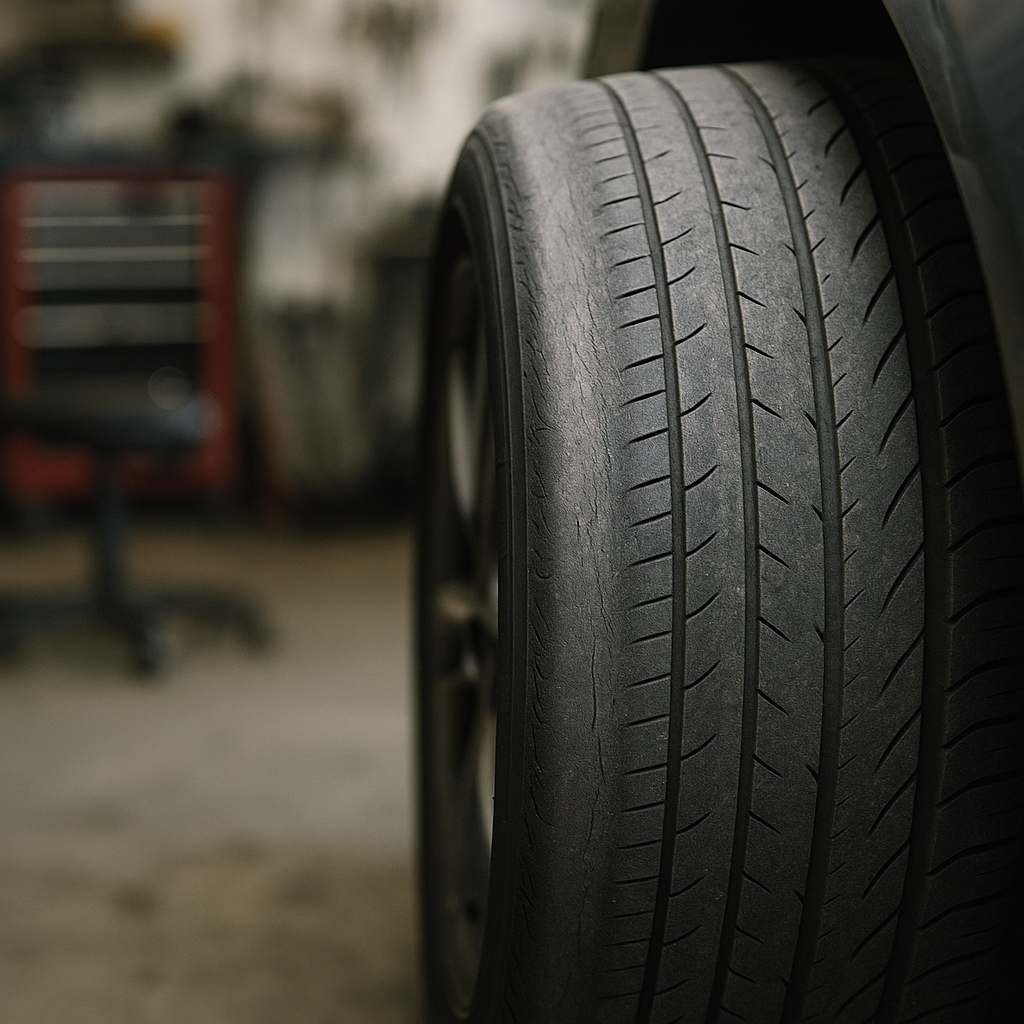
Understanding Uneven Tyre Wear
Tyres are one of the most critical components of your vehicle, directly affecting safety, handling, and fuel efficiency. However, uneven tyre wear can lead to a host of issues, including compromised safety and increased costs. Understanding what causes uneven tyre wear and how to fix it is essential for every car owner.
Common Causes of Uneven Tyre Wear
Uneven tyre wear can be attributed to several factors. Recognising these causes early can help you take corrective action before the problem escalates. Here are the most common reasons:
- Misalignment: If your wheels are not aligned properly, it can cause tyres to wear unevenly. This misalignment can occur due to hitting a pothole or a kerb.
- Improper Inflation: Both over-inflation and under-inflation can lead to uneven wear. Over-inflated tyres wear more in the centre, while under-inflated tyres wear on the edges.
- Worn Suspension Components: If your vehicle's suspension system is worn out, it can lead to uneven weight distribution across your tyres, causing them to wear unevenly.
- Driving Habits: Aggressive driving, such as hard braking and rapid acceleration, can contribute to uneven tyre wear.
- Tyre Quality: The quality of the tyre itself can also affect wear patterns. Poor-quality tyres may wear unevenly faster than higher-quality options.
Signs of Uneven Tyre Wear
Recognising the signs of uneven tyre wear is crucial for timely intervention. Look out for the following indicators:
- Worn Edges: If the outer edges of the tyre are more worn than the centre, it may indicate under-inflation.
- Centre Wear: If the centre of the tyre is worn more than the edges, it typically suggests over-inflation.
- Patchy Wear: Irregular patches of wear can signal alignment issues or suspension problems.
- Vibration: If you feel vibrations while driving, it may indicate uneven wear or balance issues.
- Noise: Unusual road noise can also be a sign of uneven tyre wear.
How to Fix Uneven Tyre Wear
Once you identify the cause of uneven tyre wear, taking corrective action is crucial. Here are some practical steps to fix the problem:
1. Check Wheel Alignment
One of the first steps to take is to have your wheel alignment checked. A professional can determine if your wheels are aligned correctly and make adjustments as needed. Regular alignment checks should be part of your vehicle's maintenance routine, especially after hitting a pothole or kerb.
2. Maintain Proper Tyre Pressure
Regularly check your tyre pressure, as both over-inflation and under-inflation can lead to uneven wear. Use a reliable tyre pressure gauge to ensure your tyres are inflated to the manufacturer’s recommended pressure, which can usually be found in the owner’s manual or on a sticker inside the driver’s door.
3. Inspect Suspension Components
Having your suspension system checked for wear and tear is essential. Worn shock absorbers, struts, or other suspension components can affect tyre wear. If any parts are found to be worn out, replace them promptly to ensure even tyre wear.
4. Adjust Driving Habits
Adopting smoother driving habits can also help reduce uneven tyre wear. Avoid aggressive driving behaviours, such as rapid acceleration, hard braking, and sharp turns. This not only helps your tyres last longer but can also improve fuel efficiency.
5. Rotate Your Tyres Regularly
Tyre rotation is a simple yet effective way to prevent uneven wear. By changing the position of your tyres regularly, you ensure that they wear evenly. Most manufacturers recommend rotating tyres every 5,000 to 8,000 miles, but always check your vehicle’s owner manual for specific guidance.
6. Invest in Quality Tyres
Finally, consider investing in high-quality tyres. While they may come at a higher upfront cost, quality tyres often last longer and wear more evenly, ultimately saving you money in the long run.
Conclusion
Uneven tyre wear can lead to a range of problems, from reduced safety to increased costs. By understanding the causes and taking proactive measures, you can ensure your tyres wear evenly and last longer. Regular maintenance, including alignment checks, proper inflation, and tyre rotation, is crucial for optimal performance and safety. Remember, your tyres are your vehicle’s only contact with the road, so taking care of them is paramount.