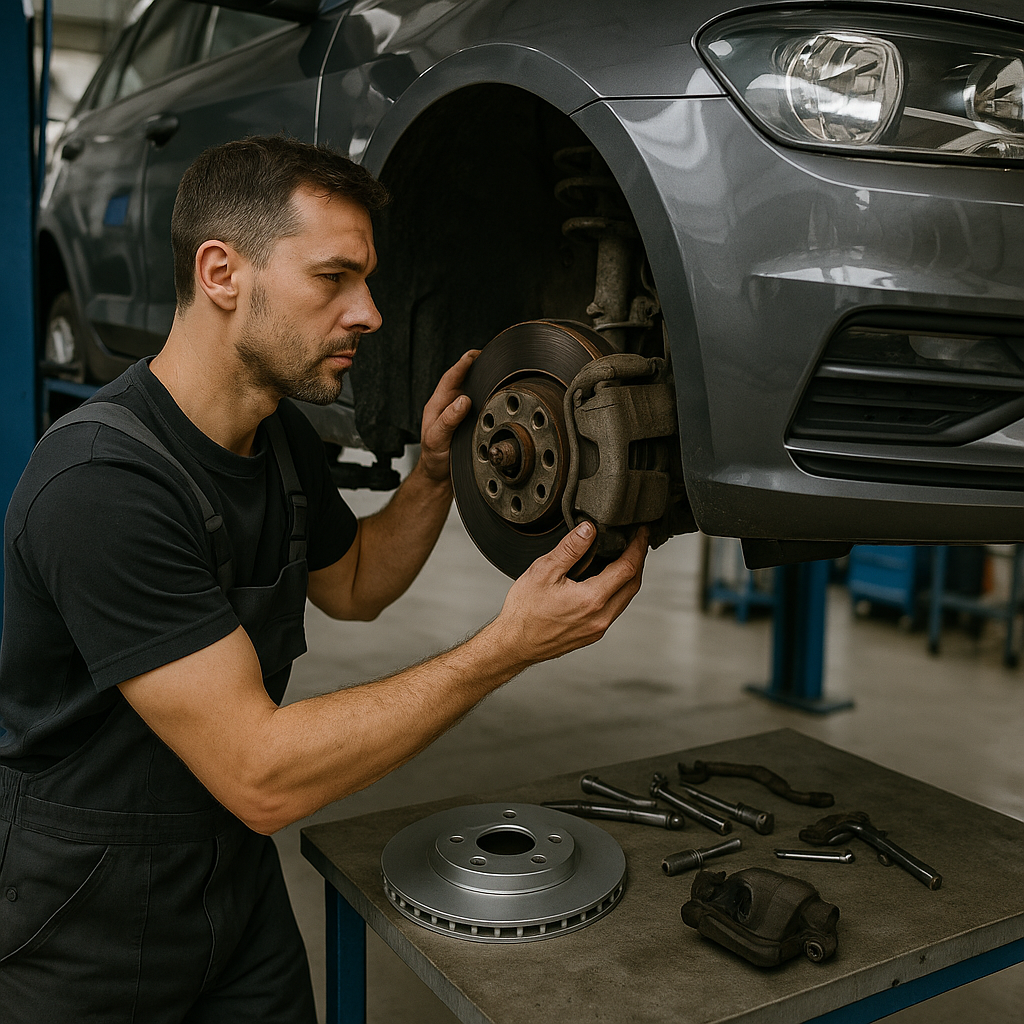
Understanding the Problem
If you've ever experienced your car pulling to one side during braking, you're not alone. This unsettling sensation can occur for various reasons, and it's crucial to address it promptly. Not only can it be a nuisance, but it can also compromise your safety on the road.
Common Causes of Pulling During Braking
When your vehicle pulls to one side while braking, several factors could be at play. Understanding these causes can help you identify the issue and take the necessary steps to resolve it. Here are some common reasons:
- Uneven Brake Pad Wear: If the brake pads on one side of your vehicle are more worn than those on the other, it can result in uneven braking force, causing the car to pull.
- Brake Caliper Issues: A sticking or malfunctioning brake caliper can cause one wheel to brake more effectively than the other, leading to a pull.
- Tyre Pressure Imbalance: Different tyre pressures between the left and right sides can affect handling during braking, resulting in a pull.
- Wheel Alignment Problems: Misalignment can cause your vehicle to pull to one side when braking, as the wheels are not pointing in the same direction.
- Suspension Issues: Worn or damaged suspension components can impact how weight is distributed during braking, leading to pulling.
- Brake Fluid Contamination: Contaminated brake fluid can cause inconsistent braking performance, which may lead to pulling.
Signs to Look Out For
In addition to the car pulling to one side, there are other signs that may indicate a braking issue. Being aware of these can help you catch problems early:
- Vibrations in the steering wheel when braking
- Unusual noises, such as squeaking or grinding
- Increased stopping distance
- Brake warning light illuminated on the dashboard
- Uneven wear on brake pads or tyres
What to Do If Your Car Pulls to One Side
Addressing the issue of your car pulling to one side when braking should be a priority. Here are steps you can take:
1. Inspect the Brake System
Start by checking your brake pads for even wear. If you notice significant differences, it may be time to replace the pads. Also, examine the brake calipers to ensure they are functioning correctly.
2. Check Tyre Pressures
Ensure that all tyres are inflated to the manufacturer's recommended pressure. An imbalance can significantly affect handling and braking performance.
3. Get a Wheel Alignment
If you suspect misalignment, take your vehicle to a professional for a wheel alignment check. This service can correct any issues and improve overall handling.
4. Inspect Suspension Components
Have your suspension system checked for any worn or damaged parts. Replacing these components can help restore proper balance during braking.
5. Change Brake Fluid
If you suspect that your brake fluid is contaminated, it’s essential to have it flushed and replaced. Clean brake fluid ensures optimal performance.
When to Seek Professional Help
While some issues can be addressed at home, others may require professional expertise. If you're unsure of the problem or lack the tools and knowledge to diagnose it, don’t hesitate to consult a qualified mechanic. It's better to be safe than sorry when it comes to vehicle safety.
Preventive Measures
To avoid future issues with your brakes, consider implementing these preventive measures:
- Regularly inspect and maintain your brake system.
- Monitor tyre pressure and tread wear.
- Schedule periodic wheel alignments.
- Keep an eye on suspension health.
- Flush and replace brake fluid as recommended by the manufacturer.
Conclusion
Experiencing your car pulling to one side when braking can be alarming, but understanding the potential causes and knowing what steps to take can help ensure your safety on the road. Regular maintenance and being proactive about any changes in your vehicle's performance are key to safe driving.