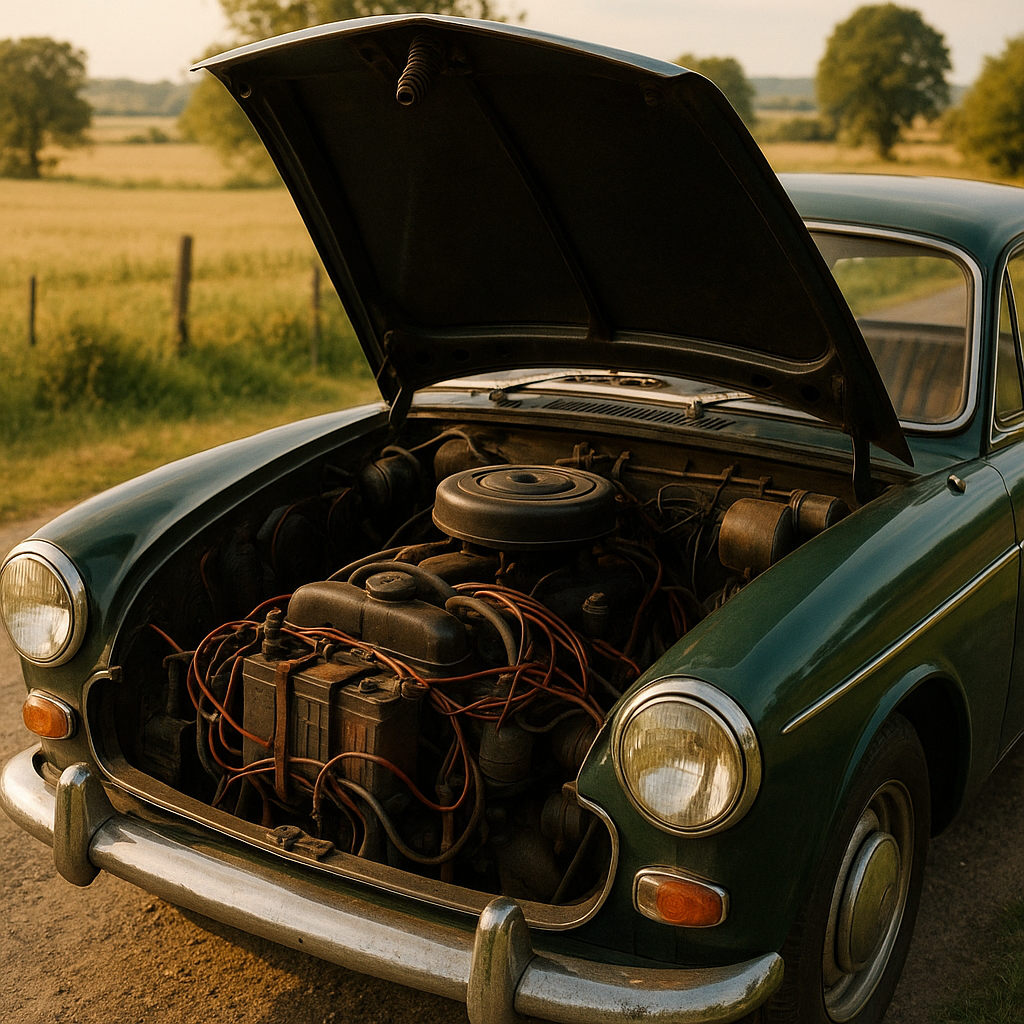
Introduction
Older vehicles, while often cherished for their character and simplicity, can present unique challenges when it comes to electrical faults. Understanding how to tackle these issues can save you time and money, and keep your classic car running smoothly. This guide will cover common electrical faults found in older vehicles, practical troubleshooting steps, and tips to prevent future issues.
Understanding Electrical Systems
Before diving into specific faults, it’s essential to understand the basic electrical system in older vehicles. Most older cars use a 12-volt system powered by a battery that supplies electricity to various components, including the starter motor, lights, and ignition system. Problems can arise from wear and tear, corrosion, or faulty components.
Common Electrical Faults
Here are some of the most common electrical faults you might encounter in an older vehicle:
- Dead Battery: A flat or dead battery is a frequent issue, often caused by age or lack of use.
- Corroded Connections: Corrosion on battery terminals and electrical connectors can disrupt the flow of electricity.
- Faulty Alternator: A failing alternator can lead to insufficient power generation, causing the battery to drain.
- Blown Fuses: Fuses protect electrical circuits; a blown fuse can indicate an underlying issue.
- Wiring Issues: Frayed or damaged wiring can lead to shorts or open circuits.
Troubleshooting Electrical Issues
When faced with an electrical fault, systematic troubleshooting is key. Here’s how to approach diagnosing the problem:
1. Check the Battery
Start by inspecting the battery. Look for signs of corrosion on the terminals and ensure that the connections are tight. If the battery is more than three to five years old, it might be worth testing it with a multimeter or taking it to a professional for a load test.
2. Inspect Fuses
Check the fuse box for any blown fuses. Replace any that are burnt out and observe if the issue persists. If a fuse blows repeatedly, it indicates a deeper electrical problem that needs addressing.
3. Examine Wiring and Connectors
Look for frayed wires, loose connections, or signs of wear. Pay special attention to areas where wires may rub against metal surfaces, as this can cause shorts. Repair or replace any damaged wiring as necessary.
4. Test the Alternator
To test the alternator, start the vehicle and use a multimeter to check the voltage at the battery terminals. A healthy alternator should produce between 13.8 and 14.4 volts. If the voltage is below this range, the alternator may need replacement.
5. Use a Wiring Diagram
Having a wiring diagram specific to your vehicle model can be invaluable. It helps identify the correct wiring paths and can assist in pinpointing issues more effectively.
Preventing Electrical Problems
While some electrical issues are unavoidable with age, many can be prevented with regular maintenance. Here are some tips:
- Regular Inspections: Schedule routine inspections of the electrical system, especially before long trips.
- Clean Connections: Periodically clean battery terminals and connections to prevent corrosion.
- Replace Old Components: If any components such as the battery or alternator are nearing the end of their lifespan, consider replacing them proactively.
- Use Quality Parts: When replacing parts, opt for high-quality components that are suitable for your vehicle.
- Protect Wiring: Use protective sheathing on wires that are exposed to wear and tear.
When to Seek Professional Help
While many electrical issues can be resolved with some DIY troubleshooting, there are times when professional help is necessary. If you encounter complex wiring issues, or if you’re uncomfortable working with electrical systems, it’s best to consult with a qualified mechanic. Additionally, if you suspect a significant underlying problem, such as a short circuit or a major component failure, seeking professional assistance is advisable.
Conclusion
Handling electrical faults in older vehicles can be challenging, but with the right knowledge and tools, many issues can be resolved independently. Regular maintenance, combined with a systematic approach to troubleshooting, will keep your classic car on the road and ensure that it remains a joy to drive. Embrace the quirks of your older vehicle, and don’t hesitate to reach out for professional help when needed.