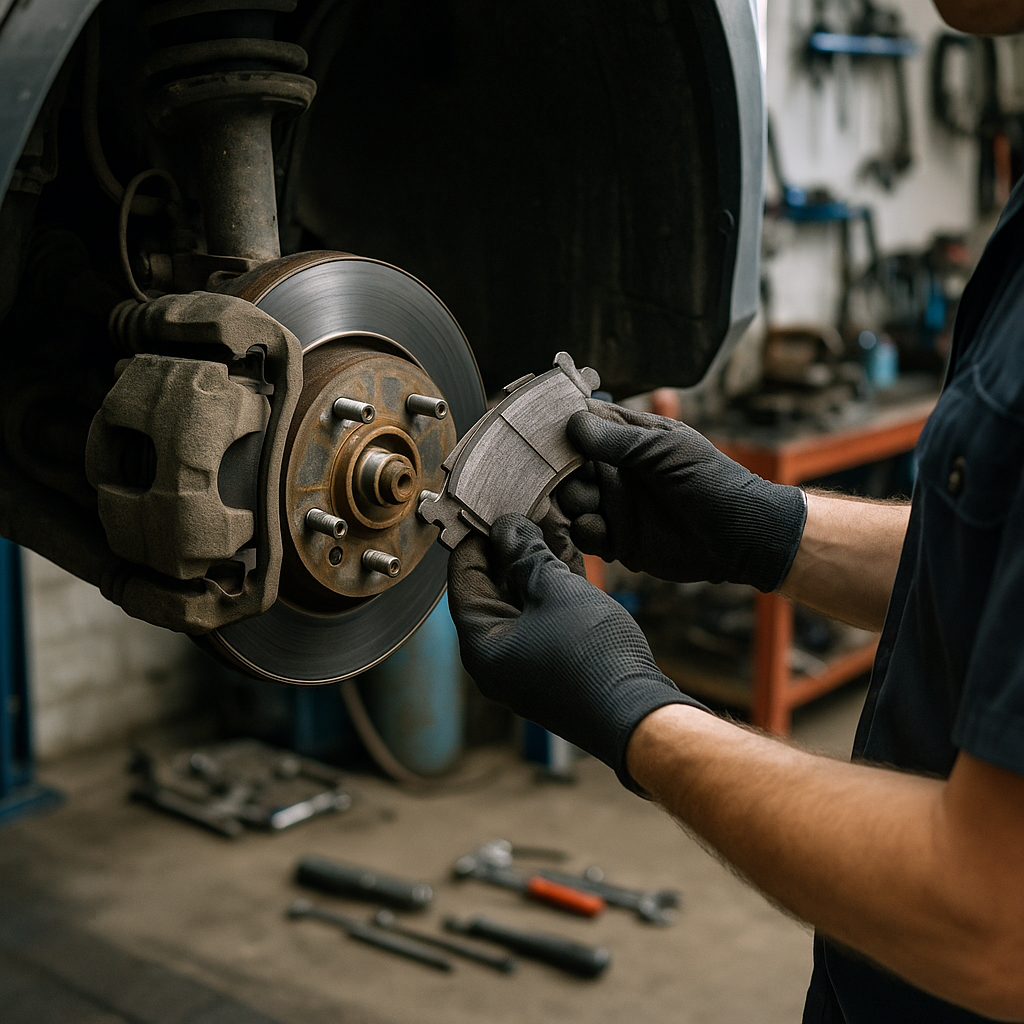
Understanding Brake Wear
Brakes are one of the most critical components of your vehicle, ensuring safety and control while driving. Regular maintenance is essential to keep them functioning optimally. However, brake wear can occur gradually, often going unnoticed until it becomes a costly issue. In this guide, we will explore how to identify early signs of brake wear, allowing you to take action before it leads to expensive repairs.
Common Signs of Brake Wear
There are several indicators that your brakes may be wearing down. Being aware of these signs can help you address issues early:
- Squeaking or squealing noises: If you hear high-pitched noises when applying the brakes, it can indicate that the brake pads are wearing thin.
- Grinding sounds: A grinding noise typically suggests that the brake pads are worn down to the metal, which can damage the rotors.
- Vibration or pulsation: If you feel vibrations in the brake pedal when stopping, it could mean that the brake rotors are warped.
- Reduced responsiveness: If your brakes feel less responsive than usual, it may be time to have them checked.
- Warning lights: Some vehicles are equipped with warning lights that illuminate when brake wear is detected.
Visual Inspection
Conducting a visual inspection of your brakes is a straightforward way to identify potential wear. Here’s how to do it:
1. **Jack Up Your Vehicle:** Ensure your car is on a level surface and securely lift it using a jack. Always use jack stands for safety.
2. **Remove the Wheel:** Take off the wheel to gain access to the brake components.
3. **Inspect the Brake Pads:** Look at the thickness of the brake pads. A pad that is less than 3mm thick should be replaced.
4. **Check for Cracks or Damage:** Examine the brake pads for any visible cracks or damage. If you notice any, it’s time for a replacement.
5. **Look at the Rotors:** The brake rotors should have a smooth surface. Any scoring or grooves may indicate they need resurfacing or replacing.
Listen for Unusual Noises
As mentioned earlier, sounds can be a key indicator of brake wear. When driving, pay attention to any unusual sounds when applying the brakes. If you hear squeaking, grinding, or any other abnormal noises, it’s crucial to have your brakes inspected by a professional.
Monitor Your Driving Habits
Your driving style can significantly impact the wear and tear on your brakes. Here are some habits to adopt to prolong the life of your brakes:
- Avoid Sudden Stops: Try to anticipate traffic conditions and brake gradually rather than slamming on the brakes.
- Use Engine Braking: When approaching a stop, downshift and use engine braking to reduce speed.
- Limit Heavy Loads: Carrying excessive weight can put additional strain on your brakes, leading to quicker wear.
- Regularly Check Your Tyres: Properly inflated tyres can help improve braking performance and reduce wear.
Regular Maintenance Checks
In addition to visual inspections, it’s essential to have your brakes checked regularly as part of your vehicle’s maintenance schedule. Most manufacturers recommend having your brakes inspected every 12,000 miles or once a year, but this can vary based on your driving habits and conditions.
During a professional inspection, a mechanic will check not only the brake pads but also the rotors, callipers, and brake fluid. This comprehensive check can help catch issues before they escalate.
Know When to Seek Professional Help
If you notice any of the signs mentioned above or if you’re unsure about the condition of your brakes, don’t hesitate to seek professional help. Brake systems can be complex, and it’s always better to err on the side of caution. A qualified mechanic can provide a thorough inspection and recommend the necessary repairs or replacements.
Understanding the Costs
Addressing brake wear early can save you a significant amount of money in the long run. Here’s a rough breakdown of potential costs:
- Brake Pad Replacement: £100 - £300 per axle.
- Rotor Resurfacing: £50 - £100 per rotor.
- Complete Brake System Replacement: £500 - £1,200 depending on the vehicle.
By staying proactive and addressing brake wear early, you can avoid the high costs associated with extensive brake repairs.
Final Thoughts
Your brakes are a vital safety feature of your vehicle. By keeping an eye out for early signs of brake wear and conducting regular inspections, you can ensure your brakes remain in good working condition. Remember, it’s always better to address potential issues before they become expensive repairs. Stay vigilant, drive safely, and keep your vehicle in top shape.