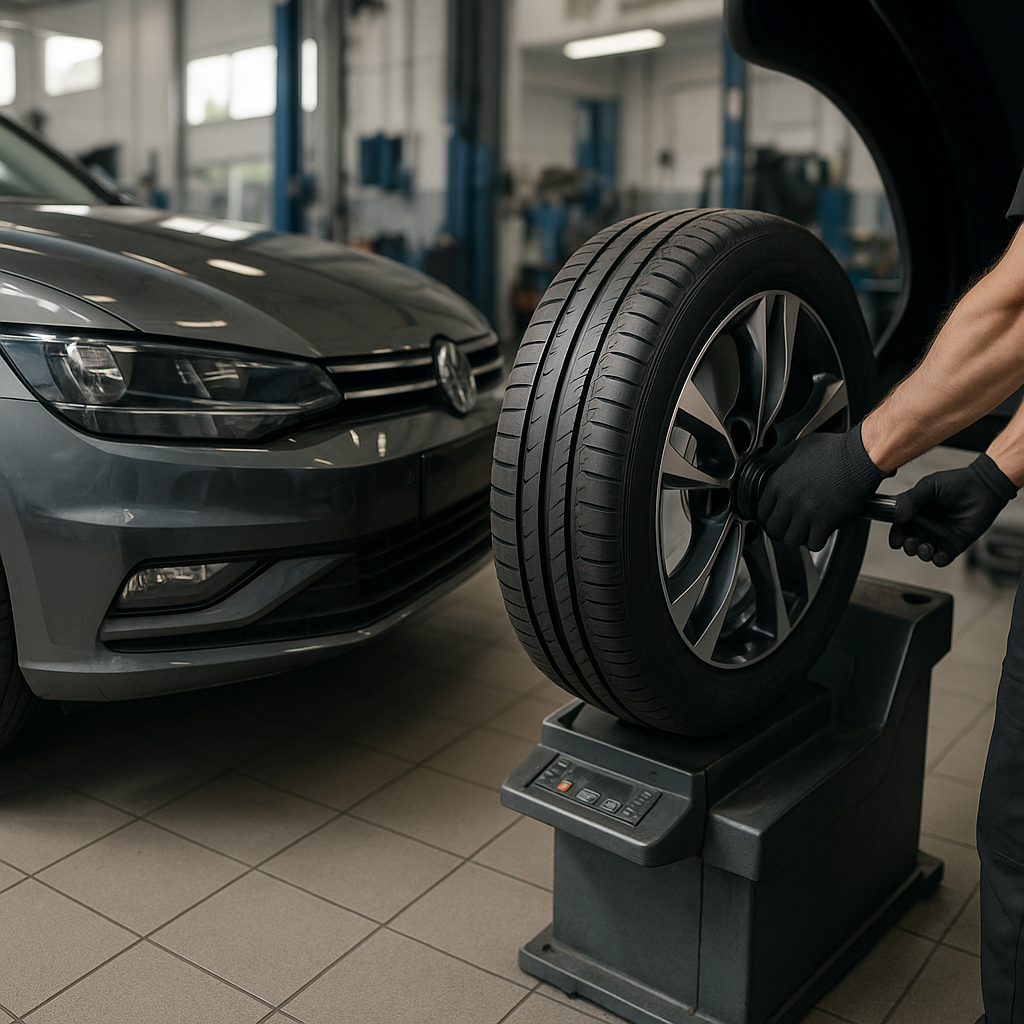
Understanding Wheel Balancing
Wheel balancing is a crucial aspect of vehicle maintenance that ensures your wheels rotate evenly. When your wheels are properly balanced, the weight is distributed equally around the wheel and tyre assembly, resulting in a smoother and safer driving experience. However, poor wheel balancing can lead to a range of issues that can affect your vehicle's performance and safety.
The Importance of Proper Wheel Balancing
Proper wheel balancing is essential for several reasons:
- Enhanced Safety: Balanced wheels provide better control and handling, reducing the risk of accidents.
- Improved Tyre Longevity: Balanced wheels prevent uneven tyre wear, extending the life of your tyres.
- Increased Fuel Efficiency: Properly balanced wheels can improve fuel economy by reducing rolling resistance.
- Smoother Ride: Balanced wheels contribute to a more comfortable driving experience by minimising vibrations.
Signs of Poor Wheel Balancing
Recognising the signs of poor wheel balancing is vital for maintaining your vehicle's performance. Here are some common symptoms to look out for:
- Vibrations: If you feel vibrations in the steering wheel or throughout the vehicle, especially at higher speeds, it may indicate that your wheels are out of balance.
- Uneven Tyre Wear: Inspect your tyres regularly. If you notice uneven wear patterns, it could be a sign of poor wheel balancing.
- Steering Wheel Pull: A steering wheel that pulls to one side can also suggest that your wheels are not balanced properly.
- Noise: Excessive noise while driving, especially at certain speeds, may be linked to imbalance issues.
How Poor Wheel Balancing Affects Your Drive
When your wheels are not balanced correctly, it can lead to various negative effects on your driving experience:
1. Increased Vibration
One of the most noticeable effects of poor wheel balancing is vibration. This can be felt through the steering wheel and even the seat of your vehicle. The vibrations can become more pronounced at higher speeds, making your drive uncomfortable and distracting.
2. Decreased Control
Balanced wheels contribute to better vehicle control. When your wheels are out of balance, the handling of your vehicle can suffer. You may find it more challenging to steer, especially when cornering or making sudden manoeuvres.
3. Uneven Tyre Wear
Poor wheel balancing often leads to uneven tyre wear. This occurs because the imbalance causes certain areas of the tyre to bear more weight than others. As a result, you may need to replace your tyres sooner than expected, leading to increased maintenance costs.
4. Reduced Fuel Efficiency
When your wheels are out of balance, your vehicle has to work harder to maintain speed. This extra strain can lead to decreased fuel efficiency, meaning you’ll spend more money on fuel over time. Keeping your wheels balanced can help improve your vehicle's economy.
5. Increased Strain on Suspension Components
Imbalanced wheels can put additional stress on your vehicle's suspension system. Over time, this can lead to premature wear of components such as shocks, struts, and bushings. Replacing these parts can be costly and inconvenient.
How to Maintain Proper Wheel Balance
Maintaining proper wheel balance is relatively straightforward. Here are some practical tips to ensure your wheels stay balanced:
- Regular Inspections: Have your wheels balanced whenever you get new tyres, or every 5,000 to 7,500 miles, or as recommended by your vehicle manufacturer.
- Watch for Signs: Pay attention to any signs of imbalance, such as vibrations or uneven tyre wear, and address them promptly.
- Professional Balancing: Always seek professional help for wheel balancing. Technicians use specialised equipment to ensure precision.
- Check Alignment: Ensure your wheel alignment is also checked, as misalignment can affect wheel balance.
Conclusion
In summary, poor wheel balancing can significantly affect your driving experience, from causing vibrations and decreased control to increasing tyre wear and reducing fuel efficiency. Regular maintenance and prompt attention to signs of imbalance are essential for keeping your vehicle safe and enjoyable to drive. By ensuring your wheels are properly balanced, you can enhance your safety, improve fuel economy, and prolong the life of your tyres.