Introduction
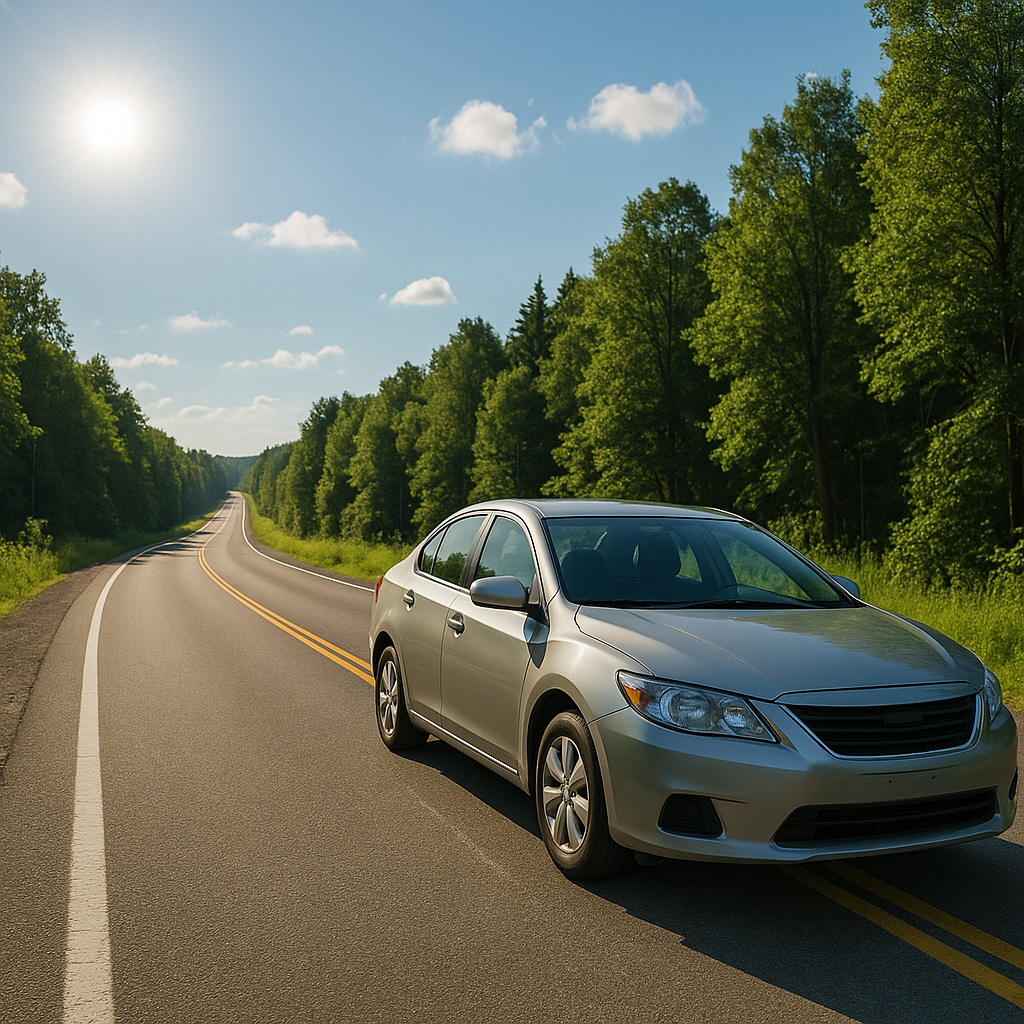
Planning a long road trip can be an exciting adventure, but it’s crucial to ensure your vehicle is in top condition before hitting the open road. A little preparation can go a long way in preventing breakdowns and ensuring a safe journey. Here are some simple checks you should perform before embarking on your trip.
1. Check Your Fluids
Fluids play a vital role in your vehicle's performance. Before your trip, check the following:
- Engine Oil: Ensure it’s at the proper level and change it if it’s due.
- Coolant: Check the coolant level and top up if necessary to avoid overheating.
- Brake Fluid: Ensure the brake fluid is within the recommended range.
- Transmission Fluid: Check for proper levels and colour; it should be clear and not burnt.
- Windscreen Washer Fluid: Fill up to ensure clear visibility.
2. Inspect Your Tyres
Your tyres are your only contact with the road, making their condition critical. Before you leave:
- Check the tyre pressure, including the spare, against the manufacturer's recommendations.
- Inspect the tread depth to ensure adequate grip, especially if you’re driving in wet conditions.
- Look for any signs of wear or damage, such as cracks or bulges.
3. Test Your Lights
Proper visibility is essential for safe driving, particularly at night or during adverse weather conditions. Make sure to:
- Test all headlights, tail lights, and indicators.
- Check brake lights by having someone press the brake pedal while you observe from behind.
4. Examine the Battery
A flat battery can ruin your trip before it even starts. To avoid this:
- Check the battery terminals for corrosion and ensure they are securely attached.
- Test the battery charge, especially if it’s older than three years.
5. Review Your Brakes
Brakes are one of the most critical safety components of your vehicle. Check for:
- Any unusual noises when braking, such as squeaking or grinding.
- Brake pads and discs for wear.
- The responsiveness of the brake pedal.
6. Functionality of Wipers and Washers
Clear visibility is paramount. Ensure your wipers are in good condition and that your washer fluid is topped up. If your wipers leave streaks or are worn, replace them before your trip.
7. Emergency Kit
It’s wise to be prepared for unexpected situations. An emergency kit should include:
- First-aid supplies
- Jumper cables
- A torch with extra batteries
- A basic tool kit
- A reflective triangle and high-visibility vest
- Some bottled water and snacks
8. Navigation and Entertainment
Long drives can be monotonous, so ensure you have a reliable navigation system that is updated. Additionally, consider downloading some music or podcasts to keep everyone entertained during the journey.
9. Plan Your Route
Before you set off, plan your route and check for any roadworks or closures that may affect your journey. Having a backup route can also save you time if detours are necessary.
10. Confirm Accommodation
If your trip involves overnight stays, confirm your accommodation ahead of time to avoid any last-minute stress.
Conclusion
By taking these simple checks into account, you can ensure a smoother and safer road trip. Remember, preparation is key when it comes to long-distance travel. Enjoy your journey and drive safely!