Introduction
Your car's dashboard is equipped with a variety of warning lights, each designed to alert you to potential issues. Understanding what these lights mean is crucial for maintaining your vehicle's health and ensuring your safety on the road. In this blog post, we'll decode the most common dashboard warning lights and provide practical steps for what to do when they illuminate.
Common Dashboard Warning Lights
Dashboard warning lights can be grouped into several categories, including engine, brakes, battery, and more. Below, we outline some of the most frequently encountered warning lights:
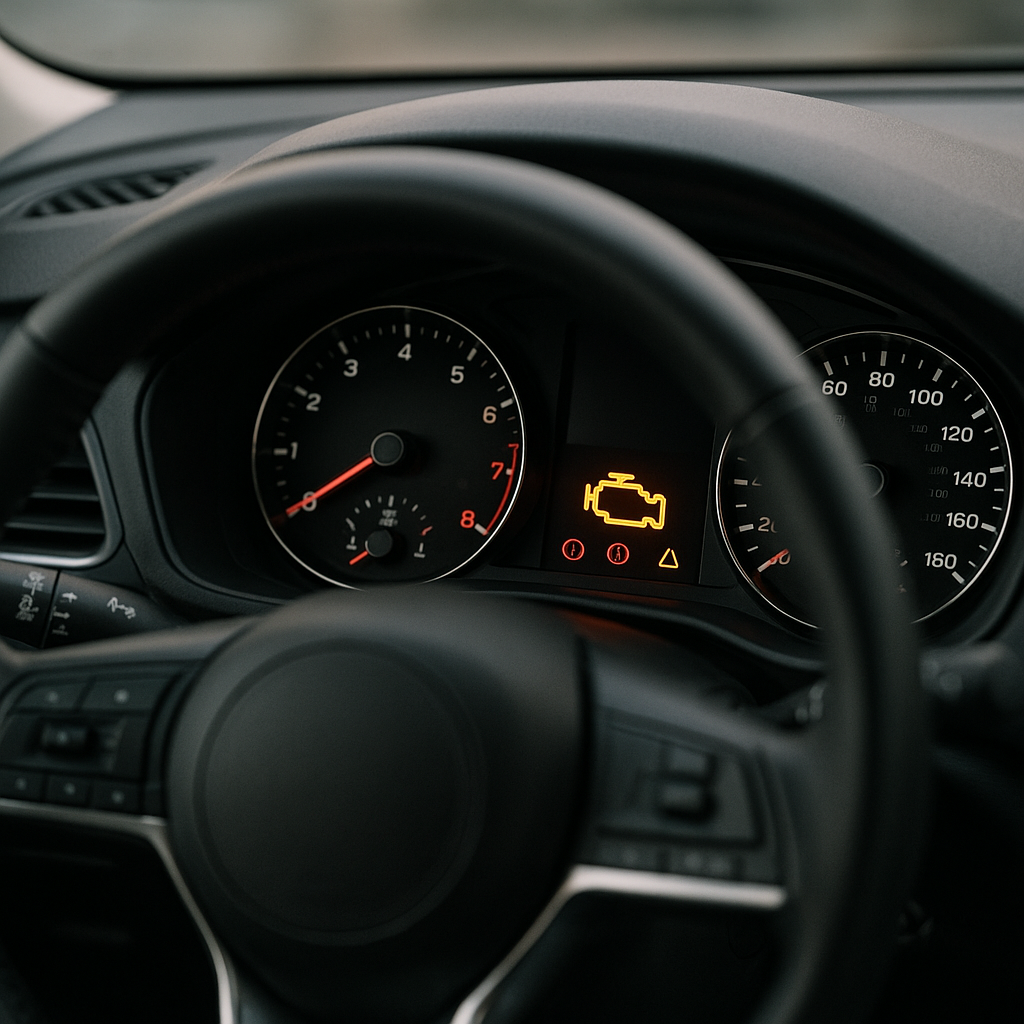
- Check Engine Light: Indicates a problem with the engine or emissions system.
- Oil Pressure Warning: Signals low oil pressure, which could lead to engine damage.
- Battery Warning: Suggests an issue with the vehicle's charging system.
- Brake Warning Light: Can indicate low brake fluid, worn brake pads, or an ABS issue.
- Tire Pressure Monitoring System (TPMS): Alerts you to low tire pressure.
- Temperature Warning Light: Indicates the engine is overheating.
What to Do When a Warning Light Illuminates
When a warning light appears on your dashboard, it's essential to take the situation seriously. Here’s a step-by-step guide on how to respond:
1. Assess the Warning Light
First, determine which warning light is illuminated. Refer to your vehicle's owner manual if you’re unsure. Understanding the severity of the warning will guide your next steps.
2. Pull Over Safely
If a critical warning light, such as the engine or temperature warning light, comes on while you're driving, find a safe place to pull over. Continuing to drive could exacerbate the issue and lead to costly repairs.
3. Turn Off the Engine
Once you have stopped, turn off the engine. This can help prevent further damage to the vehicle. Give the engine a moment to cool down if it has been overheating.
4. Investigate the Issue
After the engine has cooled, check for any obvious signs of trouble:
- Look for fluid leaks under the vehicle.
- Check the oil level using the dipstick.
- Inspect the battery terminals for corrosion.
- Examine the tires for visible damage or low pressure.
5. Restart the Engine
After you’ve conducted a visual inspection, restart the engine. If the warning light remains on, it’s time to take action.
6. Contact a Mechanic
If the warning light stays illuminated or if you notice any abnormal sounds or behaviours from your vehicle, contact a qualified mechanic. It’s best to address potential issues before they escalate.
Specific Warning Lights and Their Meanings
Let’s delve deeper into some specific dashboard warning lights and what they mean:
Check Engine Light
The check engine light can signify a range of issues, from a loose fuel cap to a more serious engine malfunction. If this light appears, it’s advisable to have a diagnostic test performed to pinpoint the exact cause.
Oil Pressure Warning
When this light illuminates, it usually means that your engine is not receiving sufficient lubrication. Stop driving immediately and check your oil levels. If they are low, add oil and monitor for leaks. If the light remains on, seek professional assistance.
Battery Warning
This light indicates a problem with the vehicle's electrical system or battery charging. Check the battery terminals for corrosion and ensure they are tightly connected. If the problem persists, the battery or alternator may need replacement.
Brake Warning Light
If this light comes on, it could mean low brake fluid or an issue with the braking system. Check the brake fluid level and top it up if necessary. If the light remains illuminated, have your brakes examined by a professional.
Tire Pressure Monitoring System (TPMS)
This light indicates that one or more of your tires may be under-inflated. Check the tire pressures and inflate them to the recommended levels. If the light does not turn off after correcting the tire pressure, seek assistance.
Temperature Warning Light
If this light illuminates, it means your engine is overheating. Check the coolant level and look for leaks. Allow the engine to cool before opening the radiator cap. If the coolant is low, top it up and monitor for further issues.
Preventative Measures
Understanding your dashboard warning lights is just one part of vehicle maintenance. Here are some preventative measures to help keep your car in good condition:
- Regularly check fluid levels (oil, coolant, brake fluid).
- Maintain tire pressure and tread depth.
- Schedule routine maintenance with a trusted mechanic.
- Stay informed about your vehicle's specific needs and requirements.
- Keep an eye on the age and condition of your battery.
Conclusion
Dashboard warning lights are your car's way of communicating potential problems. By understanding what these lights mean and knowing how to respond, you can prevent minor issues from becoming major repairs. Always prioritise safety and seek professional help when needed. Regular maintenance and vigilance will ensure your vehicle remains in peak condition for years to come.