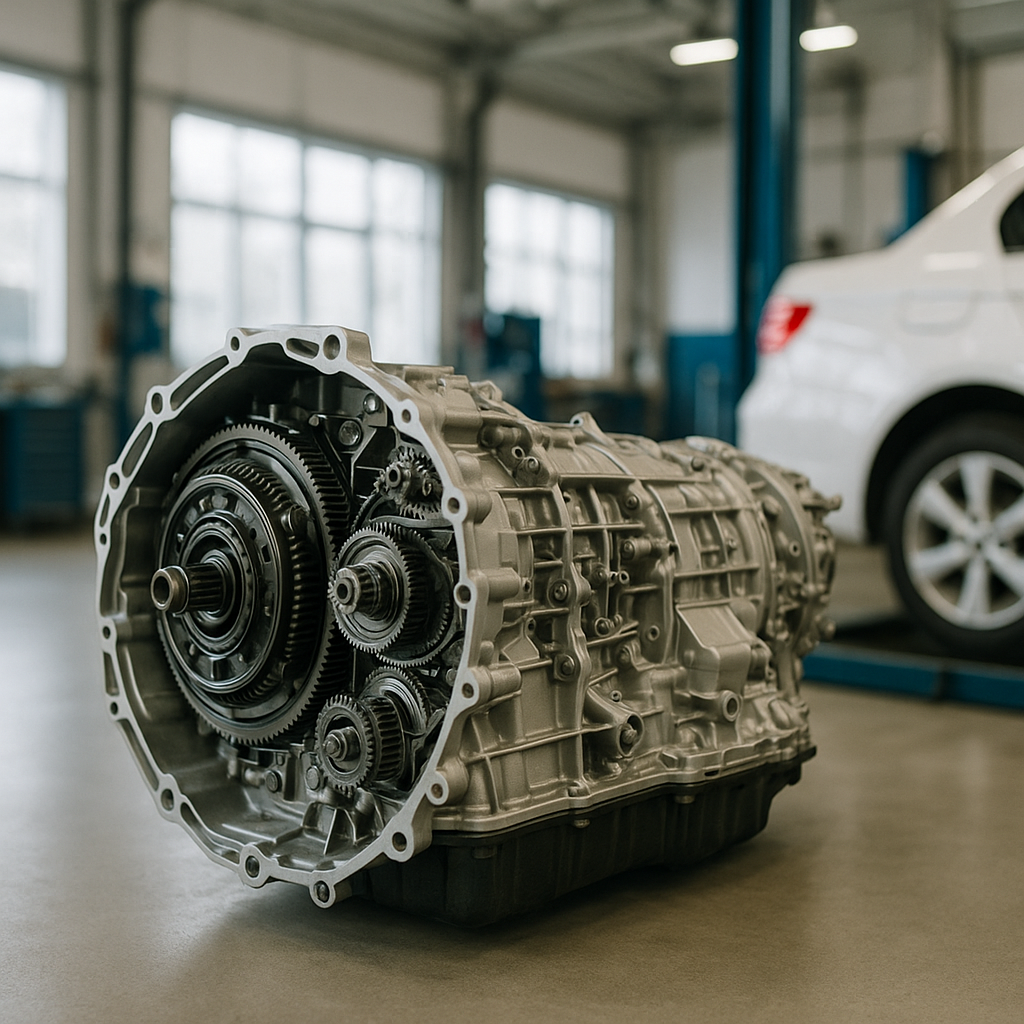
How To Reduce Wear On Your Automatic Transmission
Automatic transmissions are designed to provide a smooth driving experience, but they can be susceptible to wear and tear if not properly maintained. In the UK, with our diverse weather conditions and road types, understanding how to care for your automatic transmission can prolong its life and improve your vehicle's performance.
Your car's automatic transmission is a complex system that relies on various components, including gears, clutches, and hydraulic systems. Regular maintenance not only helps in keeping your vehicle roadworthy, especially during the annual MOT (Ministry of Transport) test, but also mitigates costly repairs down the line.
Signs of Transmission Wear
It's essential to be aware of the symptoms that indicate your automatic transmission might be experiencing wear. Look out for:
- Delayed shifting or hesitation when changing gears
- Strange noises like grinding, whining, or clunking
- Fluid leaks under your vehicle, which can be red or brown in colour
- Warning lights on your dashboard, particularly the check engine light
- Unusual smells, such as burning or a sweet odour from the transmission fluid
Practical Actions to Reduce Wear
Here are some practical steps you can take this week to minimise wear on your automatic transmission:
- Check Transmission Fluid Levels: Regularly check your transmission fluid level using the dipstick. Low fluid levels can lead to overheating and increased wear. Refer to your owner's handbook for the correct procedure and fluid type.
- Change Transmission Fluid: Follow the manufacturer's recommended schedule for changing your transmission fluid. Typically, this is every 30,000 to 60,000 miles, but it can vary. Fresh fluid provides better lubrication and cooling.
- Avoid Overheating: Excessive heat can damage your transmission. Avoid heavy towing unless your vehicle is rated for it, and try not to let your engine run at high RPMs for extended periods.
- Use the Correct Driving Techniques: When driving, avoid sudden starts and stops. Gradual acceleration and deceleration can help reduce strain on the transmission.
- Regularly Inspect Transmission Components: Have your transmission inspected during regular service intervals. Look for signs of wear in hoses, seals, and gaskets.
Seasonal Considerations
The UK's weather can significantly affect your vehicle's performance. In winter, the cold can thicken transmission fluid, potentially leading to sluggish gear changes. Ensure your transmission fluid is suitable for lower temperatures. In summer, overheating can be a concern. Consider installing a transmission cooler if you often drive in hot conditions or engage in heavy towing.
MOT and Roadworthiness
During the MOT, your vehicle's transmission will be assessed as part of its overall roadworthiness. A well-maintained automatic transmission not only ensures compliance with safety standards but can also save you money on repairs and insurance premiums. A major failure could lead to a costly replacement, so proactive maintenance is key.
When to Book a Mechanic
If you notice any of the signs of wear mentioned earlier, it’s advisable to book an appointment with a qualified mechanic. Additionally, consider visiting a professional if:
- You experience frequent slipping or difficulty in shifting gears
- You notice a significant drop in fuel efficiency
- Your vehicle struggles to accelerate, especially from a stop
Costs for transmission repairs can vary widely, depending on the issue. Simple fluid changes may cost between £50 to £150, while more extensive repairs or replacements can range from £1,000 to £3,000 or more, depending on the make and model of your car. Always ask for an estimate before proceeding with any work.
Conclusion
Taking proactive steps to maintain your automatic transmission can significantly extend its lifespan and enhance your driving experience. By keeping an eye on fluid levels, changing the fluid regularly, and adopting good driving habits, you can prevent costly repairs and ensure your vehicle remains in top condition.
UK ownership context
Use your owner's handbook and service schedule as the starting point, then adapt the timing to UK stop-start traffic, colder months and the mileage your car actually covers.
For many drivers, the most useful benchmark is not a generic internet interval but the manufacturer schedule, recent MOT advisories and the pattern of local driving the vehicle sees each week.
Useful next steps with Motoryst
Use the tools below to turn this advice into a practical next step.
- Store and organise your service history
- Run a vehicle history check before buying
- Compare warranty cover options
- Estimate current vehicle value
Useful UK references
- DVSA and GOV.UK guidance on MOT preparation
- Check previous MOT advisories and failures
- Use the vehicle owner's handbook and manufacturer service schedule for model-specific intervals, fluids and warning-light guidance.