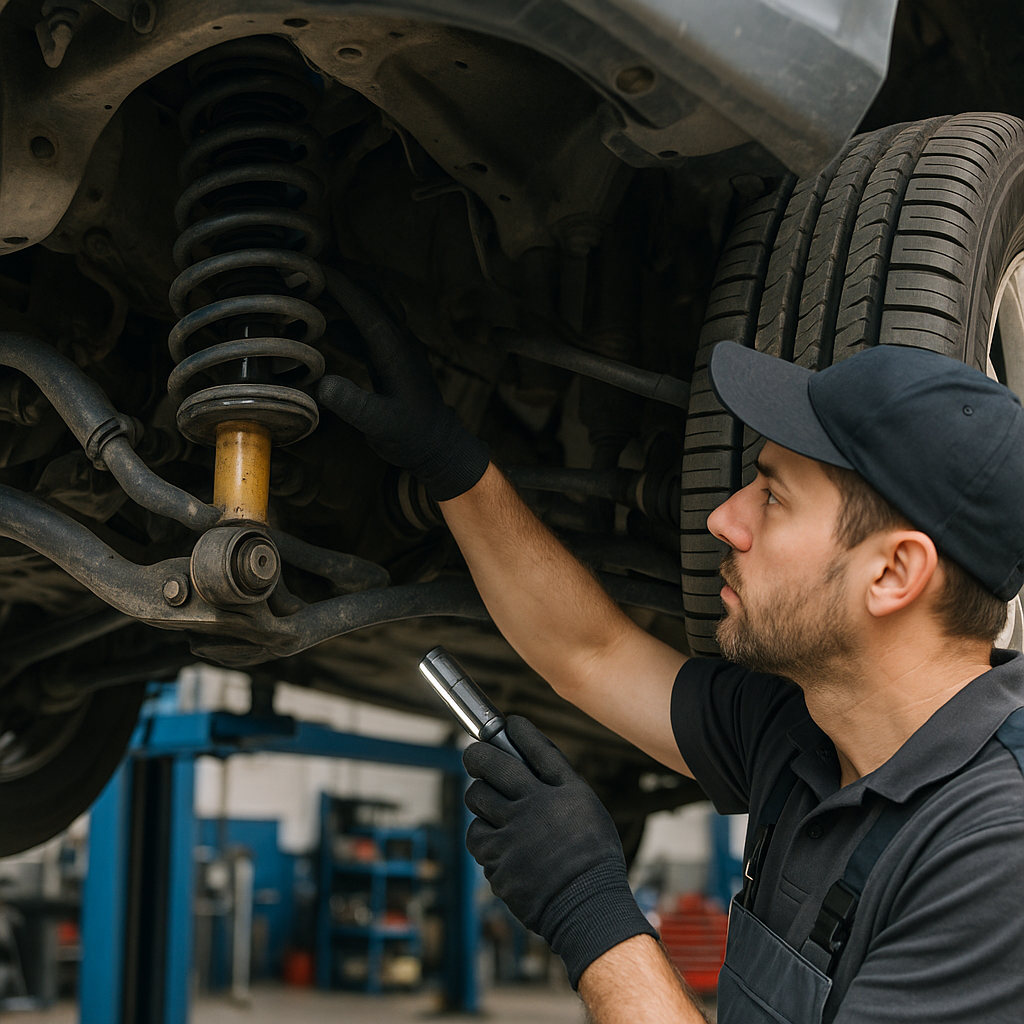
Understanding Your Car's Suspension System
Your car's suspension system plays a crucial role in ensuring a smooth ride and maintaining vehicle control. It consists of various components, including shock absorbers, springs, and struts, which work together to absorb bumps and maintain tyre contact with the road. Recognising suspension issues early can save you from costly repairs and improve your vehicle's safety.
Common Signs of Suspension Problems
Being aware of the early warning signs of suspension problems can help you address issues before they escalate. Here are some common indicators to watch for:
- Uneven tyre wear: If you notice that your tyres are wearing unevenly, it could be a sign of suspension misalignment.
- Excessive bouncing: If your car bounces excessively after hitting a bump, it may indicate worn shock absorbers.
- Pulling to one side: A vehicle that pulls to one side while driving could have suspension issues affecting alignment.
- Noisy ride: Unusual noises, such as clunking or rattling, can indicate loose or damaged suspension components.
- Steering problems: Difficulty steering or a loose steering wheel can be caused by suspension issues.
How to Inspect Your Suspension
Regular inspections of your suspension system can help you catch issues early. Here are some practical steps to inspect your suspension:
Visual Inspection
Start with a visual inspection of the suspension components. Look for any signs of wear, such as:
- Cracked or leaking shock absorbers
- Broken springs
- Worn bushings or ball joints
- Corrosion on metal components
Ensure that all suspension parts are securely attached and that there are no visible damages.
Check for Bounce
A simple bounce test can help assess the condition of your shock absorbers. Push down on the front or rear of the vehicle, then release it. The car should return to its original position without excessive bouncing. If it continues to bounce, it may be time to replace the shocks.
Tyre Inspection
Examine your tyres for uneven wear patterns. If you notice that one side is more worn than the other, it could indicate a suspension issue. Additionally, ensure that your tyres are properly inflated, as incorrect pressure can affect suspension performance.
When to Seek Professional Help
If you notice any of the signs mentioned earlier or if your inspection reveals potential issues, it’s essential to consult a professional mechanic. Here are some situations where professional help is necessary:
- You hear persistent noises from the suspension area.
- Your vehicle's handling feels off or unstable.
- You notice fluid leaks near the shock absorbers.
- There is a significant drop in ride height on one side of the vehicle.
- You experience difficulty with steering or alignment.
Regular Maintenance for a Healthy Suspension
To keep your suspension system in good condition, regular maintenance is key. Here are some tips to consider:
- Regular Inspections: Have your suspension inspected by a professional during routine servicing, especially if you drive on rough roads.
- Maintain Proper Tyre Pressure: Check your tyre pressure regularly to ensure even wear and optimal performance.
- Rotate Tyres: Rotate your tyres every 5,000 to 8,000 miles to promote even wear.
- Stay Informed: Pay attention to any changes in your vehicle's handling and performance, and address them promptly.
Conclusion
Recognising suspension issues early can prevent more significant problems down the line, ensuring a safer and more comfortable driving experience. By being vigilant for warning signs and conducting regular inspections, you can maintain your vehicle's suspension system effectively. If you have any concerns, don't hesitate to seek the advice of a qualified mechanic. A well-maintained suspension system not only enhances your vehicle's performance but also contributes to your safety on the road.