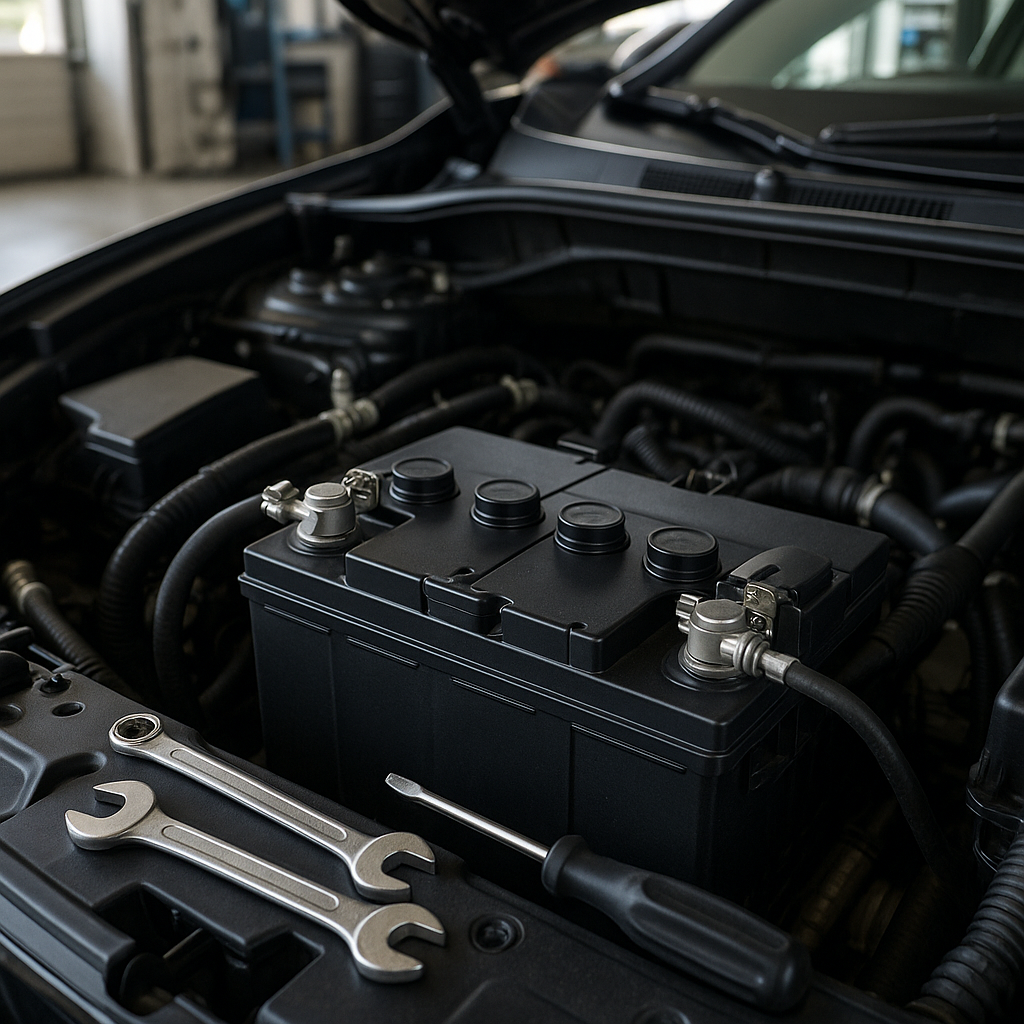
Understanding Battery Drain
In today's modern cars, battery drain can be a frustrating issue for drivers. With the increasing reliance on electronic systems and technology, understanding the causes of battery drain is crucial for maintaining your vehicle's performance and reliability.
1. Parasitic Draw
One of the leading causes of battery drain is parasitic draw. This occurs when electrical components continue to consume power even when the vehicle is turned off. Common culprits include:
- Interior lights
- Trunk lights
- Aftermarket devices (e.g., alarms or GPS trackers)
- Faulty wiring or connections
To identify parasitic draw, you can use a multimeter to measure the current flow when the car is off. If the reading is significantly higher than normal, you may need to inspect your vehicle's electrical system.
2. Short Trips
Regularly taking short trips can prevent your car's battery from fully charging. Modern vehicles rely on the alternator to recharge the battery, but if the engine runs for only a few minutes, it may not generate enough power to replenish the battery. Over time, this can lead to a drained battery.
To combat this, try to combine errands into longer drives when possible. This allows the alternator to work effectively and ensures your battery remains healthy.
3. Extreme Temperatures
Extreme weather conditions can significantly impact battery performance. Cold temperatures can cause the battery's chemical reactions to slow down, resulting in reduced capacity. On the other hand, excessive heat can lead to overcharging and battery damage.
To protect your battery from temperature extremes, consider parking in a garage or shaded area when possible. Additionally, check your battery regularly, especially before winter and summer seasons.
4. Age and Wear
Like all car components, batteries have a lifespan. Most modern car batteries last between three to five years, depending on usage and maintenance. Over time, batteries can lose their ability to hold a charge, leading to frequent drain issues.
To extend your battery's life, perform regular maintenance checks and replace it as needed. If your battery is nearing the end of its lifespan, consider getting it tested at a local garage.
5. Faulty Alternator
The alternator plays a crucial role in charging the battery while the vehicle is running. If the alternator is malfunctioning, it may not provide sufficient power to recharge the battery, leading to a slow drain. Signs of a failing alternator include dimming headlights, unusual noises, and warning lights on the dashboard.
If you suspect alternator issues, have it inspected by a professional mechanic to ensure your car's electrical system functions correctly.
6. Leaving Accessories On
Modern vehicles come equipped with numerous electronic accessories, such as infotainment systems, heated seats, and climate control. Leaving these systems on when the engine is off can quickly drain the battery.
Always double-check that all accessories are turned off before leaving your vehicle. Some cars have a feature that automatically turns off lights and systems after a set period, but it’s best to develop the habit of checking manually.
7. Battery Corrosion
Corrosion on battery terminals can impede the flow of electricity, leading to poor performance and potential drain. This corrosion often appears as a white, powdery substance around the battery terminals.
To prevent corrosion, regularly clean the terminals with a mixture of baking soda and water. Ensure the battery is disconnected before cleaning to avoid any electrical issues.
8. Electrical System Issues
Sometimes, the root cause of battery drain lies within the vehicle's electrical system. Faulty wiring, damaged fuses, or malfunctioning components can create short circuits that continuously draw power from the battery.
If you experience unexplained battery drain, it may be worthwhile to have a professional inspect your vehicle's electrical system. They can identify and rectify any issues that may be causing the problem.
9. Leaving the Car Idle
Leaving your car idle for extended periods can lead to battery drain, particularly if the vehicle's electrical systems are still active. While modern cars are designed to handle idling, prolonged inactivity can still affect the battery's health.
If you know you won’t be using your vehicle for a while, consider disconnecting the battery or using a battery maintainer to keep it charged.
10. Using Incompatible Accessories
Using aftermarket accessories that are not compatible with your vehicle can lead to battery drain. These accessories may draw more power than the battery can provide or interfere with the car's electrical system.
Always ensure that any additional components you install are compatible with your vehicle. Consult your owner’s manual or a professional if in doubt.
Conclusion
Understanding the top causes of battery drain in modern cars is essential for preventing unexpected breakdowns and ensuring your vehicle remains reliable. By being proactive and addressing these issues, you can prolong your battery's life and enjoy a smoother driving experience. Regular maintenance and awareness of your vehicle's electrical systems will go a long way in keeping your battery healthy.