Introduction
Your car is equipped with a variety of dashboard warning lights that play a crucial role in vehicle safety and maintenance. Understanding these lights can help you prevent serious issues and costly repairs. In this blog post, we will explore the most common dashboard warning lights, what they mean, and the steps you should take when they illuminate.
Common Dashboard Warning Lights
Dashboard warning lights can vary by make and model, but many symbols are standard across vehicles. Here are some of the most common warning lights you might encounter:
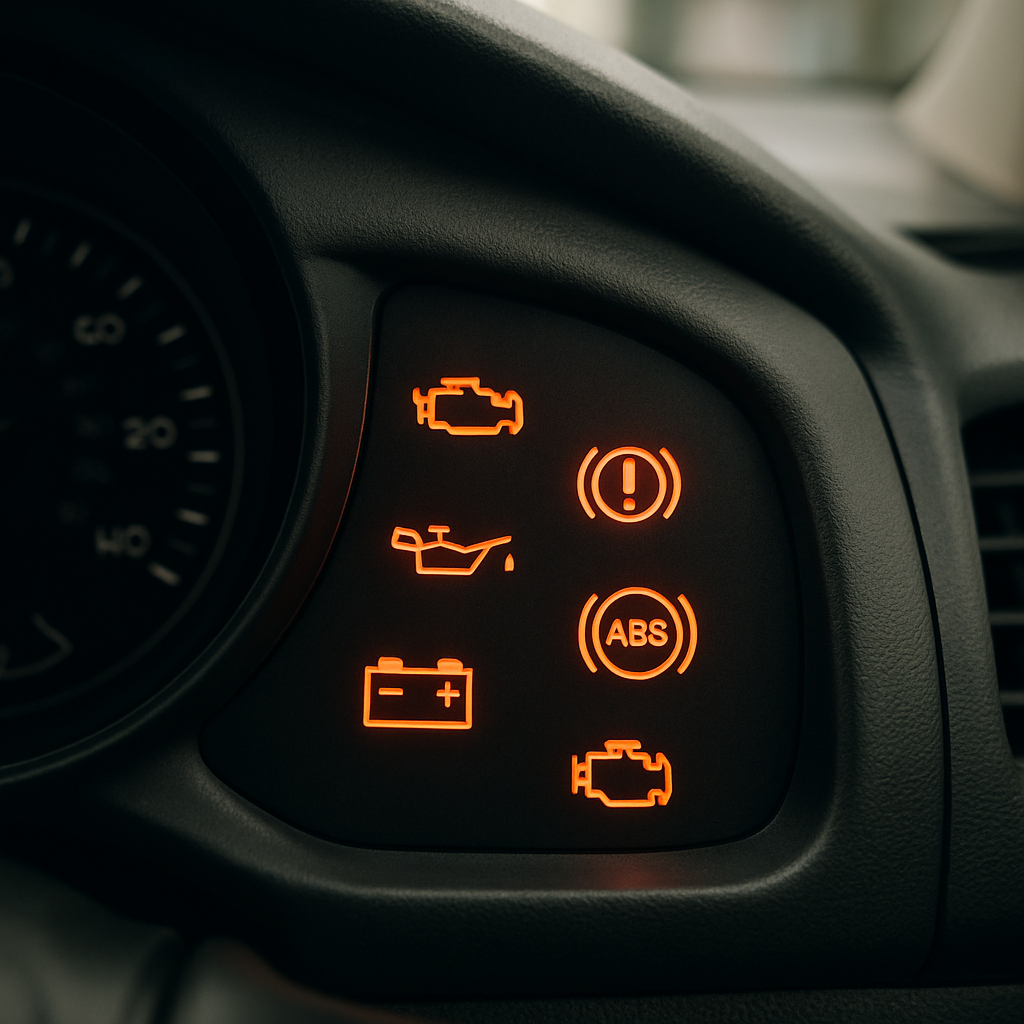
- Engine Warning Light: This light indicates a potential problem with the engine or emissions system. It could be something as minor as a loose fuel cap or as serious as engine failure.
- Oil Pressure Warning Light: This light signifies that your engine oil pressure is low. Driving with low oil pressure can lead to engine damage, so you should stop the vehicle and check the oil level immediately.
- Battery Warning Light: This indicates an issue with the vehicle's battery or charging system. If this light comes on, you should check the battery connections and consider visiting a mechanic.
- Brake Warning Light: This light can mean several things, including low brake fluid or an issue with the brake system. It’s essential to address this immediately, as it could affect your vehicle's stopping ability.
- Tyre Pressure Monitoring System (TPMS) Light: This light indicates that one or more of your tyres are under-inflated. Proper tyre pressure is crucial for safety and fuel efficiency, so check the pressures as soon as possible.
What to Do When a Warning Light Illuminates
When you see a warning light on your dashboard, it’s important to take the appropriate steps. Here’s a practical guide:
1. Stay Calm
It’s easy to panic when a warning light comes on. However, staying calm will help you assess the situation more effectively.
2. Refer to Your Owner’s Manual
Your vehicle’s owner’s manual contains detailed information about each warning light and the steps to take. Familiarise yourself with these details to better understand the warning lights in your specific model.
3. Assess the Situation
If the warning light is accompanied by unusual sounds or changes in vehicle performance, pull over safely and assess the situation. For example, if the engine warning light is on and you hear knocking sounds, it could indicate a serious issue.
4. Check Fluid Levels
For warning lights related to oil, coolant, or brake fluid, check the levels immediately. If they are low, top them up if you have the knowledge and tools to do so safely. If you’re unsure, call for assistance.
5. Take Action
Depending on the warning light, you may need to take further action:
- If the engine warning light is on, consider visiting a mechanic to diagnose the issue.
- If the oil pressure light is illuminated, stop the vehicle and check the oil level.
- If the brake warning light is on, do not drive the vehicle until the issue is resolved.
- If the TPMS light is on, check your tyre pressures and inflate them as necessary.
When to Seek Professional Help
Some warning lights require immediate professional attention, while others can be addressed with simple checks. Here are some guidelines:
1. Persistent Warning Lights
If a warning light remains illuminated after you’ve addressed the potential issue, seek professional help. For instance, if the engine light stays on after checking the oil and coolant levels, it’s time for a diagnostic check.
2. Unfamiliar Symbols
If you encounter a warning light you don’t recognise, consult your owner’s manual. If you’re still unsure, it’s best to consult a mechanic to avoid potential damage.
3. Multiple Warning Lights
If several warning lights come on at once, it’s often indicative of a more systemic issue. This scenario warrants immediate professional evaluation.
Preventative Measures
While dashboard warning lights are designed to alert you to problems, regular maintenance can help prevent these issues from occurring in the first place. Here are some preventative measures:
- Schedule regular servicing according to your manufacturer’s recommendations.
- Check fluid levels regularly, including oil, brake fluid, coolant, and windscreen washer fluid.
- Monitor tyre pressures and tread depth to ensure optimal safety and efficiency.
- Stay aware of any unusual vehicle behaviour and address it promptly.
Conclusion
Understanding dashboard warning lights is essential for maintaining your vehicle’s health and ensuring your safety on the road. By staying calm, referring to your owner’s manual, and taking appropriate action, you can effectively manage any warning lights that may appear. Regular maintenance and awareness of your vehicle's performance will help you avoid unnecessary repairs and keep your car running smoothly.