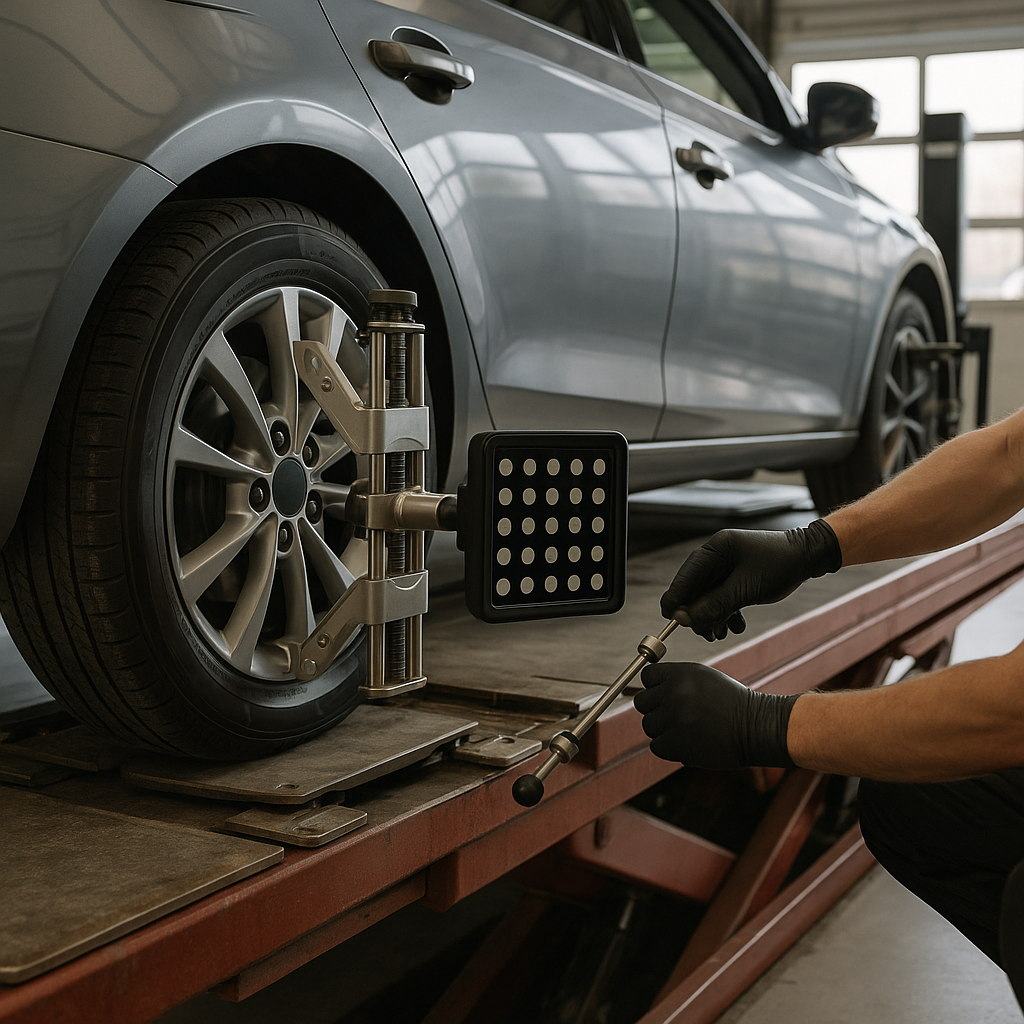
How Wheel Alignment Impacts Handling And Tyre Life
Wheel alignment refers to the adjustment of a vehicle's suspension, aligning the wheels to the manufacturer's specifications. Proper alignment ensures that the wheels are positioned correctly relative to each other and the road. This is crucial not only for handling but also for maximising tyre life.
The Impact on Handling
When your wheels are misaligned, it can lead to several handling issues that affect your driving experience:
- Uneven Steering: A misaligned vehicle may pull to one side, making it difficult to steer straight.
- Increased Steering Response: You might notice a twitchy or overly sensitive steering feel, which can be unsettling.
- Reduced Stability: Poor alignment can compromise your vehicle's stability, especially during cornering.
These issues can make driving less enjoyable and can compromise safety, particularly in adverse weather conditions.
How Wheel Alignment Affects Tyre Life
Tyres are a significant investment for any vehicle owner, and proper alignment is key to ensuring they wear evenly. Misalignment can lead to:
- Uneven Tyre Wear: Tyres may wear more on one side than the other, leading to premature replacement.
- Increased Rolling Resistance: Poor alignment can increase friction, making your engine work harder and reducing fuel efficiency.
- Shortened Lifespan: Misaligned wheels can lead to a significant reduction in the overall lifespan of your tyres.
Regular checks can save you money in the long run by extending the life of your tyres and improving fuel economy.
UK Context: MOT and Roadworthiness
In the UK, wheel alignment is not a formal part of the MOT test. However, improper alignment can lead to issues that may affect your vehicle's roadworthiness, such as uneven tyre wear or compromised handling. It’s advisable to have your alignment checked during regular service intervals or when you notice any symptoms of misalignment.
Practical Checks You Can Make This Week
Here are some practical steps you can take to assess your vehicle's alignment:
- Visual Inspection: Look for uneven tyre wear patterns on all four tyres. If one side is significantly more worn, it may indicate misalignment.
- Steering Wheel Position: Ensure your steering wheel is centred when driving straight. If it’s off to one side, this could be a sign of misalignment.
- Handling Test: Drive on a straight, flat road and see if your vehicle pulls to one side. If it does, it’s time to consider an alignment check.
These checks should take you no more than 30 minutes and could save you money on future repairs.
When to Book a Mechanic
If you notice any of the symptoms mentioned above, it’s essential to book a mechanic as soon as possible. Here are specific signs that indicate you need professional help:
- Your car pulls to one side, even on flat roads.
- The steering wheel is not centred while driving straight.
- You experience vibrations or unusual noises when driving.
Most garages offer wheel alignment services, and the cost can vary depending on the vehicle and location. Generally, you can expect to pay between £30 and £100 for a four-wheel alignment. Factors affecting the cost include the type of vehicle, the garage's location, and whether any additional adjustments or repairs are required.
Conclusion
Maintaining proper wheel alignment is essential for both handling and tyre longevity. Regular checks can help you identify issues early, ensuring a smoother driving experience and potentially saving you money on tyre replacements. Don’t wait for problems to arise; take proactive steps to keep your vehicle aligned and roadworthy.
UK ownership context
If this issue affects visibility, braking, tyres, emissions or warning lights, treat it as a roadworthiness item and sort it before an MOT or any longer journey.
For many drivers, the most useful benchmark is not a generic internet interval but the manufacturer schedule, recent MOT advisories and the pattern of local driving the vehicle sees each week.
Useful next steps with Motoryst
Use the tools below to turn this advice into a practical next step.
- Check compliance and road-use related details
- Store and organise your service history
- Run a vehicle history check before buying
- Compare warranty cover options
Useful UK references
- DVSA and GOV.UK guidance on MOT preparation
- Check previous MOT advisories and failures
- Use the vehicle owner's handbook and manufacturer service schedule for model-specific intervals, fluids and warning-light guidance.