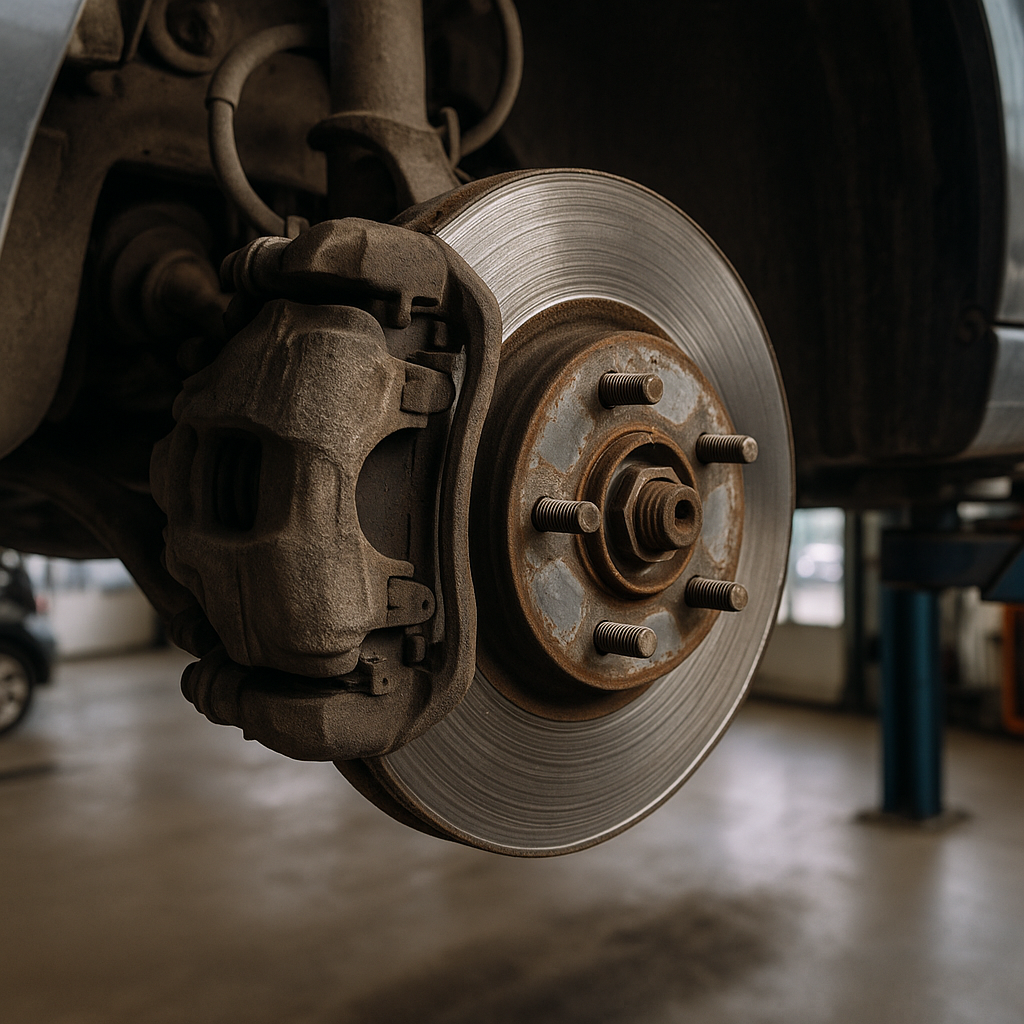
Understanding Brake Wear
Brakes are one of the most critical components of your vehicle, ensuring safety by allowing you to stop effectively. Over time, brake pads and discs can wear down, leading to decreased performance and potentially costly repairs. Spotting early signs of brake wear can save you money and keep your vehicle safe on the road.
Signs of Brake Wear
Being proactive about brake maintenance is essential. Here are some common signs that may indicate your brakes are wearing out:
- Squeaking or Squealing Sounds: If you hear a high-pitched noise when applying the brakes, it could be a sign that your brake pads are worn down.
- Grinding Noise: A grinding sound often indicates that the brake pads have worn down to the metal, which can damage the brake discs.
- Vibration or Pulsation: If you feel a vibration in the steering wheel or brake pedal when braking, it may suggest uneven wear on the brake discs.
- Warning Lights: Many modern vehicles have dashboard warning lights that indicate brake issues. Pay attention to these alerts.
- Reduced Performance: If your car takes longer to stop or feels less responsive when braking, it’s time to have your brakes checked.
Visual Inspections
Conducting regular visual inspections of your brakes can help you catch issues early. Here’s how to do it:
- Check Brake Pads: Look through the wheel spokes to see the brake pads. If they appear thin (less than 3mm), it's time for a replacement.
- Inspect Brake Discs: Look for scoring or grooves on the brake discs. Any visible damage can affect braking performance.
- Examine Brake Lines: Check for any leaks or cracks in the brake lines, which can lead to brake failure.
Listening to Your Brakes
Your brakes often communicate their condition through sound. Be attentive to any unusual noises when you apply the brakes:
If you hear a squeaking noise, it might indicate that the brake pads are wearing thin. If the noise persists, it’s crucial to have them checked. A grinding noise is more severe, as it means the brake pads may have worn down completely, risking damage to the brake disc.
Monitoring Brake Feel
Pay attention to how your brakes feel while driving. If you notice:
- Soft or Spongy Brake Pedal: This could indicate air in the brake lines or a fluid leak.
- Hard Brake Pedal: A hard pedal may suggest a malfunctioning brake booster.
Any change in brake feel should prompt an immediate inspection. Don’t ignore these signs, as they could lead to brake failure.
Regular Maintenance
One of the best ways to avoid expensive brake repairs is through regular maintenance. Here are some tips:
- Regular Inspections: Schedule brake inspections during routine maintenance services. Mechanics can identify issues before they escalate.
- Fluid Checks: Ensure that your brake fluid is at the appropriate level and replace it according to your vehicle’s maintenance schedule.
- Replacement Schedule: Know when to replace your brake pads and discs. Typically, brake pads should be replaced every 25,000 to 70,000 miles, depending on driving habits and vehicle type.
Driving Habits That Affect Brake Wear
Your driving style can significantly impact brake wear. To extend the life of your brakes, consider the following tips:
- Avoid Sudden Stops: Try to anticipate stops and slow down gradually to reduce strain on your brakes.
- Limit Heavy Loads: Carrying heavy loads can increase brake wear. If possible, reduce the weight in your vehicle.
- Use Engine Braking: In hilly areas, use engine braking to help slow down your vehicle instead of relying solely on the brakes.
When to Seek Professional Help
If you notice any signs of brake wear, it’s essential to seek professional help. Ignoring these signs can lead to more severe issues and increased repair costs. A qualified mechanic can provide a thorough inspection and recommend necessary repairs or replacements.
Conclusion
Brakes are vital for your safety on the road, and early detection of brake wear can save you money and prevent accidents. By listening to your vehicle, conducting regular inspections, and maintaining good driving habits, you can ensure that your brakes remain in top condition. Don’t wait for a warning light to appear; be proactive and keep your brakes healthy.