Introduction
As temperatures rise during the summer months, ensuring your vehicle's cooling system is in optimal condition becomes crucial. A well-maintained cooling system not only prevents engine overheating but also enhances your car's overall performance and longevity. In this blog post, we will cover practical tips to keep your cooling system healthy during the hot summer days.
Understanding Your Cooling System
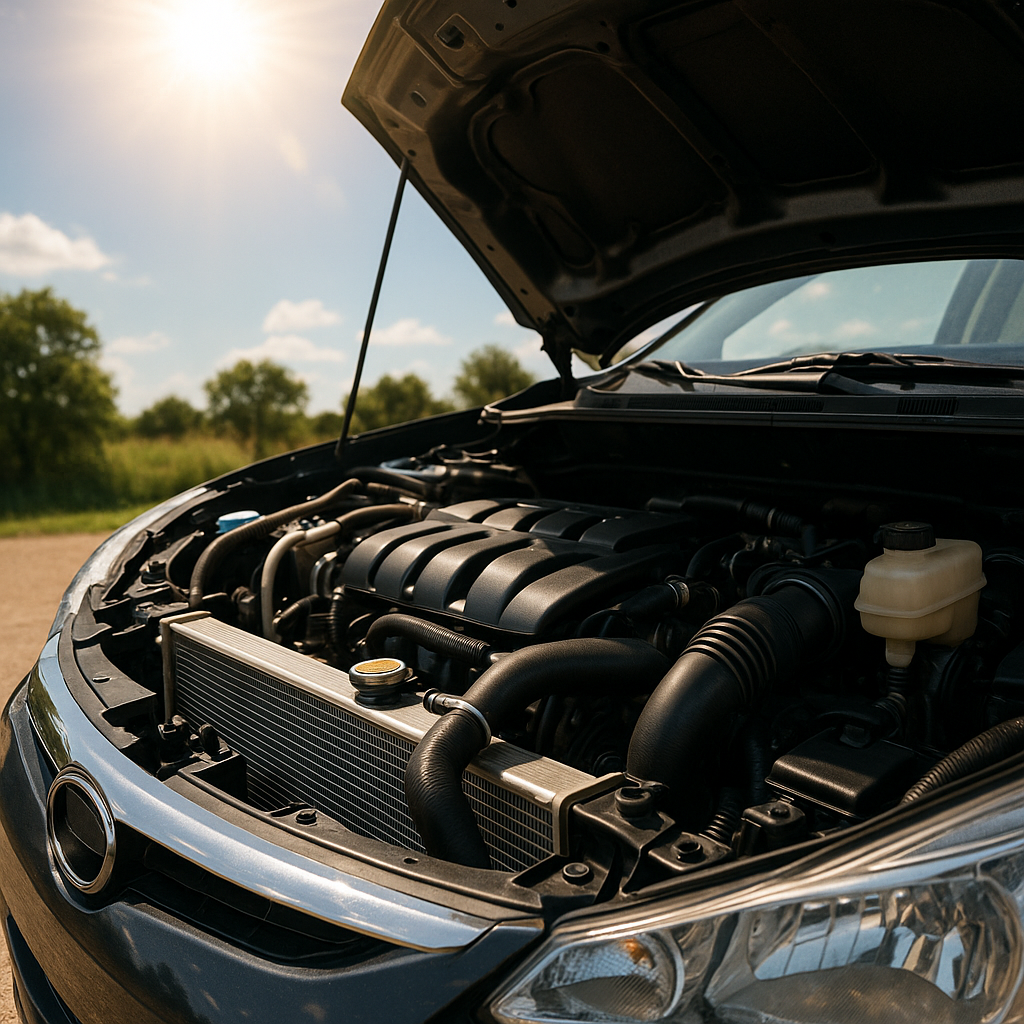
Your vehicle's cooling system is designed to regulate engine temperature, ensuring it runs efficiently. Key components include the radiator, coolant, thermostat, water pump, and hoses. Understanding how these parts work together can help you spot potential issues before they escalate.
Check Your Coolant Levels
One of the simplest yet most effective ways to maintain your cooling system is by regularly checking your coolant levels. Coolant, or antifreeze, is essential for dissipating heat from the engine.
- Always check coolant levels when the engine is cold to avoid burns.
- Ensure the coolant reservoir is filled to the recommended level.
- If coolant levels are low, top up with the appropriate type of coolant as specified in your owner’s manual.
Inspect for Leaks
Leaks in your cooling system can lead to significant engine problems. Regular inspections can help identify issues before they turn into costly repairs.
- Look for puddles of coolant under your vehicle, which may indicate a leak.
- Check hoses and connections for cracks or loose fittings.
- Inspect the radiator for any signs of damage or corrosion.
Flush the Cooling System
Over time, contaminants can build up in your cooling system, diminishing its effectiveness. Flushing your cooling system helps remove these impurities and ensures optimal performance.
It’s generally recommended to flush your cooling system every two years, but consult your owner’s manual for specific guidance. A professional mechanic can perform this service, or you can do it yourself if you’re comfortable with DIY maintenance.
Monitor the Thermostat
The thermostat regulates the flow of coolant to the engine and can fail, leading to overheating. If your engine temperature gauge shows higher than normal readings, it could be a sign of a faulty thermostat.
Consider having your thermostat checked, especially during the summer months when your engine is working harder. Replacing a faulty thermostat is a relatively low-cost repair that can save you from more severe engine damage.
Inspect the Radiator
The radiator plays a crucial role in dissipating heat from the coolant. A blocked or damaged radiator can severely affect your cooling system’s efficiency.
- Check for debris or dirt blocking the radiator fins.
- Ensure the radiator cap is secure and functioning correctly.
- If you notice any leaks or damage, consult a professional for repairs or replacement.
Maintain the Water Pump
The water pump circulates coolant throughout the engine and radiator. A failing water pump can lead to inadequate coolant flow and overheating.
Listen for unusual noises coming from the water pump, such as grinding or whining, as these can indicate a problem. Regular inspections can help spot issues early and prevent costly repairs.
Keep Your Hoses in Good Condition
Hoses are essential for transporting coolant throughout the system. Over time, hoses can become brittle, crack, or develop leaks.
- Check hoses for signs of wear, including cracks, bulges, or leaks.
- Ensure hose clamps are tight and secure.
- Consider replacing hoses that are more than five years old, even if they appear to be in good condition.
Use Quality Coolant
Not all coolants are created equal. Using the wrong type of coolant can lead to corrosion and damage within your cooling system. Always use the type of coolant specified in your vehicle’s owner manual.
When topping up or replacing coolant, choose a high-quality product that meets manufacturer specifications. This can help ensure your cooling system operates effectively throughout the summer.
Monitor Engine Temperature
Keeping an eye on your engine temperature gauge can help you catch potential issues early. If the gauge rises above the normal range, it could indicate a problem with your cooling system.
Take immediate action if you notice your engine temperature rising, such as pulling over to let it cool down and checking coolant levels. Ignoring overheating can lead to severe engine damage.
Plan for Hot Weather Driving
If you plan to drive in extreme heat, consider taking extra precautions to protect your cooling system. Here are some tips:
- Avoid heavy loads that can strain the engine and cooling system.
- Use air conditioning sparingly, as it can increase engine load.
- Take breaks during long drives to allow your engine to cool down.
Conclusion
Maintaining your vehicle's cooling system during the summer is essential for preventing overheating and ensuring a smooth driving experience. By following these practical tips, you can keep your cooling system healthy and your engine running efficiently all summer long. Regular inspections, proper coolant levels, and timely repairs can save you time and money in the long run. Stay cool and drive safe!