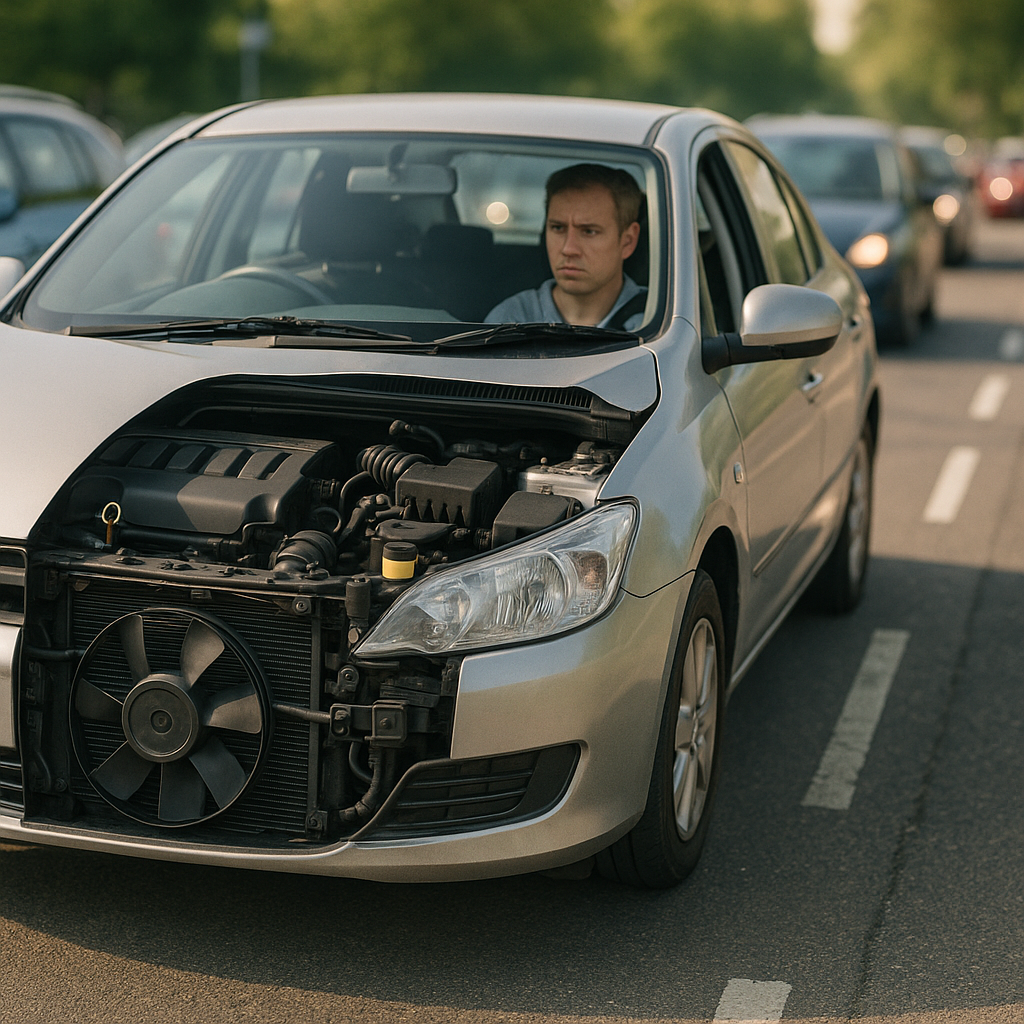
Understanding Overheating
Overheating is a common issue that can affect any vehicle, particularly in stop-start traffic situations. When your engine runs hotter than its normal operating temperature, it can lead to severe damage and costly repairs. Understanding the causes and prevention methods can save you both time and money.
Why Does Overheating Occur?
Several factors contribute to engine overheating, especially in congested traffic. Here are some of the main reasons:
- Insufficient Coolant: The engine relies on coolant to regulate its temperature. Low levels can lead to overheating.
- Blocked Radiator: Dirt and debris can obstruct airflow through the radiator, reducing its cooling efficiency.
- Faulty Thermostat: A malfunctioning thermostat can prevent coolant circulation, causing the engine to overheat.
- Poor Airflow: Stop-start driving limits airflow to the engine, especially in hot weather.
- Heavy Loads: Towing or carrying heavy loads can increase the engine's workload, leading to higher temperatures.
Practical Tips to Prevent Overheating
Here are some practical strategies to help you prevent your vehicle from overheating in stop-start traffic:
1. Regular Maintenance
Keeping your vehicle well-maintained is crucial. Regularly check your coolant levels, replace the coolant as recommended by your manufacturer, and ensure your radiator is clean and free of debris. Schedule routine inspections for your engine and cooling system.
2. Monitor Engine Temperature
Pay attention to your vehicle's temperature gauge. If it begins to rise above normal levels, take immediate action. Pull over safely and let the engine cool down before checking the coolant level.
3. Use Air Conditioning Wisely
Using air conditioning can put extra strain on your engine, especially in heavy traffic. Consider turning it off or using the vehicle's ventilation system instead. If you must use AC, do so sparingly.
4. Reduce Load
Minimise the weight in your vehicle by removing unnecessary items. If you’re towing, ensure you’re within your vehicle’s capacity. Excess weight increases engine load and can lead to overheating.
5. Keep the Radiator Clear
Regularly check for debris blocking the radiator. If you notice dirt or leaves, clean them off to ensure proper airflow. If you're driving in particularly dusty or muddy conditions, check more frequently.
6. Be Mindful of Traffic Conditions
When possible, avoid congested areas during peak times. If you know a route is prone to stop-start traffic, plan alternative routes or try to travel during less busy times.
7. Cool Down Your Engine
After prolonged stop-start driving, allow your engine to idle for a few minutes before turning it off. This helps disperse heat and can prevent overheating.
8. Consider Upgrading Your Cooling System
If you frequently find yourself in stop-start traffic and your vehicle struggles with overheating, consider upgrading your cooling system. High-performance radiators and additional cooling fans can enhance your vehicle’s ability to manage heat.
Recognising the Signs of Overheating
It's essential to be aware of the signs that indicate your engine may be overheating:
- Temperature gauge rising above the normal range.
- Steam billowing from under the bonnet.
- Unusual engine noises or performance issues.
- Burning smell, which may indicate coolant leaks.
What to Do If Your Engine Overheats
If you find yourself in a situation where your engine is overheating, follow these steps:
1. Pull Over Safely
As soon as you notice the temperature gauge rising, find a safe spot to pull over. Turn off the engine and allow it to cool down.
2. Check Coolant Levels
Once the engine has cooled, check the coolant level. If it’s low, add coolant or water as a temporary solution. However, do not attempt to open the radiator cap while the engine is hot.
3. Call for Assistance
If you’re unable to resolve the issue yourself, it’s best to call for roadside assistance. Driving an overheated vehicle can cause severe engine damage.
Conclusion
Overheating in stop-start traffic can be a frustrating experience, but with proper maintenance and awareness, you can significantly reduce the risk. By following the tips outlined in this article, you can keep your engine running smoothly and avoid costly repairs. Regular checks and adjustments can make all the difference in preventing overheating and ensuring your vehicle remains reliable on the road.