Introduction
Your car’s dashboard is like its nervous system, providing crucial information about its operational status. Among the various indicators, warning lights play a vital role in alerting you to potential issues. Understanding what these lights signify and how to respond can help you maintain your vehicle’s health and ensure your safety on the road.
Common Dashboard Warning Lights
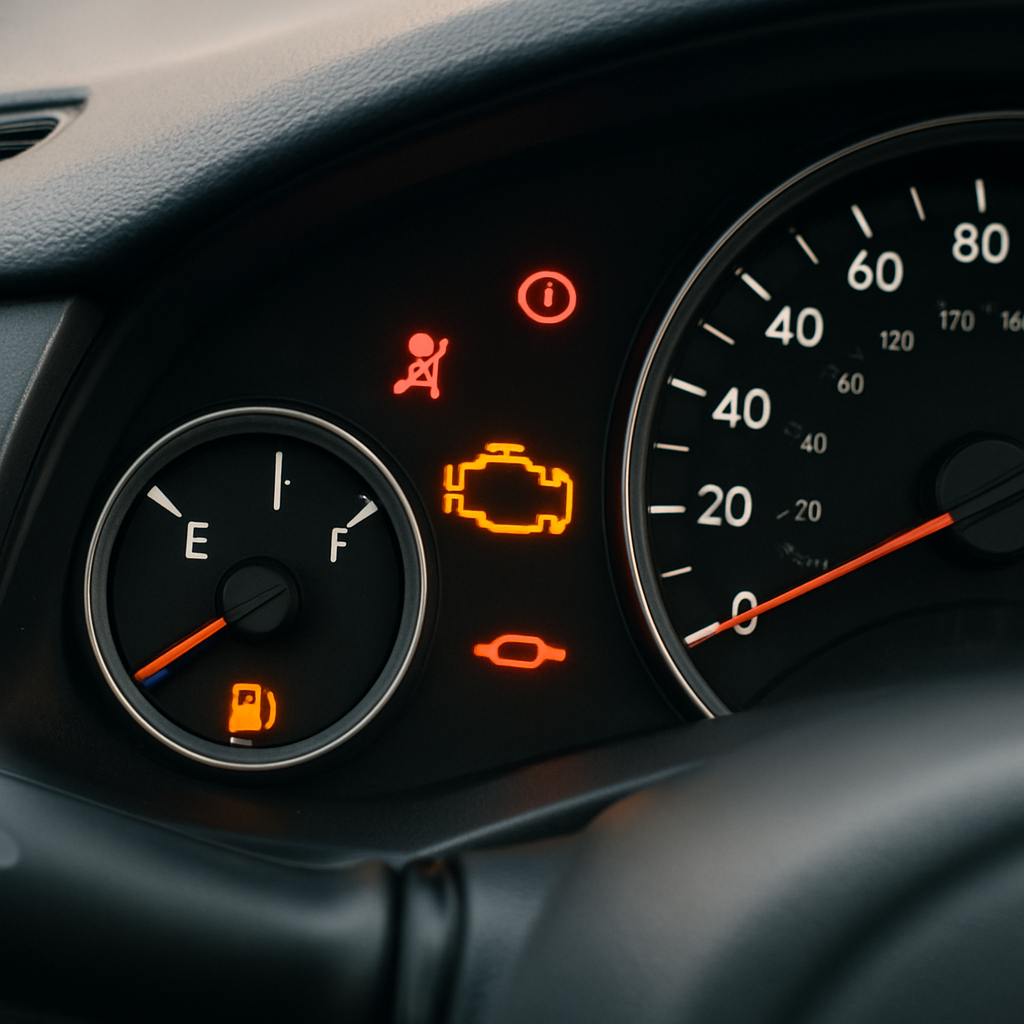
Dashboard warning lights can vary significantly between different makes and models of vehicles. However, some lights are standard across most cars. Here are a few of the most common warning lights you may encounter:
- Check Engine Light: Indicates a range of issues from minor to severe. It’s best to seek professional diagnosis.
- Oil Pressure Warning: Signals low oil pressure, which can lead to engine damage. Stop the vehicle and check oil levels.
- Battery Warning: Indicates a problem with the vehicle’s electrical system or battery. Consider having it inspected.
- Brakes Warning: May indicate a problem with the braking system, such as low brake fluid. Check immediately.
- Tyre Pressure Warning: Alerts you to low tyre pressure, which can affect handling and fuel efficiency. Check tyre pressures.
What to Do When a Warning Light Comes On
When a warning light illuminates on your dashboard, it’s essential to take action promptly. Here’s a step-by-step guide on how to respond:
- Stay Calm: Panicking can lead to poor decision-making. Take a deep breath and assess the situation.
- Refer to the Owner’s Manual: Your vehicle’s manual contains specific information about warning lights and recommended actions.
- Check for Immediate Issues: If the light indicates a critical issue, such as oil pressure or brakes, pull over safely and turn off the engine.
- Investigate Further: For less urgent lights, conduct a basic inspection. Check fluid levels, tyre pressure, and battery connections if possible.
- Seek Professional Help: If you’re unsure or the problem persists, contact a qualified mechanic for a thorough diagnosis.
Preventive Measures
While dashboard warning lights serve as crucial alerts, regular maintenance can prevent many of these issues from arising in the first place. Here are some preventive measures:
- Schedule regular servicing and inspections with a trusted mechanic.
- Keep an eye on fluid levels, including oil, coolant, and brake fluid.
- Monitor tyre pressure and tread depth to ensure safety and efficiency.
- Be attentive to unusual vehicle noises or performance changes.
Conclusion
Understanding dashboard warning lights is essential for every driver. By knowing what these lights mean and how to respond, you can help ensure your vehicle remains in optimal condition. Always prioritise safety and don’t hesitate to seek professional advice when needed. Regular maintenance and vigilance can go a long way in preventing serious issues and keeping you safe on the road.