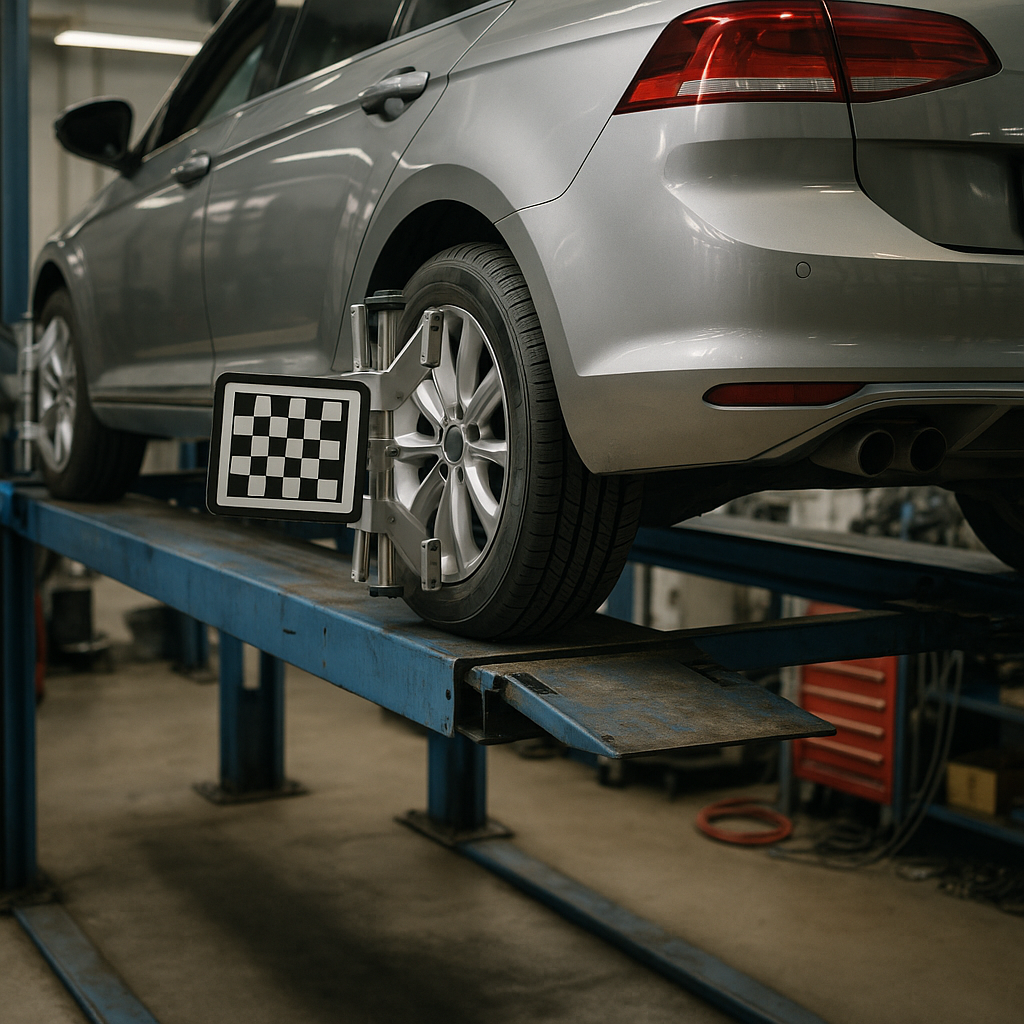
Why Wheel Alignment Matters
Wheel alignment is a fundamental aspect of vehicle maintenance that greatly influences both handling and tyre longevity. Proper alignment ensures that your vehicle's wheels are set to the optimum position, which not only enhances safety but also contributes to fuel efficiency and overall driving comfort.
In the UK, regular checks are essential, especially considering the diverse weather conditions that can affect road surfaces. Misalignment can lead to uneven tyre wear, compromising safety and increasing costs over time.
How Wheel Alignment Affects Handling
When your wheels are misaligned, it can result in several handling issues that can make driving both uncomfortable and unsafe. Here are some common symptoms of poor wheel alignment:
- Your vehicle pulls to one side while driving.
- The steering wheel is off-centre when driving straight.
- You experience excessive vibration in the steering wheel.
- Tyres show uneven wear patterns.
These symptoms indicate that your vehicle may not be handling as it should. Proper wheel alignment helps to ensure that all four wheels are parallel and that they are perpendicular to the ground. This configuration allows for optimal contact with the road, improving steering response and stability.
Impact on Tyre Life
Tyres are one of the most critical components of your vehicle, and proper alignment is key to extending their life. Misalignment can lead to:
- Increased tyre wear, resulting in the need for premature replacement.
- Reduced fuel efficiency due to increased rolling resistance.
- Compromised grip, especially in wet or icy conditions.
In the UK, where road conditions can vary significantly, maintaining proper wheel alignment is vital. Regular checks can save you money in the long run by prolonging the life of your tyres and enhancing your vehicle's performance.
When to Check Your Wheel Alignment
It’s advisable to have your wheel alignment checked:
- Every time you get new tyres fitted.
- After a significant impact, such as hitting a pothole or curb.
- If you notice any of the handling issues mentioned earlier.
- At least once a year during your vehicle’s service.
In the UK, the MOT test includes checks on the condition of your tyres, but it does not specifically test wheel alignment. Therefore, it's up to you to ensure your vehicle is aligned properly.
Practical Steps to Check Alignment Yourself
While it's best to have a professional perform a thorough alignment check, you can conduct some simple checks at home:
- Inspect your tyres for uneven wear patterns.
- Check the steering wheel for centring while driving.
- Test if the vehicle pulls to one side.
If you notice any of these issues, it’s a good indicator that your alignment may be off.
Booking a Mechanic
When it comes to booking a mechanic for wheel alignment, consider the following:
- Look for a reputable garage that uses modern alignment technology.
- Ask about their experience with your vehicle make and model.
- Request a detailed explanation of the alignment process and costs involved.
The cost of a wheel alignment in the UK typically ranges from £50 to £100, depending on the garage and the complexity of the alignment required. Keep in mind that prices may vary based on your location and the specific services offered. It's always wise to get a quote before proceeding with any work.
Conclusion
Maintaining proper wheel alignment is essential for optimal vehicle handling and tyre longevity. Regular checks can prevent costly repairs and enhance your driving experience. Be proactive about your vehicle’s maintenance, especially in the context of the UK's diverse driving conditions. If you notice any symptoms of misalignment, don't hesitate to book an appointment with a trusted mechanic.
UK ownership context
If this issue affects visibility, braking, tyres, emissions or warning lights, treat it as a roadworthiness item and sort it before an MOT or any longer journey.
For many drivers, the most useful benchmark is not a generic internet interval but the manufacturer schedule, recent MOT advisories and the pattern of local driving the vehicle sees each week.
When to book a mechanic
Book an inspection promptly if the issue is getting worse, warning lights remain on, you notice fluid loss, unusual vibration, repeated starting problems, overheating, or any change that affects braking, steering, visibility or emissions.
Getting a workshop to confirm the cause early is usually cheaper than waiting until a minor wear item creates secondary damage elsewhere.
Useful next steps with Motoryst
Use the tools below to turn this advice into a practical next step.
- Check compliance and road-use related details
- Store and organise your service history
- Run a vehicle history check before buying
- Compare warranty cover options
Useful UK references
- DVSA and GOV.UK guidance on MOT preparation
- Check previous MOT advisories and failures
- Use the vehicle owner's handbook and manufacturer service schedule for model-specific intervals, fluids and warning-light guidance.