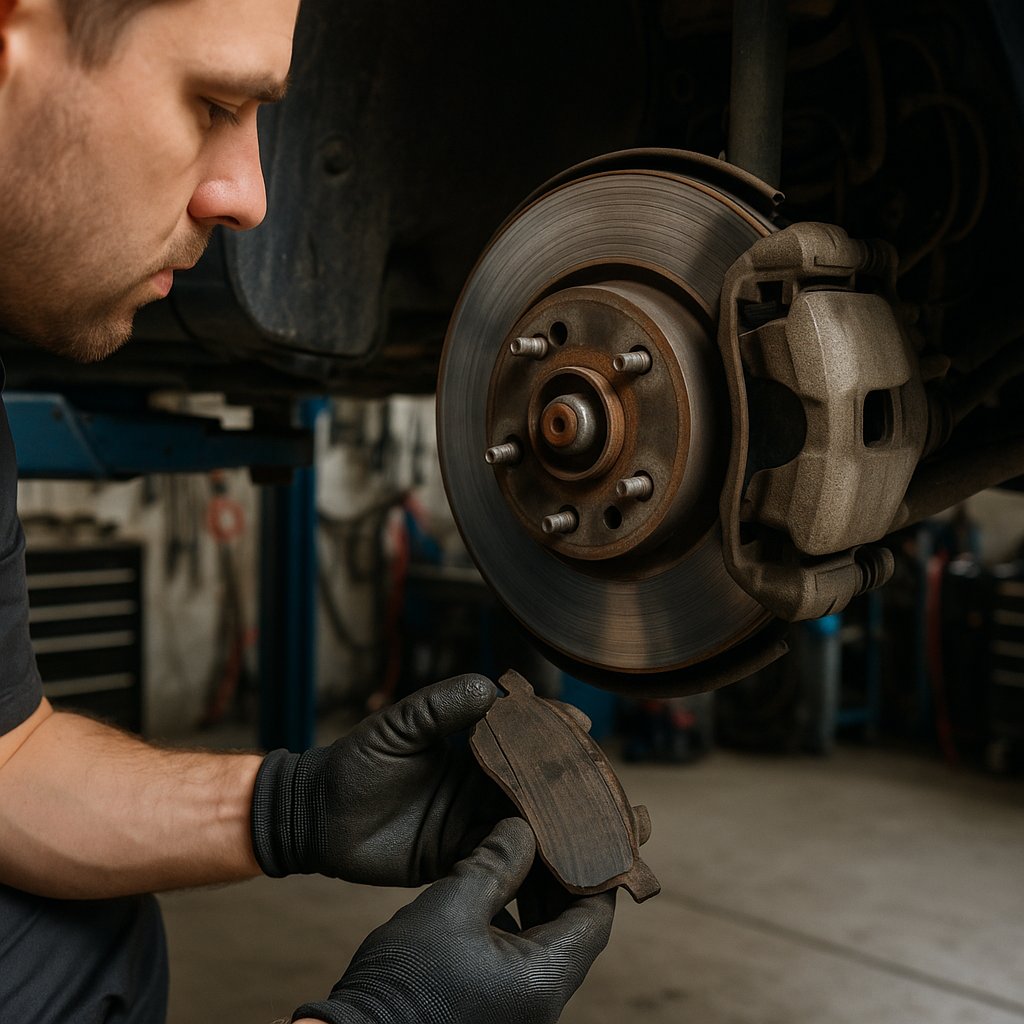
How To Extend The Life Of Your Brake Pads And Discs
Brake pads and discs are crucial components of your vehicle's braking system, ensuring safety and performance on the road. In the UK, where weather conditions can be unpredictable, maintaining these parts is essential not only for your safety but also for the longevity of your vehicle. Proper care can significantly extend their lifespan, reducing the need for costly replacements.
Why Brake Maintenance Matters
Regular maintenance of brakes is vital, especially considering the UK's stringent MOT requirements. The Ministry of Transport (MOT) test assesses the condition of your brakes, and any failure can lead to costly repairs and safety hazards. Additionally, worn brake components can impact your vehicle's roadworthiness, fuel efficiency, and overall driving experience.
Practical Tips to Extend Brake Life
Here are some practical steps you can take this week to extend the life of your brake pads and discs:
- Regular Inspections: Check your brake pads and discs every month for signs of wear, such as uneven surfaces or scoring. Look for a thickness of at least 3mm on your brake pads.
- Maintain Cleanliness: Keep your brakes clean. Dust and grime can accumulate, leading to premature wear. Use a damp cloth to wipe down the brake components during routine checks.
- Drive Smoothly: Avoid hard braking whenever possible. Gradual deceleration reduces stress on your brakes, extending their lifespan.
- Avoid Overloading: Excess weight can cause excessive wear on your brakes. Ensure you’re within the vehicle’s payload capacity, especially when carrying heavy loads.
- Use Quality Parts: When replacing brake components, opt for high-quality parts that meet manufacturer specifications. This ensures better performance and longevity.
Seasonal Considerations
UK weather can vary dramatically, impacting brake performance:
- Winter: Salt and grit from road treatments can corrode brake components. Regularly wash your car, focusing on the wheel wells and brake areas.
- Summer: Hot weather can lead to brake fade. Ensure your brake fluid is at the correct level and free from moisture.
Recognising Symptoms of Worn Brake Components
Being aware of the signs that your brake pads and discs may need attention is crucial:
- Squeaking or Squealing: A high-pitched sound often indicates worn brake pads.
- Vibration: If your steering wheel shakes when braking, this could signify warped discs.
- Pulling to One Side: If your car veers to one side during braking, it may indicate uneven wear on the pads or discs.
- Warning Lights: Pay attention to your dashboard warning lights, especially the brake warning light.
When to Book a Mechanic
If you notice any of the symptoms mentioned above, it's important to consult a mechanic. Additionally, consider booking a professional inspection if:
- You have reached the manufacturer's recommended service interval for brake checks.
- Your brakes feel less responsive than usual.
- You experience unusual noises or smells when braking.
In the UK, the cost of replacing brake pads can range from £100 to £300, depending on the make and model of your vehicle, while discs might cost between £150 to £400. Factors influencing these costs include the type of vehicle, labour rates in your area, and whether you choose OEM (Original Equipment Manufacturer) parts or aftermarket alternatives.
Conclusion: Investing in Brake Maintenance
Extending the life of your brake pads and discs requires proactive care and attention. By regularly inspecting your brakes, maintaining cleanliness, driving smoothly, and being aware of seasonal impacts, you can significantly enhance their longevity. Remember, timely intervention can save you money and ensure your safety on the road. Stay informed about your vehicle's needs, refer to your owner's handbook, and don't hesitate to seek professional help when needed.
UK ownership context
If this issue affects visibility, braking, tyres, emissions or warning lights, treat it as a roadworthiness item and sort it before an MOT or any longer journey.
For many drivers, the most useful benchmark is not a generic internet interval but the manufacturer schedule, recent MOT advisories and the pattern of local driving the vehicle sees each week.
Useful next steps with Motoryst
Use the tools below to turn this advice into a practical next step.
- Check compliance and road-use related details
- Store and organise your service history
- Run a vehicle history check before buying
- Compare warranty cover options
Useful UK references
- DVSA and GOV.UK guidance on MOT preparation
- Check previous MOT advisories and failures
- Use the vehicle owner's handbook and manufacturer service schedule for model-specific intervals, fluids and warning-light guidance.