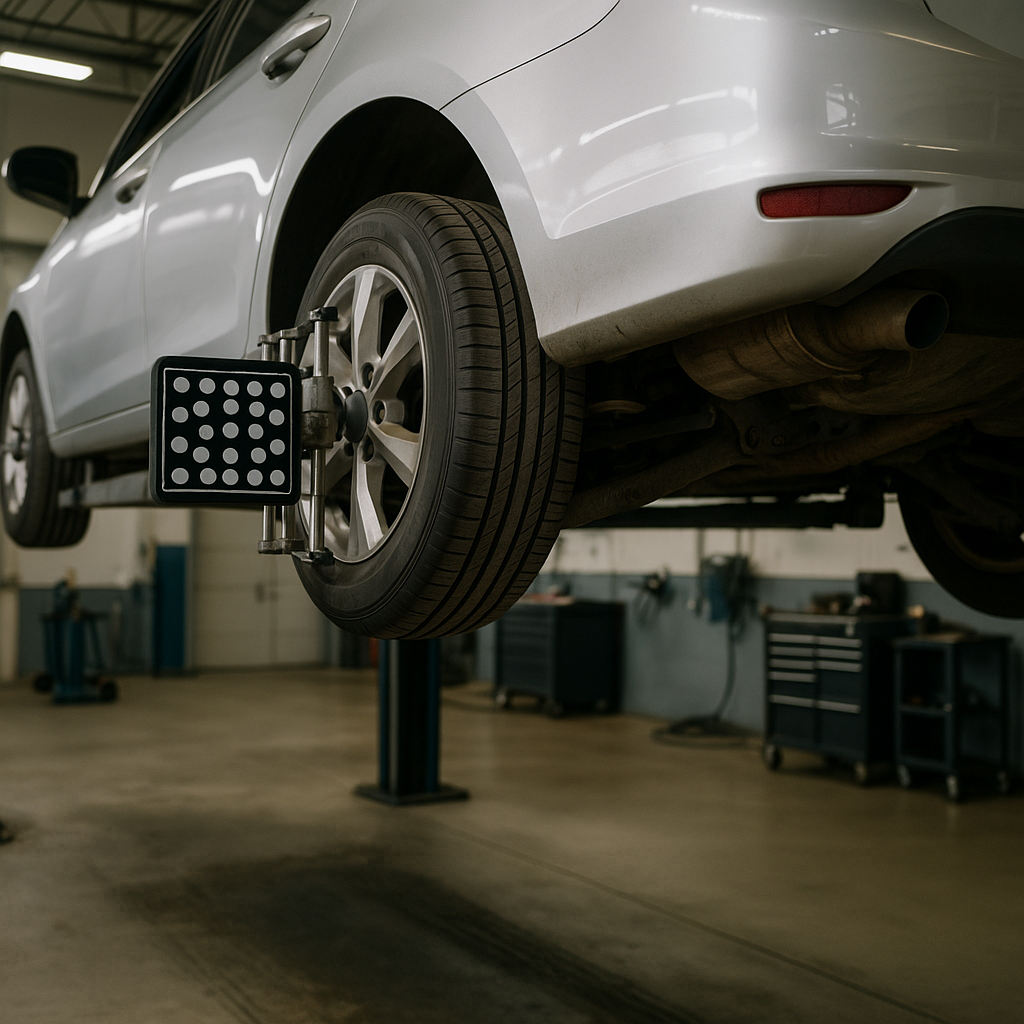
How Wheel Alignment Impacts Handling And Tyre Life
Wheel alignment refers to the adjustment of a vehicle's suspension – the system that connects a vehicle to its wheels. Proper alignment ensures that your tyres are positioned correctly relative to the road and each other. This not only affects how your vehicle handles but also plays a significant role in the lifespan of your tyres.
How Wheel Alignment Affects Vehicle Handling
When your wheels are misaligned, it can lead to various handling issues that compromise your driving experience. Here are some symptoms to look out for:
- Pulling to one side: If your car drifts to the left or right while driving on a flat road, it might indicate alignment issues.
- Uneven steering wheel: If your steering wheel is off-centre when driving straight, this could be a sign of misalignment.
- Vibration: Excessive vibrations while driving, especially at higher speeds, can suggest alignment problems.
The Impact on Tyre Life
Misaligned wheels can lead to uneven tyre wear, drastically reducing their lifespan. Here’s how:
- Camber wear: If the top of the tyre leans inwards or outwards, it can wear unevenly on one side.
- Toe wear: If the tyres point inwards or outwards, the tread can wear out more quickly on the inner or outer edges.
- Increased rolling resistance: Misalignment can create drag, leading to increased fuel consumption and additional strain on the tyres.
Practical Checks You Can Do This Week
Regular checks can help you identify alignment issues early. Here are a few practical steps:
- Inspect your tyres for uneven wear patterns – look for bald spots or excessive wear on one side.
- Check your steering wheel alignment by driving in a straight line; if it’s not centred, this could indicate misalignment.
- Monitor your vehicle’s handling; if you notice any pulling or drifting, it may be time for an alignment check.
UK Context: MOT and Roadworthiness
In the UK, regular vehicle maintenance is crucial not just for performance but also for passing the MOT test. During the MOT, the tester will check the condition of your tyres and suspension components, which includes assessing the alignment. Poorly aligned wheels can lead to premature tyre wear, potentially resulting in failing the MOT. Ensuring your vehicle is roadworthy not only keeps you safe but also saves on ownership costs in the long run.
When to Book a Mechanic
It’s advisable to book a mechanic if you notice any of the following:
- Persistent pulling to one side while driving.
- Significant vibration in the steering wheel.
- Unusual noises when turning the steering wheel.
Additionally, if you’ve hit a pothole or curb, it’s wise to have your alignment checked. Most garages offer alignment services, and costs can vary. Typically, a front-wheel alignment may range from £30 to £70, while a four-wheel alignment can cost between £50 and £100. These prices depend on the make and model of your vehicle and the complexity of the alignment required.
Conclusion: The Importance of Regular Maintenance
Maintaining proper wheel alignment is essential for ensuring optimal vehicle handling and tyre longevity. Regular checks and timely interventions can prevent costly repairs and enhance your driving experience. Always refer to your owner's handbook for specific maintenance schedules and consult with a professional mechanic if you have any concerns about your vehicle’s alignment.
UK ownership context
If this issue affects visibility, braking, tyres, emissions or warning lights, treat it as a roadworthiness item and sort it before an MOT or any longer journey.
For many drivers, the most useful benchmark is not a generic internet interval but the manufacturer schedule, recent MOT advisories and the pattern of local driving the vehicle sees each week.
Useful next steps with Motoryst
Use the tools below to turn this advice into a practical next step.
- Check compliance and road-use related details
- Store and organise your service history
- Run a vehicle history check before buying
- Compare warranty cover options
Useful UK references
- DVSA and GOV.UK guidance on MOT preparation
- Check previous MOT advisories and failures
- Use the vehicle owner's handbook and manufacturer service schedule for model-specific intervals, fluids and warning-light guidance.