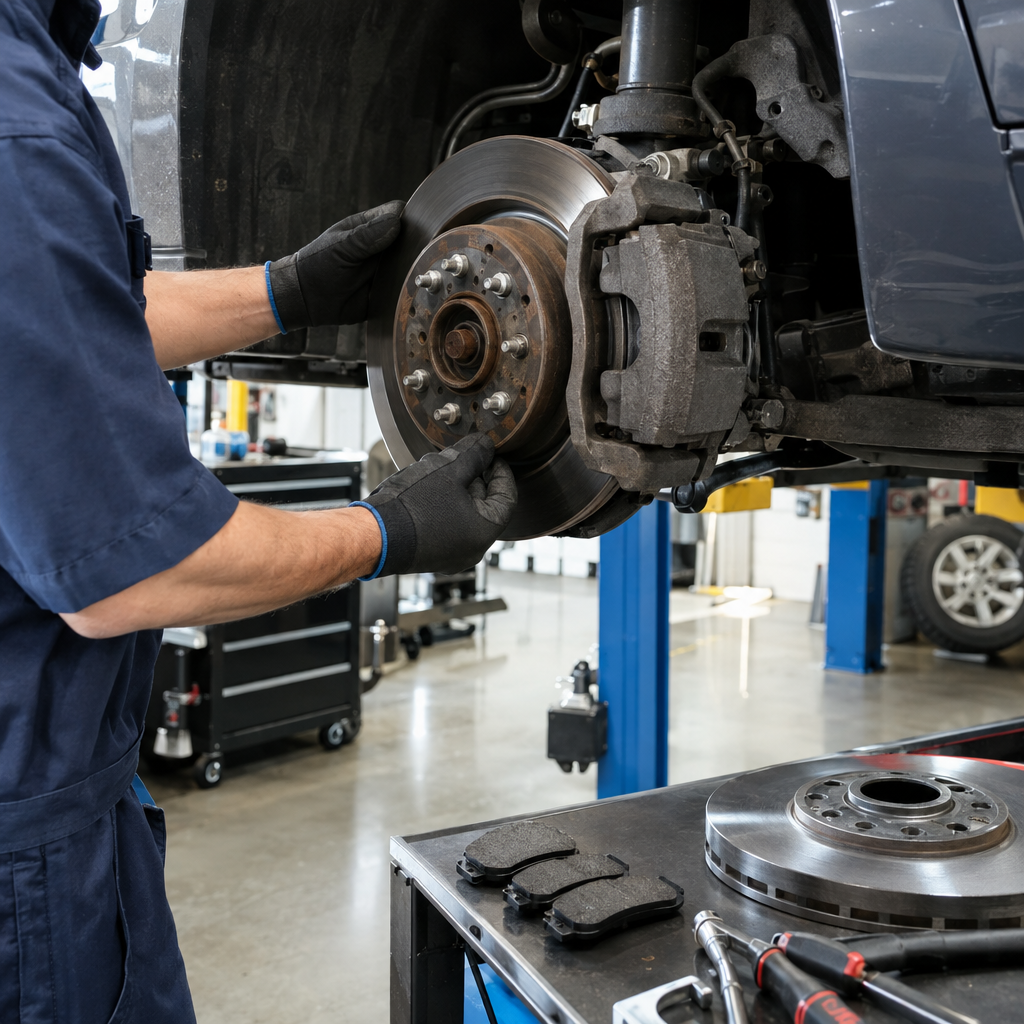
How To Spot Early Brake Wear Before It Becomes Expensive
Brake wear is a natural part of vehicle operation, but identifying it early can save you from significant repair costs and enhance your safety on the road. In the UK, brakes are a critical component of your car's roadworthiness, evaluated during the annual MOT test. A well-maintained braking system not only ensures compliance with legal standards but also contributes to the overall reliability and longevity of your vehicle.
Seasonal conditions can exacerbate brake wear. For instance, wet or icy roads increase the need for braking, which can lead to quicker deterioration. Regular checks of your braking system can help you catch issues before they escalate into costly repairs.
Key Signs of Brake Wear
Being proactive about your brakes can prevent expensive repairs down the line. Here are several key indicators that your brakes may be wearing out:
- Squeaking or Grinding Noises: If you hear a high-pitched squeal or a grinding sound when applying the brakes, it’s a clear sign that your brake pads are worn. Most pads have a built-in wear indicator that produces a sound when replacement is needed.
- Vibration or Pulsation: If you feel vibrations through the brake pedal or steering wheel when braking, it might indicate warped brake discs, which can lead to uneven wear and reduced braking efficiency.
- Longer Stopping Distances: If you notice that your car takes longer to stop than it used to, it’s a sign that your brakes may not be functioning optimally.
- Brake Warning Light: Pay attention to your dashboard warning lights. If the brake warning light illuminates, it’s crucial to investigate the issue promptly.
Practical Brake Checks You Can Perform
Regularly checking your brakes can help you catch issues early. Here are some practical checks you can perform this week:
- Visual Inspection: Look through your wheel spokes to check the thickness of your brake pads. If they appear less than 3mm thick, it’s time for a replacement.
- Listen for Sounds: Drive your vehicle in a quiet area and listen for any unusual noises when applying the brakes.
- Feel for Performance Changes: Pay attention to how the brakes feel when you apply them. Any changes in pedal feel or responsiveness should be investigated.
- Check Brake Fluid: Inspect the brake fluid reservoir under the hood. If the fluid level is low, it may indicate a leak or that your brake pads are worn down.
Understanding the Costs of Brake Repairs
The cost of brake repairs can vary significantly based on your vehicle's make and model, as well as the extent of the wear. Here’s a general breakdown of potential costs:
- Brake Pads Replacement: Typically ranges from £100 to £300 per axle, depending on whether you're using standard or premium pads.
- Brake Disc Replacement: Can cost between £150 and £400 per axle, depending on the vehicle type and whether you opt for OEM (Original Equipment Manufacturer) parts.
- Labour Costs: Expect to pay around £60 to £100 per hour for labour, depending on the garage's location and expertise.
Keep in mind that regular maintenance can help you avoid these costs. Following the manufacturer’s service schedule outlined in your owner’s handbook can keep your braking system in optimal condition.
When to Book a Mechanic
While some brake issues can be resolved with simple checks, there are times when you should consult a professional. Consider booking a mechanic if:
- You notice any of the warning signs mentioned earlier and cannot determine the cause.
- Your brake warning light remains illuminated after checking the brake fluid level.
- You experience a sudden change in braking performance, such as a spongy brake pedal or a complete loss of braking power.
- Your vehicle fails the brake test during an MOT or service.
In the UK, mechanics should follow the DVSA guidelines for inspections, ensuring your vehicle remains roadworthy and safe. Regular check-ups can prevent minor issues from becoming major problems, ultimately saving you money and ensuring your safety.
Conclusion
By staying vigilant and performing regular checks, you can spot early signs of brake wear and address them before they become expensive repairs. Remember that your brakes are a critical safety feature of your vehicle. If you're ever in doubt, don't hesitate to seek professional advice. Keeping your braking system in top condition not only saves you money but also ensures your safety and that of other road users.
UK ownership context
If this issue affects visibility, braking, tyres, emissions or warning lights, treat it as a roadworthiness item and sort it before an MOT or any longer journey.
For many drivers, the most useful benchmark is not a generic internet interval but the manufacturer schedule, recent MOT advisories and the pattern of local driving the vehicle sees each week.
Useful UK references
- DVSA and GOV.UK guidance on MOT preparation
- Check previous MOT advisories and failures
- Use the vehicle owner's handbook and manufacturer service schedule for model-specific intervals, fluids and warning-light guidance.