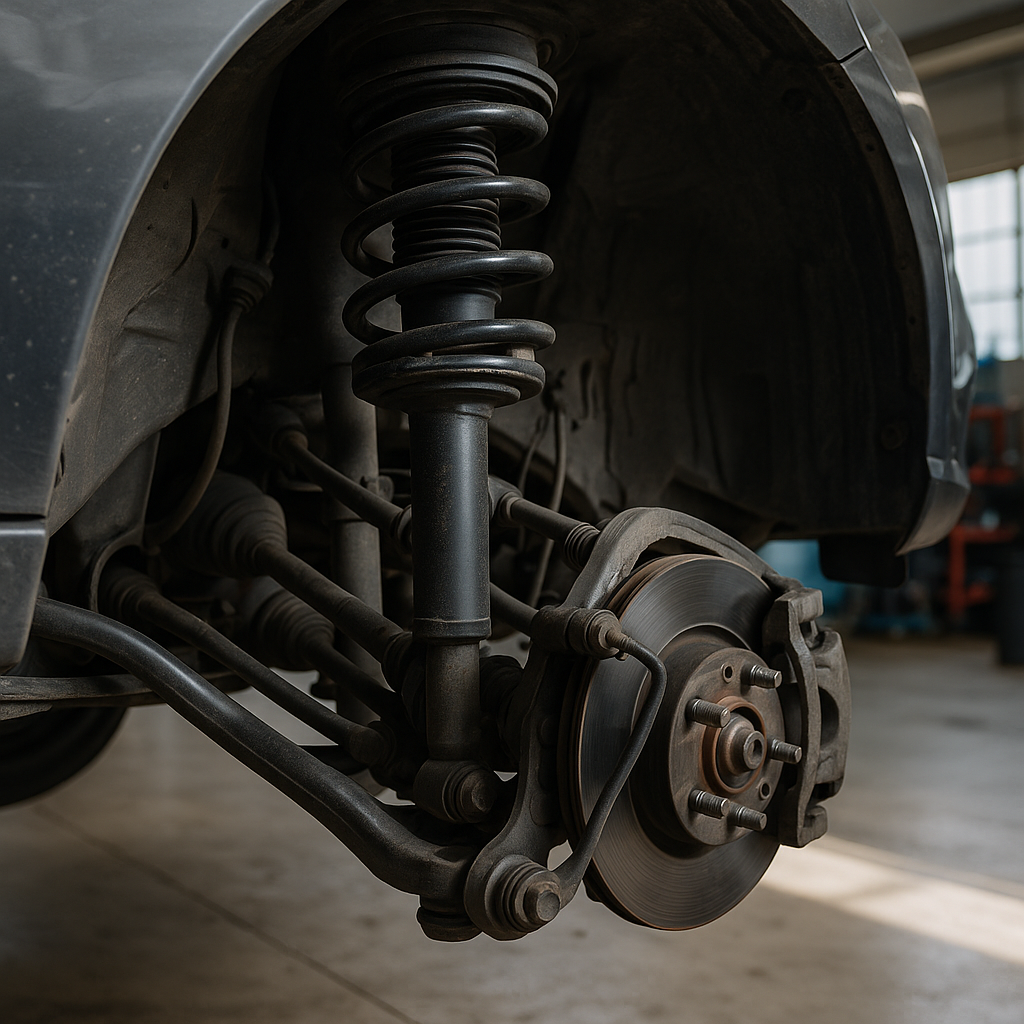
Recognising the Importance of Suspension
Your vehicle's suspension system is crucial for maintaining comfort and safety while driving. It keeps your tyres in contact with the road, absorbs shocks from bumps, and helps ensure your car handles properly. However, suspension issues can develop gradually, leading to more significant problems if not addressed promptly. Regular checks can save you money and enhance your vehicle's roadworthiness, especially in light of the UK’s stringent MOT requirements.
Suspension problems can affect your car's performance, fuel efficiency, and overall safety. Given the UK’s varied weather conditions and road surfaces, it’s essential to be vigilant about your suspension system, particularly as we transition into winter months when potholes and rough roads are more prevalent.
Common Symptoms of Suspension Issues
Recognising the early signs of suspension problems can help you take action before they escalate. Look out for the following symptoms:
- Unusual Noises: Listen for clunks, rattles, or squeaks when driving over bumps.
- Uneven Tyre Wear: Inspect your tyres regularly; uneven wear can indicate alignment issues linked to suspension.
- Vehicle Pulling to One Side: If your car drifts left or right while driving on a straight road, it could signify suspension misalignment.
- Excessive Bouncing: If your car bounces more than usual after hitting a bump, the shock absorbers may be failing.
- Difficulty Steering: A stiff or unresponsive steering wheel can also point to suspension problems.
Practical Checks You Can Do This Week
Taking a proactive approach can help you identify suspension issues before they worsen. Here are some practical checks you can perform:
- Visual Inspection: Park your car on a flat surface and visually inspect the suspension components. Look for any visible damage or wear on the springs, shock absorbers, and control arms.
- Tyre Check: Examine your tyres for uneven wear patterns. If you notice significant differences, it may be time to get your alignment checked.
- Bounce Test: Push down on each corner of your vehicle. If it bounces more than once, your shock absorbers may need replacing.
- Listen for Noises: Drive over speed bumps or uneven surfaces and listen for any unusual sounds.
- Steering Feel: Take note of how your steering feels. If it’s loose or unresponsive, this could indicate suspension problems.
Understanding the Cost of Suspension Repairs
The cost of suspension repairs can vary widely based on the specific issue, the make and model of your vehicle, and labour rates in your area. Generally, you can expect the following:
- Shock Absorber Replacement: Typically ranges from £100 to £300 per shock, including parts and labour.
- Suspension Bushings: Replacement can cost between £50 and £150, depending on the vehicle.
- Alignment Services: A wheel alignment usually costs around £30 to £60.
- Complete Suspension Overhaul: For extensive repairs, costs can escalate to £1,000 or more.
For UK drivers, it’s essential to consult your vehicle’s owner’s handbook or manufacturer service schedule for specific maintenance recommendations. Regular servicing can help identify potential suspension issues early, often saving you money in the long run.
When to Book a Mechanic
If you notice any of the symptoms mentioned earlier or if your checks reveal potential issues, it’s crucial to book an appointment with a qualified mechanic. Here are some specific situations that warrant immediate attention:
- Persistent noises from the suspension, especially clunks or rattles.
- Significant changes in handling or steering response.
- Visible damage to suspension components during your inspection.
- Frequent tyre wear that doesn’t correspond with normal usage.
- Difficulty in passing your MOT due to suspension-related failures.
Delaying necessary repairs can lead to further damage, impacting the safety and performance of your vehicle. Make sure to choose a reputable garage and consider getting a second opinion if you’re unsure about a diagnosis.
Conclusion
By staying vigilant and performing regular checks on your vehicle’s suspension system, you can catch issues early and avoid costly repairs down the line. Remember, your safety on the road is paramount, and a well-maintained suspension system is key to a smooth and safe driving experience.
UK ownership context
Use your owner's handbook and service schedule as the starting point, then adapt the timing to UK stop-start traffic, colder months and the mileage your car actually covers.
For many drivers, the most useful benchmark is not a generic internet interval but the manufacturer schedule, recent MOT advisories and the pattern of local driving the vehicle sees each week.
Useful next steps with Motoryst
Use the tools below to turn this advice into a practical next step.
- Store and organise your service history
- Run a vehicle history check before buying
- Compare warranty cover options
- Estimate current vehicle value
Useful UK references
- DVSA and GOV.UK guidance on MOT preparation
- Check previous MOT advisories and failures
- Use the vehicle owner's handbook and manufacturer service schedule for model-specific intervals, fluids and warning-light guidance.