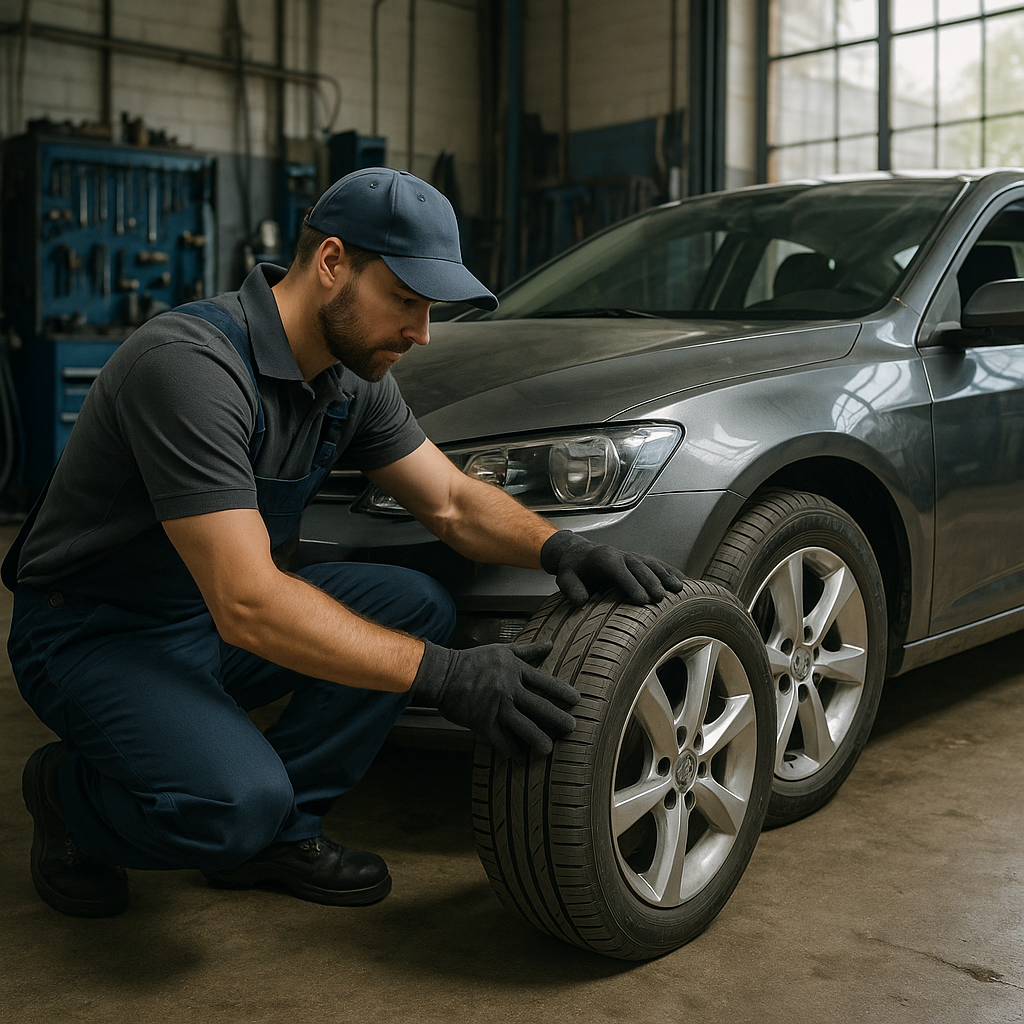
What Causes Uneven Tyre Wear And How To Fix It
As a UK driver, keeping your vehicle in top condition is essential not only for safety but also for maintaining roadworthiness. Uneven tyre wear can affect handling, fuel efficiency, and overall driving comfort. Understanding what causes this issue and how to rectify it is crucial for any vehicle owner.
Tyres are the only point of contact between your car and the road, making their condition paramount. Uneven wear can lead to premature tyre replacement, which can be costly. Regular checks and maintenance can help extend the life of your tyres and improve your vehicle's performance.
Common Causes of Uneven Tyre Wear
Several factors can contribute to uneven tyre wear, including:
- Improper Inflation: Under-inflated or over-inflated tyres can wear unevenly. Check your tyre pressure regularly, ideally once a month or before long journeys.
- Wheel Alignment Issues: Misaligned wheels can cause tyres to wear on one side. This can happen due to hitting potholes or curbs.
- Suspension Problems: Worn suspension components can lead to uneven weight distribution, causing abnormal tyre wear.
- Driving Habits: Aggressive driving, such as rapid acceleration and hard braking, can contribute to uneven wear.
- Tyre Rotation Neglect: Failing to rotate your tyres at recommended intervals can lead to uneven wear patterns.
Symptoms of Uneven Tyre Wear
Identifying uneven tyre wear early can save you money and enhance safety. Watch for these symptoms:
- Visible wear patterns on the tread, such as bald spots or excessive wear on one side.
- Vibrations while driving, which may indicate alignment issues.
- Steering wheel pulling to one side, suggesting uneven wear or alignment problems.
- Reduced fuel efficiency, which can be a sign of poor tyre condition.
How to Fix Uneven Tyre Wear
If you notice any symptoms of uneven tyre wear, here are practical steps to address the issue:
1. Check Tyre Pressure
Use a reliable tyre pressure gauge to check the inflation of each tyre. Refer to your vehicle’s owner's handbook for the recommended pressure. Adjust as necessary to ensure optimal performance.
2. Get a Wheel Alignment
If you suspect misalignment, take your vehicle to a garage for a professional alignment check. This usually costs between £30 and £100, depending on your vehicle type and the garage.
3. Inspect Suspension Components
Have a mechanic inspect your vehicle's suspension system for any worn or damaged parts. Replacing these components can prevent further tyre wear and improve handling.
4. Rotate Your Tyres
Tyre rotation should be done every 5,000 to 10,000 miles, or as specified in your manufacturer’s schedule. This practice helps ensure even wear across all tyres.
5. Adjust Driving Habits
Being mindful of your driving style can significantly impact tyre wear. Avoid rapid acceleration and harsh braking to prolong the life of your tyres.
Seasonal Considerations
In the UK, seasonal changes can also affect tyre wear. For instance, winter conditions can lead to increased wear if winter tyres are not used appropriately. Ensure you switch to summer tyres when the weather permits, and check tread depth regularly.
Cost Implications of Tyre Maintenance
Regular tyre maintenance can save you money in the long run. The costs associated with neglecting uneven tyre wear can escalate quickly. Here’s a breakdown of potential costs:
- New tyres can cost anywhere from £50 to over £200 each, depending on the brand and specifications.
- Wheel alignment services typically range from £30 to £100.
- Suspension repairs can vary widely, with costs ranging from £100 to £500 based on the extent of the damage.
When to Book a Mechanic
It’s advisable to book a mechanic if you notice:
- Significant vibrations while driving.
- Severe uneven wear patterns on your tyres.
- Persistent steering issues, such as pulling to one side.
- Any warning lights related to tyre pressure or handling.
Regular servicing as part of your MOT (Ministry of Transport) test is also essential. Ensure you maintain your vehicle in line with DVSA (Driver and Vehicle Standards Agency) guidelines to keep it roadworthy.
Conclusion
In conclusion, uneven tyre wear is a common issue that can have significant implications for vehicle safety and performance. By understanding the causes and taking proactive steps, you can maintain your tyres effectively. Regular checks, timely maintenance, and mindful driving can help you avoid costly repairs and ensure a safer driving experience.
UK ownership context
If this issue affects visibility, braking, tyres, emissions or warning lights, treat it as a roadworthiness item and sort it before an MOT or any longer journey.
For many drivers, the most useful benchmark is not a generic internet interval but the manufacturer schedule, recent MOT advisories and the pattern of local driving the vehicle sees each week.
Useful next steps with Motoryst
Use the tools below to turn this advice into a practical next step.
- Check compliance and road-use related details
- Store and organise your service history
- Run a vehicle history check before buying
- Compare warranty cover options
Useful UK references
- DVSA and GOV.UK guidance on MOT preparation
- Check previous MOT advisories and failures
- Use the vehicle owner's handbook and manufacturer service schedule for model-specific intervals, fluids and warning-light guidance.