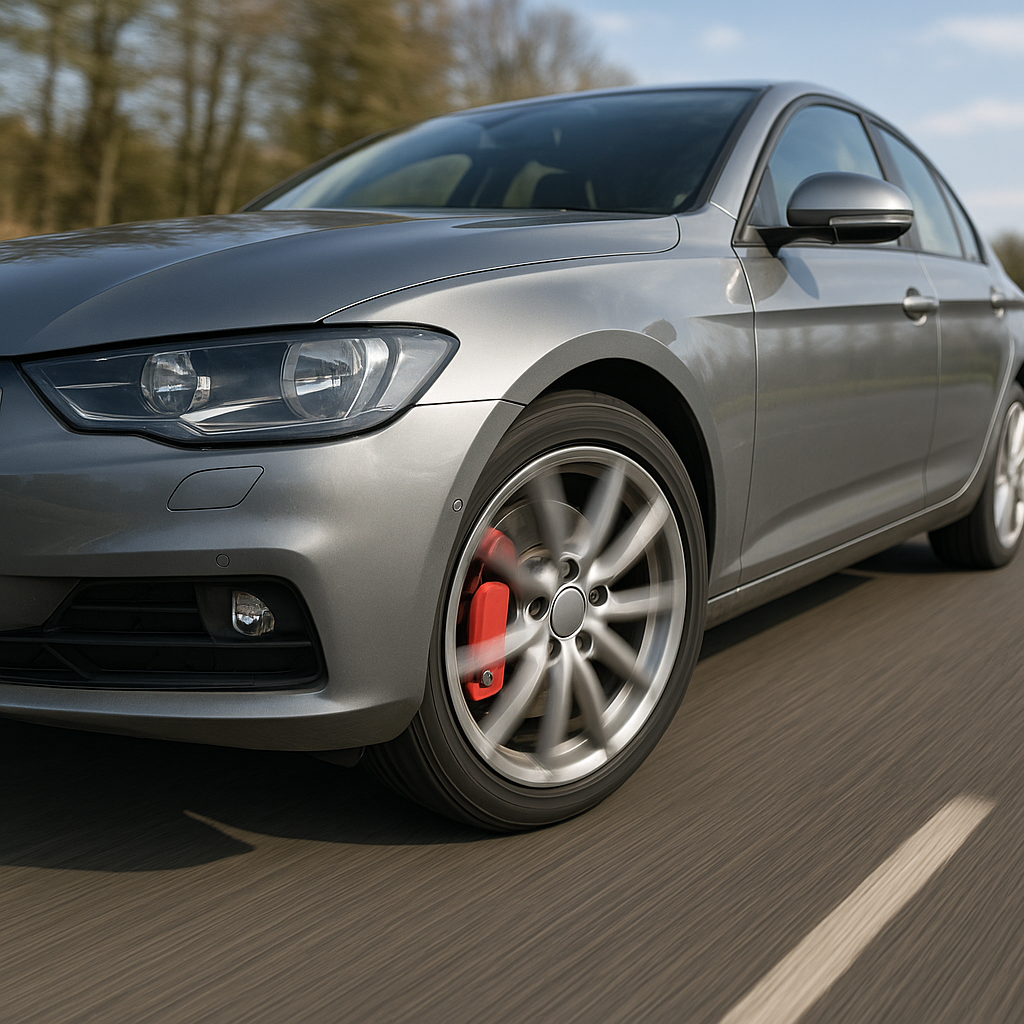
Identifying the Problem: Car Pulling to One Side
Experiencing your car pulling to one side while braking can be alarming and potentially dangerous. This issue can lead to uneven tyre wear, compromised handling, and, most importantly, safety risks. Understanding the causes and symptoms of this problem is crucial for any driver in the UK.
Common Causes of Pulling When Braking
Several factors can contribute to your vehicle pulling to one side when you apply the brakes. Here are some of the most common reasons:
- Uneven Brake Pad Wear: If the brake pads on one side of your vehicle are more worn than those on the other side, this can cause uneven braking force.
- Sticking Brake Caliper: A caliper that doesn’t release properly can cause one wheel to brake harder than the other, resulting in a pull.
- Tyre Pressure Imbalance: Incorrect tyre pressure can affect how your car handles, particularly when braking.
- Wheel Alignment Issues: Misalignment can lead to uneven wear on tyres and affect braking performance.
- Suspension Problems: Worn or damaged suspension components can lead to instability, especially during braking.
Symptoms to Watch For
In addition to the car pulling to one side, you may notice other symptoms that could indicate a braking issue. Be vigilant for the following:
- Uneven tyre wear, with one side showing more wear than the other.
- Increased stopping distance when braking.
- Strange noises, such as grinding or squeaking, when applying the brakes.
- Vibrations in the steering wheel during braking.
- Pulling to one side even when not braking.
Practical Checks for Drivers
As a responsible driver, it’s essential to perform regular checks to ensure your vehicle's safety. Here are some practical steps you can take this week:
- Inspect Brake Pads: Check the thickness of your brake pads. If they appear uneven or worn down, consider replacing them.
- Check Brake Fluid: Ensure your brake fluid is at the correct level and is not contaminated.
- Tyre Pressure Check: Use a pressure gauge to check that all tyres are inflated to the manufacturer’s recommended levels.
- Visual Inspection: Look for any visible damage or leaks around the brake calipers and suspension components.
- Wheel Alignment: If you notice uneven tyre wear, it may be time to get a professional alignment check.
Understanding the UK Context: MOT and Roadworthiness
In the UK, ensuring your vehicle’s roadworthiness is not just a matter of safety; it’s also a legal obligation. The MOT (Ministry of Transport) test checks various aspects of your vehicle, including the braking system, to ensure it meets safety standards. If your car pulls to one side when braking, it may fail the MOT due to inadequate braking performance.
Regular servicing, ideally every 12,000 miles or annually, can help catch these issues before they become serious. Furthermore, seasonal conditions such as wet or icy weather can exacerbate braking problems, so it’s wise to stay proactive.
When to Book a Mechanic
If you notice your car pulling to one side while braking, it's essential to address the issue promptly. Here are some indicators that it’s time to consult a professional:
- If the pulling persists after performing basic checks.
- Any unusual noises accompany the pulling.
- There is a noticeable change in brake pedal feel.
- You observe fluid leaks around the brake components.
- It’s been over a year since your last brake inspection.
Booking a mechanic is crucial to ensure your vehicle remains safe to drive. Depending on the issue, costs can vary significantly. For instance, replacing a set of brake pads can range from £100 to £300, while brake caliper repairs might cost between £150 and £400. Always ask for a detailed quote before proceeding with repairs.
Conclusion
Experiencing your car pulling to one side when braking is not a problem to take lightly. By understanding the potential causes and symptoms, performing regular checks, and knowing when to seek professional help, you can maintain your vehicle’s safety and performance. Don’t hesitate to consult your owner’s handbook or seek advice from trusted mechanics to ensure your car remains in top condition.
UK ownership context
Use your owner's handbook and service schedule as the starting point, then adapt the timing to UK stop-start traffic, colder months and the mileage your car actually covers.
For many drivers, the most useful benchmark is not a generic internet interval but the manufacturer schedule, recent MOT advisories and the pattern of local driving the vehicle sees each week.
Useful next steps with Motoryst
Use the tools below to turn this advice into a practical next step.
- Store and organise your service history
- Run a vehicle history check before buying
- Compare warranty cover options
- Estimate current vehicle value
Useful UK references
- DVSA and GOV.UK guidance on MOT preparation
- Check previous MOT advisories and failures
- Use the vehicle owner's handbook and manufacturer service schedule for model-specific intervals, fluids and warning-light guidance.