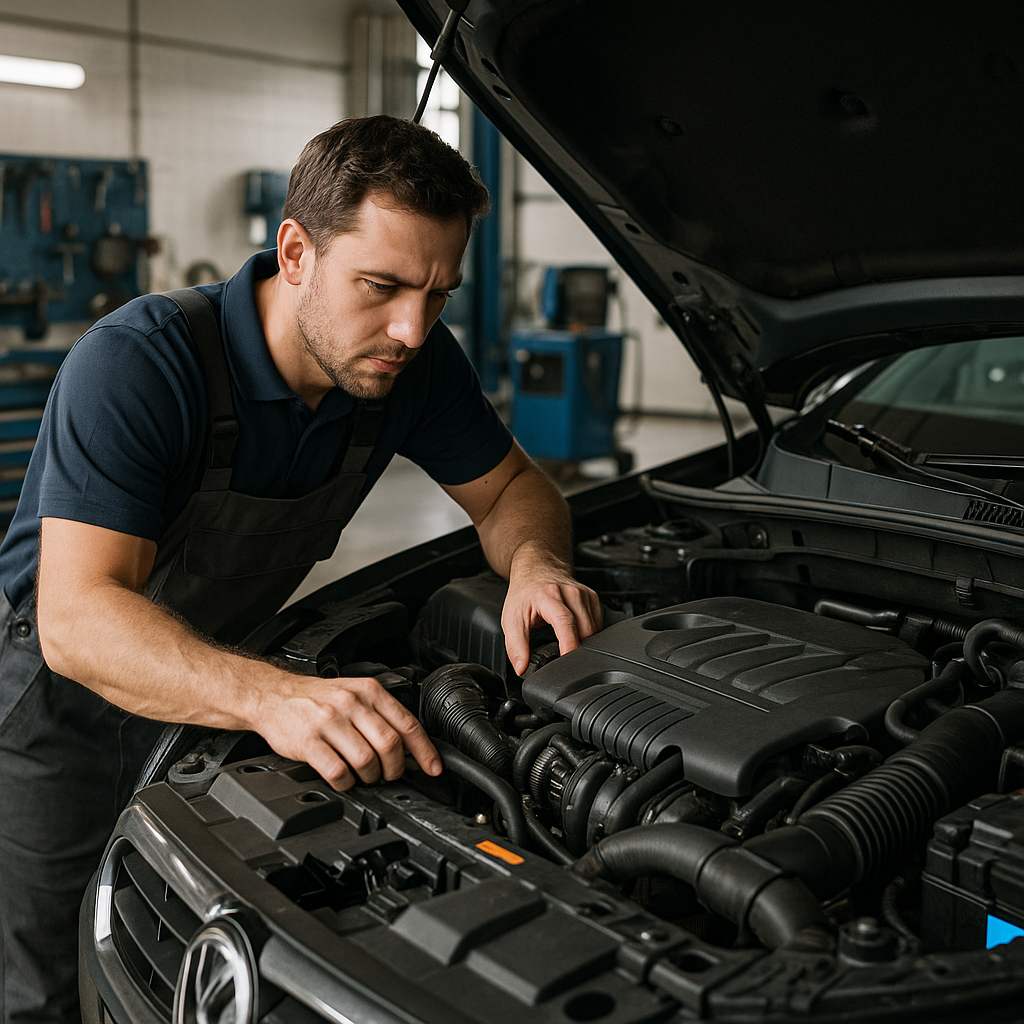
What Causes Poor Acceleration In Petrol And Diesel Vehicles
Poor acceleration in both petrol and diesel vehicles can be frustrating and potentially dangerous. It can stem from various factors that affect engine performance and vehicle responsiveness. As a UK driver, recognising the symptoms and causes of poor acceleration can help you take timely action, ensuring your vehicle remains roadworthy and compliant with MOT regulations.
Seasonal conditions, such as cold weather, can also impact vehicle performance, making it essential to understand the underlying issues that may cause poor acceleration. Regular servicing and adhering to manufacturer schedules can mitigate many of these problems, ultimately saving you money on repairs and improving your vehicle's longevity.
Common Causes of Poor Acceleration
Several factors can lead to poor acceleration in your vehicle. Here are some of the most common causes:
- Fuel System Issues: Problems with the fuel pump, fuel filter, or fuel injectors can restrict fuel flow, leading to sluggish acceleration.
- Air Intake Problems: A clogged air filter or malfunctioning mass airflow sensor can limit the air entering the engine, affecting combustion.
- Ignition System Failures: Worn spark plugs, ignition coils, or faulty sensors can disrupt the ignition process, resulting in poor engine performance.
- Transmission Issues: Problems with the transmission, such as low fluid levels or worn components, can impede acceleration.
- Exhaust System Blockages: A blocked catalytic converter or exhaust system can create back pressure, reducing engine efficiency.
Symptoms to Look For
Identifying the symptoms of poor acceleration can help you diagnose the issue more effectively. Common signs include:
- Unresponsive throttle when pressing the accelerator.
- Engine misfires or rough idling.
- Decreased fuel efficiency.
- Unusual noises from the engine or exhaust.
- Warning lights illuminated on the dashboard, such as the check engine light.
Practical Checks You Can Perform
As a proactive driver, you can perform several checks to identify potential issues affecting your vehicle's acceleration. Here are some practical steps you can take:
- Inspect the Fuel System: Check the fuel filter for clogs and listen for the fuel pump's operation. If you notice a decrease in fuel pressure, it may indicate a failing pump.
- Check the Air Filter: Remove the air filter and inspect it for dirt and debris. A clean air filter can significantly improve engine performance.
- Examine the Spark Plugs: Inspect spark plugs for wear or fouling. Replacing worn spark plugs can enhance ignition efficiency and improve acceleration.
- Monitor Transmission Fluid Levels: Ensure that the transmission fluid is at the correct level and in good condition. Low or dirty fluid can lead to shifting problems.
- Listen for Unusual Noises: Pay attention to any strange sounds coming from the engine or exhaust, which may indicate blockages or mechanical failures.
Seasonal Considerations
In the UK, seasonal weather changes can affect vehicle performance. Cold weather can thicken engine oil and affect fuel delivery, leading to poor acceleration. Additionally, the presence of moisture can cause electrical issues, particularly in ignition systems. Regular checks during the winter months, including battery health and fluid levels, can help ensure your vehicle remains responsive.
When to Book a Mechanic
While many issues can be diagnosed and resolved at home, there are times when it’s best to consult a professional mechanic. Consider booking an appointment if you experience:
- Persistent acceleration issues despite performing basic checks.
- Dashboard warning lights that remain illuminated after troubleshooting.
- Unusual sounds or vibrations that indicate a potential mechanical failure.
- Fluid leaks or significant drops in fluid levels.
Cost Considerations
The cost of repairs for poor acceleration can vary widely depending on the underlying issue. Here’s a rough idea of what you might expect:
- Fuel System Repairs: Replacing a fuel pump can cost between £100 and £300, while fuel injector cleaning may range from £50 to £150.
- Ignition System Repairs: Spark plug replacement typically costs around £50 to £100, depending on the vehicle.
- Transmission Repairs: Minor transmission service may start at £100, while major repairs can escalate to £1,000 or more.
Consult your vehicle's owner's handbook for specific service intervals and maintenance recommendations. Following the manufacturer’s schedule can help prevent many of these issues and keep your vehicle running smoothly.
Conclusion
Poor acceleration can be a sign of various underlying issues in both petrol and diesel vehicles. By recognising the symptoms and taking proactive steps, UK drivers can address these problems before they escalate. Regular maintenance, timely repairs, and understanding the seasonal impacts on vehicle performance are essential for ensuring a safe and responsive driving experience.
UK ownership context
Use your owner's handbook and service schedule as the starting point, then adapt the timing to UK stop-start traffic, colder months and the mileage your car actually covers.
For many drivers, the most useful benchmark is not a generic internet interval but the manufacturer schedule, recent MOT advisories and the pattern of local driving the vehicle sees each week.
Useful next steps with Motoryst
Use the tools below to turn this advice into a practical next step.
- Store and organise your service history
- Run a vehicle history check before buying
- Compare warranty cover options
- Estimate current vehicle value
Useful UK references
- DVSA and GOV.UK guidance on MOT preparation
- Check previous MOT advisories and failures
- Use the vehicle owner's handbook and manufacturer service schedule for model-specific intervals, fluids and warning-light guidance.