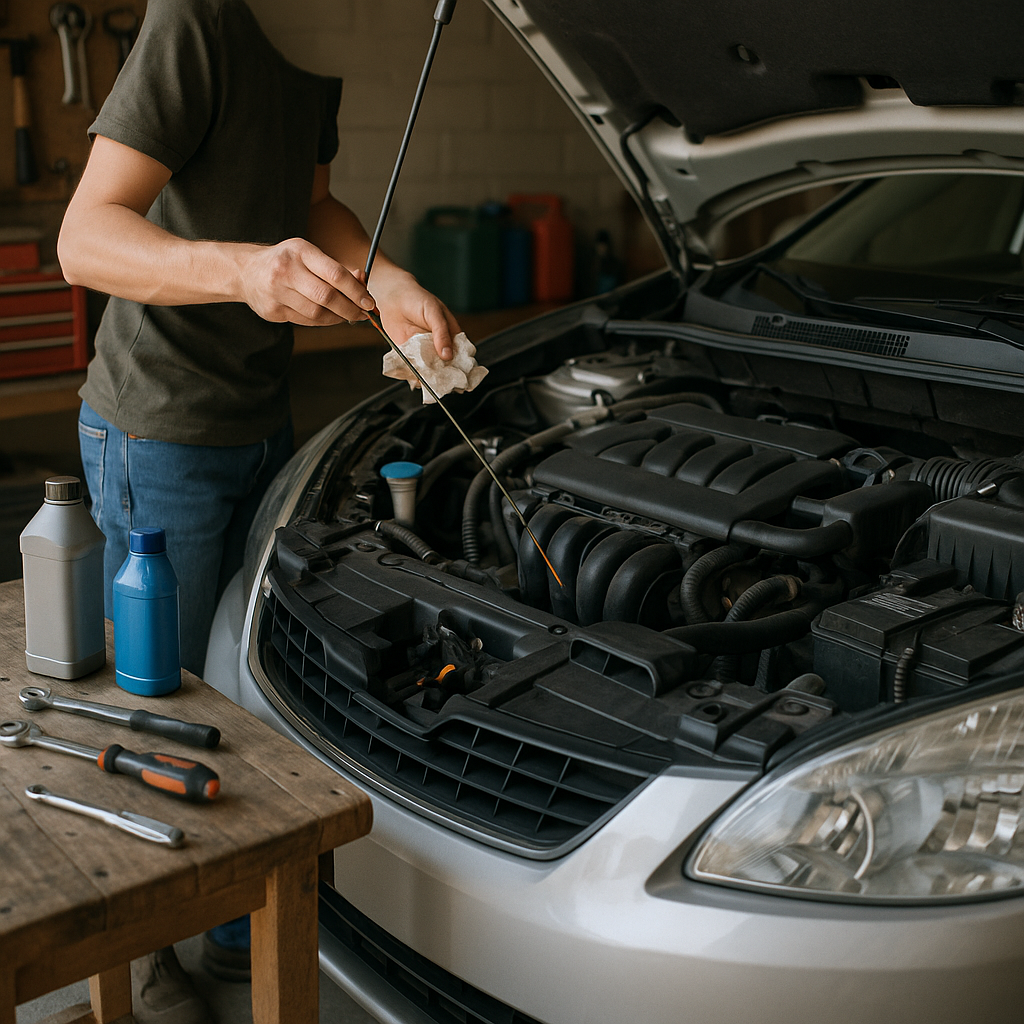
The Importance of a Monthly Car Maintenance Routine
Regular car maintenance is essential for ensuring the longevity and safety of your vehicle. In the UK, where weather conditions can vary significantly, a proactive approach to car care can prevent costly repairs and enhance road safety. Following a structured monthly maintenance routine allows you to identify potential issues before they escalate, ensuring your car remains roadworthy and compliant with MOT requirements.
With the average cost of car repairs often reaching hundreds of pounds, investing time in a monthly maintenance routine can save you money in the long run. This guide will help you create a practical routine tailored to your vehicle's needs, ensuring you're always ready for the road.
Monthly Maintenance Checklist
To keep your car in top shape, here’s a simple checklist to follow each month:
- Check Fluid Levels: Ensure oil, coolant, brake fluid, power steering fluid, and windscreen washer fluid are at recommended levels.
- Inspect Tyres: Check tyre pressure and tread depth to ensure they meet legal requirements and are safe for driving.
- Examine Lights: Test all exterior lights, including headlights, brake lights, and indicators, to ensure they are functioning properly.
- Clean Battery Terminals: Inspect battery terminals for corrosion and clean them if necessary to prevent starting issues.
- Look for Leaks: Check under the car for any signs of fluid leaks that could indicate a problem.
Fluid Checks
Fluid levels are critical for your vehicle's performance and safety. Here’s how to check them:
- Engine Oil: Use the dipstick to check the oil level. If it’s low, top it up with the correct type of oil as specified in your owner's handbook.
- Coolant: Ensure the coolant reservoir is filled to the recommended level. Low coolant can lead to overheating.
- Brake Fluid: Check the brake fluid level; if it’s below the minimum mark, consult a mechanic as this could indicate a leak.
- Windscreen Washer Fluid: Refill as needed, especially before long journeys or during winter months when visibility is crucial.
Tyre Maintenance
Tyres are the only contact point between your vehicle and the road, making their upkeep vital:
- Pressure: Use a reliable gauge to check tyre pressure, ensuring it matches the specifications found in your owner’s manual or on the driver’s door sill.
- Tread Depth: Use a tread depth gauge or the 20p test: insert a 20p coin into the tread; if the outer band is visible, your tread is too low and needs replacing.
- Visual Inspection: Look for any cracks, bulges, or foreign objects lodged in the tyres.
Lighting and Electrical Checks
Proper lighting is crucial for safe driving, especially during the darker months:
- Headlights: Turn on your headlights and check both low and high beams. Clean any dirt or grime off the lenses.
- Indicators: Activate indicators and walk around the vehicle to ensure they are functioning. Replace any burnt-out bulbs promptly.
- Brake Lights: Ask a friend to check if your brake lights illuminate when you press the pedal.
When to Book a Mechanic
While a monthly maintenance routine helps in identifying minor issues, there are times when you should seek professional assistance:
- If you notice unusual noises, such as grinding or squeaking, particularly when braking.
- If your vehicle is displaying warning lights on the dashboard, such as the engine management light.
- If you experience a drop in performance, such as reduced acceleration or difficulty starting the engine.
- If you find fluid leaks that you cannot identify or resolve on your own.
Booking a mechanic for a routine service can also be beneficial. Most manufacturers recommend a full service every 12 months or 12,000 miles, whichever comes first. This service typically includes a more thorough inspection of your vehicle’s systems, which can help catch issues that may not be apparent during a casual monthly check.
Cost Considerations
Understanding the potential costs associated with car maintenance can help you budget effectively:
- Oil Change: Expect to pay between £50 to £100 for an oil change, depending on the type of oil used and where you go.
- Tyre Replacement: The cost of new tyres can range from £50 to £150 each, depending on the brand and size.
- Brake Pads Replacement: Replacing brake pads can cost between £100 to £300, depending on the vehicle and whether you’re using OEM or aftermarket parts.
Remember, regular maintenance can prevent more significant issues that could lead to expensive repairs down the line. Always refer to your vehicle's owner handbook for specific maintenance schedules and recommendations.
Conclusion
By following this monthly car maintenance routine, you can ensure your vehicle remains safe, reliable, and efficient. Regular checks not only help you stay compliant with UK road regulations but also contribute to a safer driving experience. Make car maintenance a habit, and your vehicle will thank you for it.
UK ownership context
Use your owner's handbook and service schedule as the starting point, then adapt the timing to UK stop-start traffic, colder months and the mileage your car actually covers.
For many drivers, the most useful benchmark is not a generic internet interval but the manufacturer schedule, recent MOT advisories and the pattern of local driving the vehicle sees each week.
Useful next steps with Motoryst
Use the tools below to turn this advice into a practical next step.
- Store and organise your service history
- Run a vehicle history check before buying
- Compare warranty cover options
- Estimate current vehicle value
Useful UK references
- DVSA and GOV.UK guidance on MOT preparation
- Check previous MOT advisories and failures
- Use the vehicle owner's handbook and manufacturer service schedule for model-specific intervals, fluids and warning-light guidance.