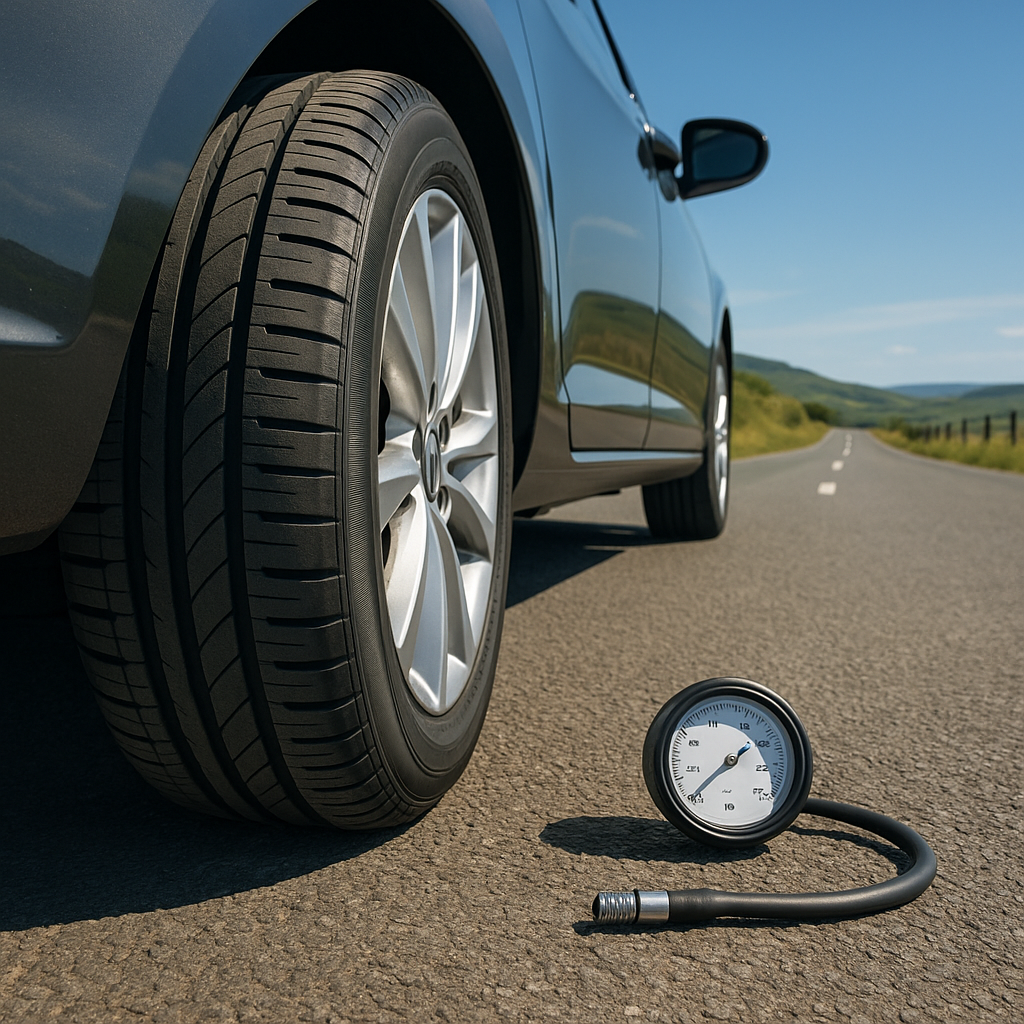
Why Tyre Pressure Matters
Tyre pressure is a crucial aspect of vehicle maintenance that significantly affects both fuel economy and safety. Maintaining the correct pressure in your tyres can enhance your car's performance, extend the life of the tyres, and improve overall road safety.
Understanding Tyre Pressure
Each vehicle has a recommended tyre pressure specified by the manufacturer, typically found in the owner's handbook or on a sticker inside the driver's door. This pressure is measured in PSI (pounds per square inch) and is designed to optimise the vehicle's performance.
Effects on Fuel Economy
Under-inflated tyres increase rolling resistance, which means your engine has to work harder to move the vehicle. This extra effort leads to higher fuel consumption. Conversely, over-inflated tyres can lead to a harsher ride and uneven wear, which can also affect fuel efficiency.
- Fuel consumption can increase by 2% for every 1 PSI drop in tyre pressure.
- Correctly inflated tyres can improve fuel efficiency by up to 3%.
Effects on Safety
Tyre pressure is equally important for safety. Incorrect pressure can lead to:
- Poor handling and reduced grip, especially in wet conditions.
- Increased risk of blowouts or tyre failure.
- Longer stopping distances, which can be critical in emergency situations.
Seasonal Considerations
In the UK, seasonal changes can impact tyre pressure. Cold weather can cause air to contract, leading to lower tyre pressure, while warmer temperatures can have the opposite effect. It's vital to check your tyre pressure regularly, especially when the seasons change.
Practical Steps for Checking Tyre Pressure
To ensure your tyres are at the correct pressure, follow these steps:
- Purchase a reliable tyre pressure gauge, which can be found at most automotive shops.
- Check the pressure when the tyres are cold, ideally before driving.
- Refer to the owner's handbook for the recommended PSI for your vehicle.
- Adjust the pressure as needed, inflating or deflating to meet the recommended levels.
When to Book a Mechanic
If you notice any of the following symptoms, it may be time to consult a mechanic:
- Uneven tyre wear, indicating potential alignment issues or incorrect pressure.
- Frequent loss of pressure, which could suggest a slow puncture or valve issue.
- Vibrations while driving, which may indicate tyre imbalance or damage.
Booking a mechanic can typically cost between £50 to £100 for a tyre check and inflation service, depending on the garage and the extent of the service required.
Maintaining Tyre Pressure for Cost Efficiency
Regular checks and maintenance of your tyre pressure not only enhance safety but also save you money in the long run. By improving your fuel economy, you can reduce your overall fuel costs. Additionally, properly maintained tyres are less likely to require premature replacement, further saving you money.
Conclusion
Maintaining the correct tyre pressure is a simple yet effective way to enhance both fuel economy and safety. By regularly checking your tyre pressure and adhering to manufacturer recommendations, you can ensure a smoother, safer ride. Make it a habit to check your tyres this week, and consider scheduling a mechanic visit if you notice any irregularities.
UK ownership context
If this issue affects visibility, braking, tyres, emissions or warning lights, treat it as a roadworthiness item and sort it before an MOT or any longer journey.
For many drivers, the most useful benchmark is not a generic internet interval but the manufacturer schedule, recent MOT advisories and the pattern of local driving the vehicle sees each week.
Useful next steps with Motoryst
Use the tools below to turn this advice into a practical next step.
- Check compliance and road-use related details
- Store and organise your service history
- Run a vehicle history check before buying
- Compare warranty cover options
Useful UK references
- DVSA and GOV.UK guidance on MOT preparation
- Check previous MOT advisories and failures
- Use the vehicle owner's handbook and manufacturer service schedule for model-specific intervals, fluids and warning-light guidance.