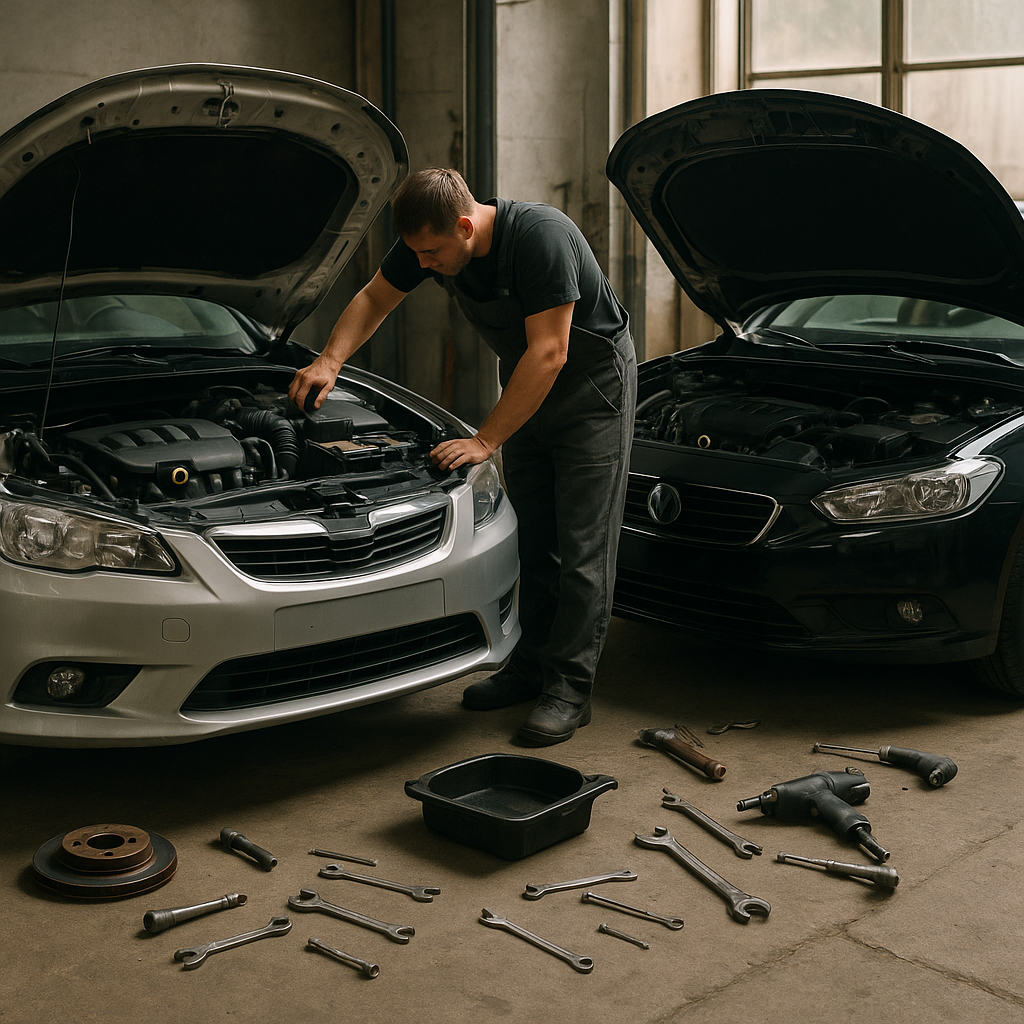
What Causes Poor Acceleration In Petrol And Diesel Vehicles
Experiencing poor acceleration in your petrol or diesel vehicle can be frustrating, especially when you need to respond quickly in traffic or during overtaking. Understanding the potential causes of this issue is crucial for both safety and vehicle performance. Various factors can contribute to sluggish acceleration, and identifying these can help you decide whether it’s a simple fix or if you need professional help.
Common Causes of Poor Acceleration
There are several reasons your vehicle may struggle to accelerate properly. Some common causes include:
- Fuel System Issues: A clogged fuel filter or failing fuel pump can restrict fuel flow, leading to inadequate power delivery.
- Air Intake Problems: A dirty air filter or malfunctioning mass airflow sensor can disrupt the air-fuel mixture, affecting engine performance.
- Ignition System Failures: Worn spark plugs or faulty ignition coils can cause misfires, leading to a lack of power during acceleration.
- Transmission Issues: Problems with the transmission, such as fluid leaks or worn components, can hinder the vehicle's ability to shift gears smoothly.
- Exhaust Blockages: A blocked catalytic converter can restrict exhaust flow, causing a drop in power.
Symptoms to Look Out For
When diagnosing poor acceleration, pay attention to the following symptoms:
- Unusual engine noises during acceleration, such as sputtering or backfiring.
- Delayed response when pressing the accelerator pedal.
- Engine warning lights illuminating on the dashboard.
- Increased fuel consumption without a corresponding increase in performance.
- Vibrations or shaking during acceleration.
Immediate Checks You Can Perform
Before heading to a garage, there are some straightforward checks you can conduct yourself:
- Air Filter: Inspect the air filter for dirt and debris. If it looks clogged, consider replacing it, which typically costs around £20 to £40.
- Fuel Filter: Check if the fuel filter is due for replacement. This is usually recommended every 20,000 to 40,000 miles and can range from £50 to £100, depending on the make and model.
- Spark Plugs: Review the condition of your spark plugs. Worn or fouled plugs should be replaced, costing about £10 to £15 each.
- Fluid Levels: Check the transmission fluid and engine oil levels. Low levels can affect performance; topping them up may be a simple fix.
Seasonal Considerations
The UK weather can also impact vehicle performance. In winter months, cold temperatures can thicken engine oil and affect fuel efficiency. During these months, ensure your vehicle is serviced regularly, and consider using a higher viscosity oil if recommended by your manufacturer. Additionally, ensure your battery is in good condition, as cold weather can reduce its effectiveness, leading to starting issues and poor acceleration.
When to Book a Mechanic
If you notice persistent issues with acceleration despite your checks, it may be time to consult a professional. Consider booking a mechanic if:
- The engine warning light remains illuminated after your checks.
- Acceleration problems are accompanied by strange noises or vibrations.
- You experience difficulty changing gears or notice slipping in the transmission.
- Fuel consumption has dramatically increased without explanation.
In the UK, a typical garage inspection can cost between £50 and £100. More in-depth diagnostics, especially for transmission issues, can range from £100 to £200, depending on the complexity of the problem.
Maintaining Your Vehicle for Optimal Performance
Regular maintenance is vital for ensuring your vehicle performs at its best. Adhering to your manufacturer’s service schedule is essential. This typically includes:
- Regular oil changes every 5,000 to 10,000 miles.
- Replacing air and fuel filters according to the service manual.
- Checking spark plugs and ignition components regularly.
Additionally, staying informed about your vehicle’s MOT requirements can help ensure roadworthiness and avoid unexpected issues. The DVSA recommends that vehicles over three years old undergo an MOT test annually, which checks key safety and performance aspects.
Conclusion
Understanding the causes of poor acceleration in petrol and diesel vehicles can empower you as a driver to take action and maintain your vehicle's performance. Regular checks and maintenance can prevent many issues, ensuring a safer and more enjoyable driving experience. Should problems persist, do not hesitate to seek professional assistance to avoid further complications.
UK ownership context
Use your owner's handbook and service schedule as the starting point, then adapt the timing to UK stop-start traffic, colder months and the mileage your car actually covers.
For many drivers, the most useful benchmark is not a generic internet interval but the manufacturer schedule, recent MOT advisories and the pattern of local driving the vehicle sees each week.
Useful next steps with Motoryst
Use the tools below to turn this advice into a practical next step.
- Store and organise your service history
- Run a vehicle history check before buying
- Compare warranty cover options
- Estimate current vehicle value
Useful UK references
- DVSA and GOV.UK guidance on MOT preparation
- Check previous MOT advisories and failures
- Use the vehicle owner's handbook and manufacturer service schedule for model-specific intervals, fluids and warning-light guidance.