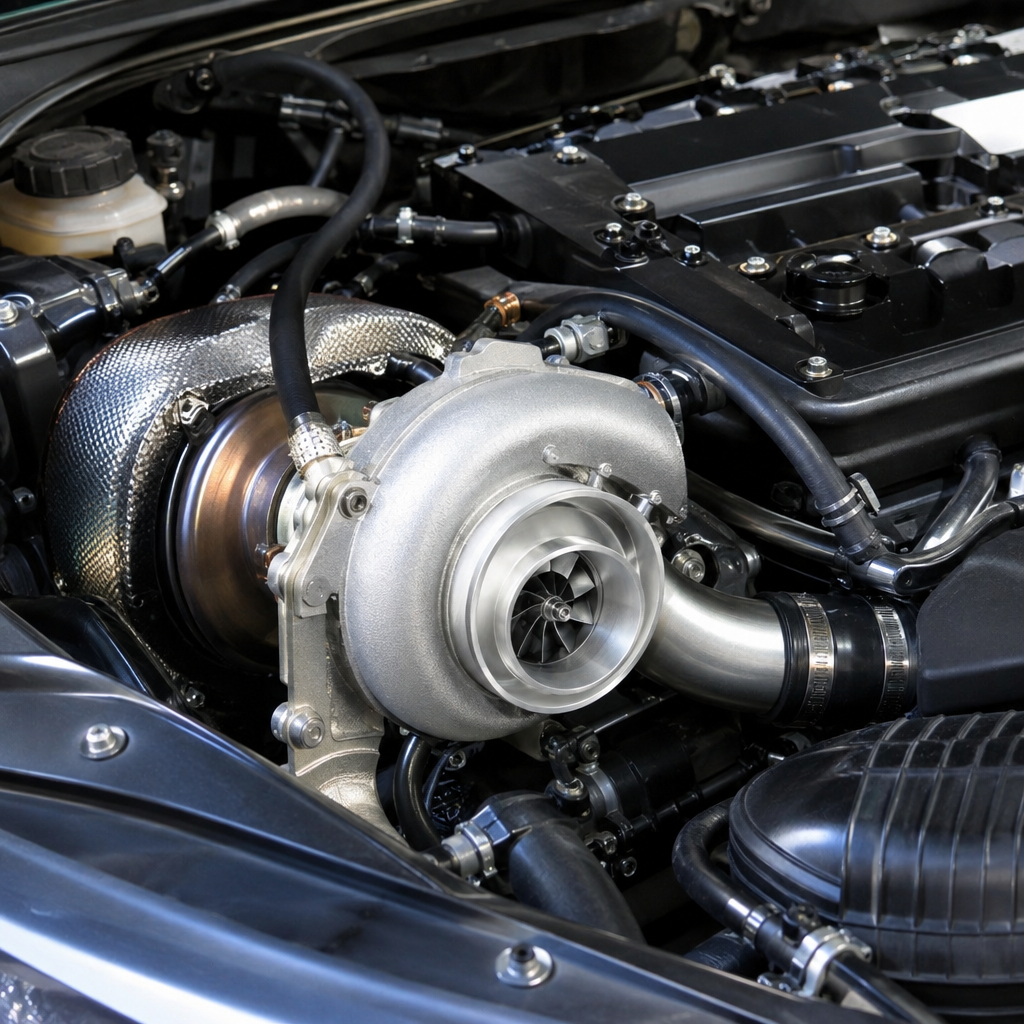
Turbochargers: The Heart of Performance
Turbochargers are vital components in modern vehicles, enhancing engine performance and fuel efficiency. However, like any mechanical part, they can develop issues over time. Recognising the warning signs early can save you from costly repairs and ensure your vehicle remains roadworthy.
Why Turbocharger Health Matters
In the UK, maintaining your vehicle's turbocharger is essential for several reasons:
- MOT Compliance: A faulty turbocharger can lead to increased emissions, potentially failing your MOT.
- Roadworthiness: A compromised turbo can affect your car's overall performance and safety.
- Ownership Costs: Ignoring turbo issues can lead to more extensive engine damage, resulting in higher repair costs.
Common Symptoms of Turbocharger Issues
Being aware of the signs that indicate turbocharger problems can help you take action before things escalate. Here are some common symptoms to look out for:
- Loss of Power: If your vehicle feels sluggish or struggles to accelerate, the turbocharger may not be functioning properly.
- Unusual Noises: Listen for whining, grinding, or hissing sounds, which could indicate mechanical failure or air leaks.
- Excessive Exhaust Smoke: Blue or black smoke from the exhaust can signify oil leaks or fuel issues related to the turbo.
- Check Engine Light: A lit check engine light can indicate various issues, including turbocharger malfunctions.
- Oil Leaks: Inspect for oil spots under your vehicle, which could suggest a failing turbo seal.
Practical Checks to Perform
Here are some practical checks you can perform to identify potential turbocharger issues:
- Visual Inspection: Regularly check for oil leaks around the turbo and associated piping.
- Listen for Noises: Pay attention to any unusual sounds when accelerating or idling.
- Monitor Performance: Keep track of your car's power and responsiveness during drives.
- Check Engine Codes: Use an OBD-II scanner to read any fault codes related to the turbo.
Seasonal Considerations
In the UK, seasonal changes can impact turbocharger performance. During colder months, engine oil can thicken, affecting lubrication. Ensure your oil is changed according to your vehicle's service schedule, typically every 5,000 to 10,000 miles, depending on your vehicle type. Additionally, keep an eye on your coolant levels, as overheating can lead to turbo failure.
When to Book a Mechanic
If you notice any of the symptoms mentioned above, it’s crucial to consult a mechanic. Here are specific scenarios when you should book an appointment:
- Persistent loss of power despite regular maintenance.
- Unusual noises that continue after a thorough inspection.
- Visible exhaust smoke that doesn’t clear.
- If the check engine light remains on after resetting.
In the UK, the cost of turbocharger repairs can vary significantly based on the make and model of your vehicle, as well as the extent of the damage. Simple repairs may cost around £150-£300, while complete turbocharger replacements can range from £600 to over £1,500. Always consult your owner's handbook for manufacturer-specific recommendations regarding turbo maintenance.
Conclusion
Identifying turbocharger warning signs early can help prevent severe engine damage and costly repairs. Regular maintenance, adherence to service intervals, and being vigilant about symptoms will ensure your vehicle remains in peak condition. If in doubt, don't hesitate to seek professional advice to maintain the performance of your vehicle.
UK ownership context
Use your owner's handbook and service schedule as the starting point, then adapt the timing to UK stop-start traffic, colder months and the mileage your car actually covers.
For many drivers, the most useful benchmark is not a generic internet interval but the manufacturer schedule, recent MOT advisories and the pattern of local driving the vehicle sees each week.
Useful UK references
- DVSA and GOV.UK guidance on MOT preparation
- Check previous MOT advisories and failures
- Use the vehicle owner's handbook and manufacturer service schedule for model-specific intervals, fluids and warning-light guidance.