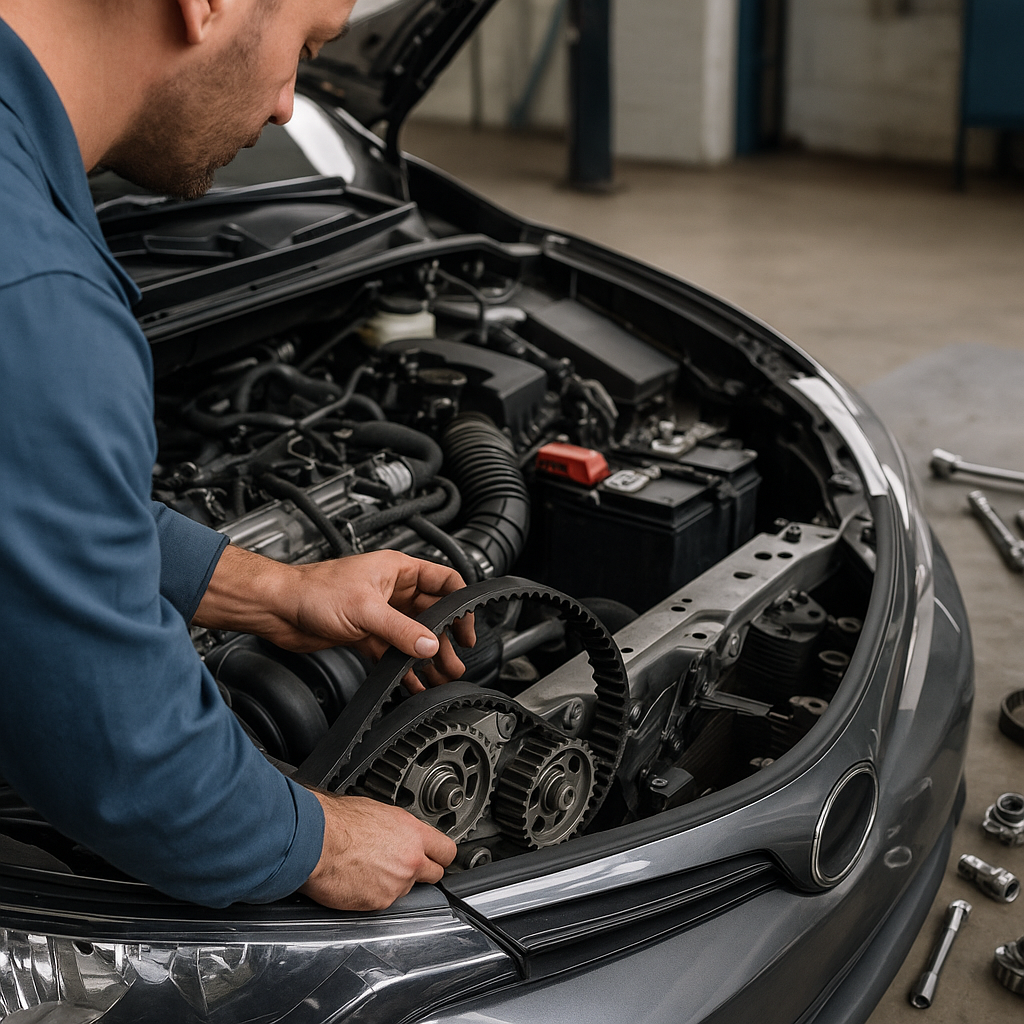
How Often Should You Replace Your Timing Belt
A timing belt is a crucial component of your engine, ensuring that the crankshaft and camshaft rotate in sync. This synchronisation is vital for the engine's performance and longevity. If the timing belt fails, it can lead to severe engine damage, resulting in costly repairs. Therefore, understanding when to replace your timing belt is essential for maintaining your vehicle's health.
Typical Replacement Intervals
The replacement interval for timing belts can vary significantly depending on the make and model of your vehicle. Generally, most manufacturers recommend replacing the timing belt every 60,000 to 100,000 miles. However, it’s crucial to consult your vehicle’s owner’s handbook for specific recommendations.
For instance, vehicles from manufacturers like Honda and Toyota often have longer intervals, while some European brands may require more frequent changes. Here are some common guidelines:
- 60,000 miles for older models or certain makes.
- 80,000 to 100,000 miles for most modern vehicles.
- Every 5 to 7 years, regardless of mileage, if you drive less frequently.
Signs of a Worn Timing Belt
Being proactive can save you from a breakdown. Here are some symptoms that may indicate your timing belt needs attention:
- Unusual engine noises such as ticking or slapping sounds.
- Difficulty starting the engine.
- Engine misfires or running poorly.
- Visible wear or damage upon inspection.
- Oil leaks near the timing belt area.
If you notice any of these signs, it’s advisable to have your vehicle inspected as soon as possible.
Seasonal Considerations in the UK
The UK’s varied weather conditions can impact your vehicle’s performance, including the timing belt. Cold temperatures can make rubber components brittle, while heat can cause them to degrade faster. Regular checks during seasonal changes can help you stay ahead of potential issues.
During winter, ensure your vehicle is roadworthy for the MOT, as any engine issues, including timing belt problems, could lead to a failure. A well-maintained timing belt can contribute to better fuel efficiency and overall vehicle performance, which is particularly beneficial during the colder months when fuel consumption may increase.
Practical Checks You Can Do This Week
Here are some practical checks and actions you can take this week to ensure your timing belt is in good condition:
- Check your owner's manual for the recommended timing belt replacement schedule.
- Inspect the timing belt for visible signs of wear, such as cracks or fraying.
- Listen for any unusual noises from the engine while it’s running.
- Check for oil leaks around the timing cover.
- Monitor your vehicle's performance; any decrease may warrant further inspection.
When to Book a Mechanic
Knowing when to consult a professional is vital. If you notice any of the symptoms mentioned earlier, it’s time to book a mechanic. Additionally, if you are approaching the recommended mileage or time interval for a timing belt replacement, don’t hesitate to schedule an appointment.
Timing belt replacement can be a complex job that requires specialised tools and knowledge. Therefore, it’s best to have it done by a qualified mechanic. Most garages will charge between £300 and £700 for a timing belt replacement, depending on the vehicle make and model, location, and whether other components, like the water pump, are replaced at the same time.
Cost Considerations
The cost of replacing a timing belt can vary widely based on several factors:
- Make and Model: Some vehicles have more accessible engines, making the job quicker and cheaper.
- Labour Costs: Labour rates can differ significantly across the UK.
- Additional Repairs: If your timing belt has failed, you may also need to repair or replace damaged engine components.
It’s always a good idea to get multiple quotes from reputable garages to ensure you’re getting a fair price.
Conclusion
Replacing your timing belt at the recommended intervals is crucial for maintaining your vehicle’s performance and avoiding costly repairs. Regular checks and being aware of the symptoms of a worn timing belt can help you stay proactive. Always refer to your owner's handbook for specific guidance and consult a mechanic if you have any concerns.
UK ownership context
Use your owner's handbook and service schedule as the starting point, then adapt the timing to UK stop-start traffic, colder months and the mileage your car actually covers.
For many drivers, the most useful benchmark is not a generic internet interval but the manufacturer schedule, recent MOT advisories and the pattern of local driving the vehicle sees each week.
Useful next steps with Motoryst
Use the tools below to turn this advice into a practical next step.
- Store and organise your service history
- Run a vehicle history check before buying
- Compare warranty cover options
- Estimate current vehicle value
Useful UK references
- DVSA and GOV.UK guidance on MOT preparation
- Check previous MOT advisories and failures
- Use the vehicle owner's handbook and manufacturer service schedule for model-specific intervals, fluids and warning-light guidance.