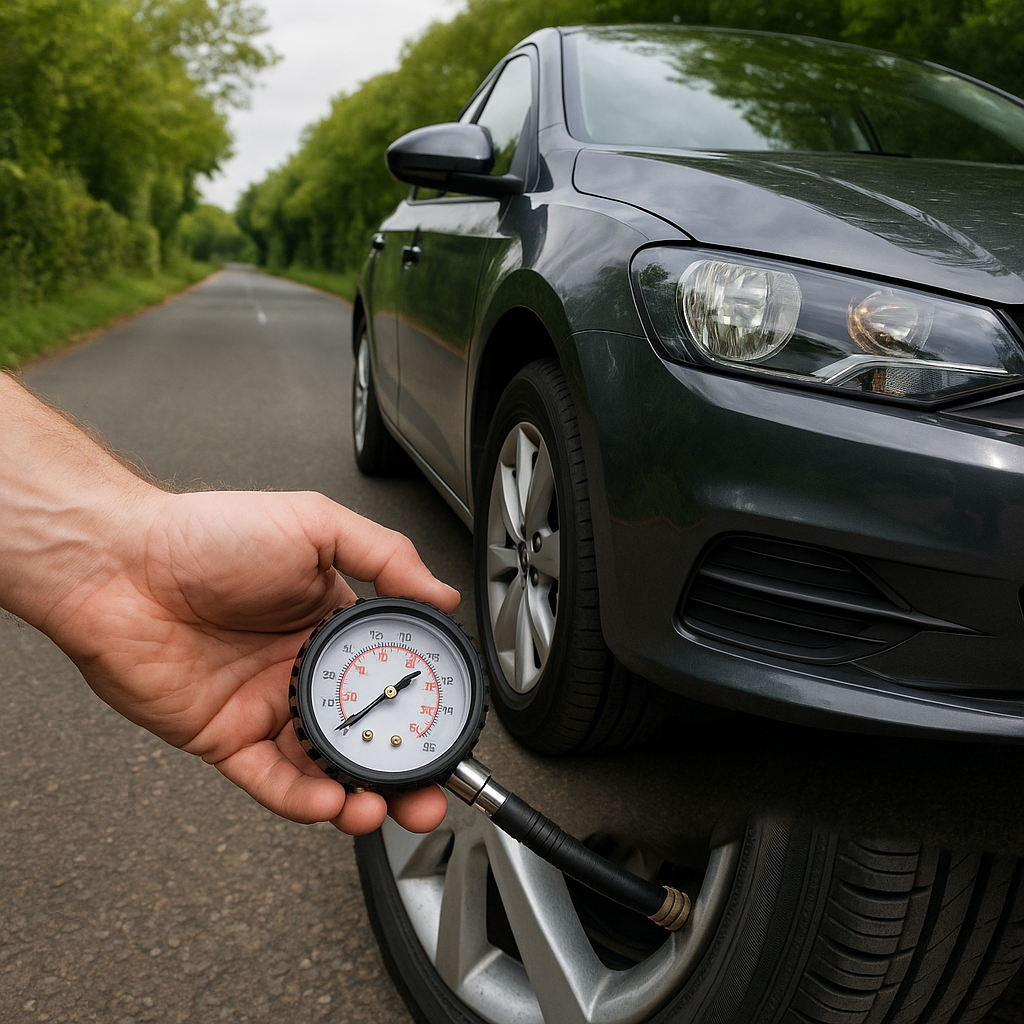
How Tyre Pressure Affects Fuel Economy And Safety
Maintaining the correct tyre pressure is crucial for both fuel economy and safety. Under-inflated or over-inflated tyres can lead to various issues that affect your vehicle's performance and your overall driving experience. In the UK, where road conditions can vary significantly, understanding and managing tyre pressure is essential.
Why Tyre Pressure Matters
Tyre pressure directly influences several aspects of vehicle performance:
- Fuel Efficiency: Correctly inflated tyres reduce rolling resistance, leading to better fuel economy.
- Safety: Proper tyre pressure ensures optimal contact with the road, improving traction and braking performance.
- Tyre Longevity: Maintaining the right pressure helps prevent uneven wear, extending the life of your tyres.
How Tyre Pressure Affects Fuel Economy
When your tyres are not inflated to the manufacturer's recommended levels, your vehicle has to work harder to maintain speed. This increased effort translates into higher fuel consumption. Studies suggest that for every 1 PSI drop in tyre pressure, fuel efficiency can decrease by approximately 0.2%. This might seem minimal, but over time, it can lead to significant costs.
Checking Your Tyre Pressure
To ensure your tyres are at the correct pressure, follow these steps:
- Use a reliable tyre pressure gauge, which can be purchased at any automotive store or online.
- Check the pressure when the tyres are cold, ideally before driving or at least three hours after driving.
- Refer to your vehicle's owner's handbook for the recommended PSI levels for both front and rear tyres.
Symptoms of Incorrect Tyre Pressure
It’s essential to be aware of the signs that indicate your tyre pressure may be incorrect:
- Increased fuel consumption or frequent stops at the petrol station.
- Unusual wear patterns on the tyre tread.
- Difficulty steering or a feeling of instability when driving.
Seasonal Considerations in the UK
In the UK, seasonal changes can significantly affect tyre pressure. As temperatures drop, tyre pressure tends to decrease. It’s advisable to check your tyre pressure more frequently during colder months, as the drop can be as much as 1 PSI for every 10°C decrease in temperature. Additionally, during the summer months, ensure that your tyres are not over-inflated, as heat can cause pressure to rise.
Tyre Pressure and the MOT Test
In the UK, the MOT test evaluates your vehicle's roadworthiness. While tyre pressure is not specifically checked, it is part of the overall condition of the tyres. Tyres must have a tread depth of at least 1.6mm across the central three-quarters of the tyre. Incorrect tyre pressure can lead to uneven wear, potentially failing the MOT due to insufficient tread depth.
When to Book a Mechanic
If you notice any of the symptoms mentioned earlier, or if you are unsure about your tyre pressure management, it's wise to consult a mechanic. Additionally, if you experience:
- Frequent loss of pressure despite regular checks.
- Visible damage or bulges on the tyres.
- Unusual vibrations while driving.
Booking a mechanic is advisable as they can perform a thorough inspection and provide recommendations. Costs for a tyre inspection can vary, typically ranging from £20 to £50, depending on the service provider and location.
Practical Tips for Maintaining Tyre Pressure
To maintain optimal tyre pressure, consider the following tips:
- Check tyre pressure at least once a month and before long journeys.
- Invest in a good quality tyre pressure gauge.
- Always adjust the pressure when the tyres are cold.
- Be mindful of load; carrying heavy items can affect tyre pressure.
Conclusion
Maintaining correct tyre pressure is fundamental for ensuring fuel efficiency and safety on the road. Regular checks and awareness of seasonal changes can help you avoid unnecessary costs and ensure a safer driving experience. By taking proactive measures, you can extend the lifespan of your tyres, improve your vehicle's performance, and ensure compliance with UK road safety standards.
UK ownership context
If this issue affects visibility, braking, tyres, emissions or warning lights, treat it as a roadworthiness item and sort it before an MOT or any longer journey.
For many drivers, the most useful benchmark is not a generic internet interval but the manufacturer schedule, recent MOT advisories and the pattern of local driving the vehicle sees each week.
Useful next steps with Motoryst
Use the tools below to turn this advice into a practical next step.
- Check compliance and road-use related details
- Store and organise your service history
- Run a vehicle history check before buying
- Compare warranty cover options
Useful UK references
- DVSA and GOV.UK guidance on MOT preparation
- Check previous MOT advisories and failures
- Use the vehicle owner's handbook and manufacturer service schedule for model-specific intervals, fluids and warning-light guidance.