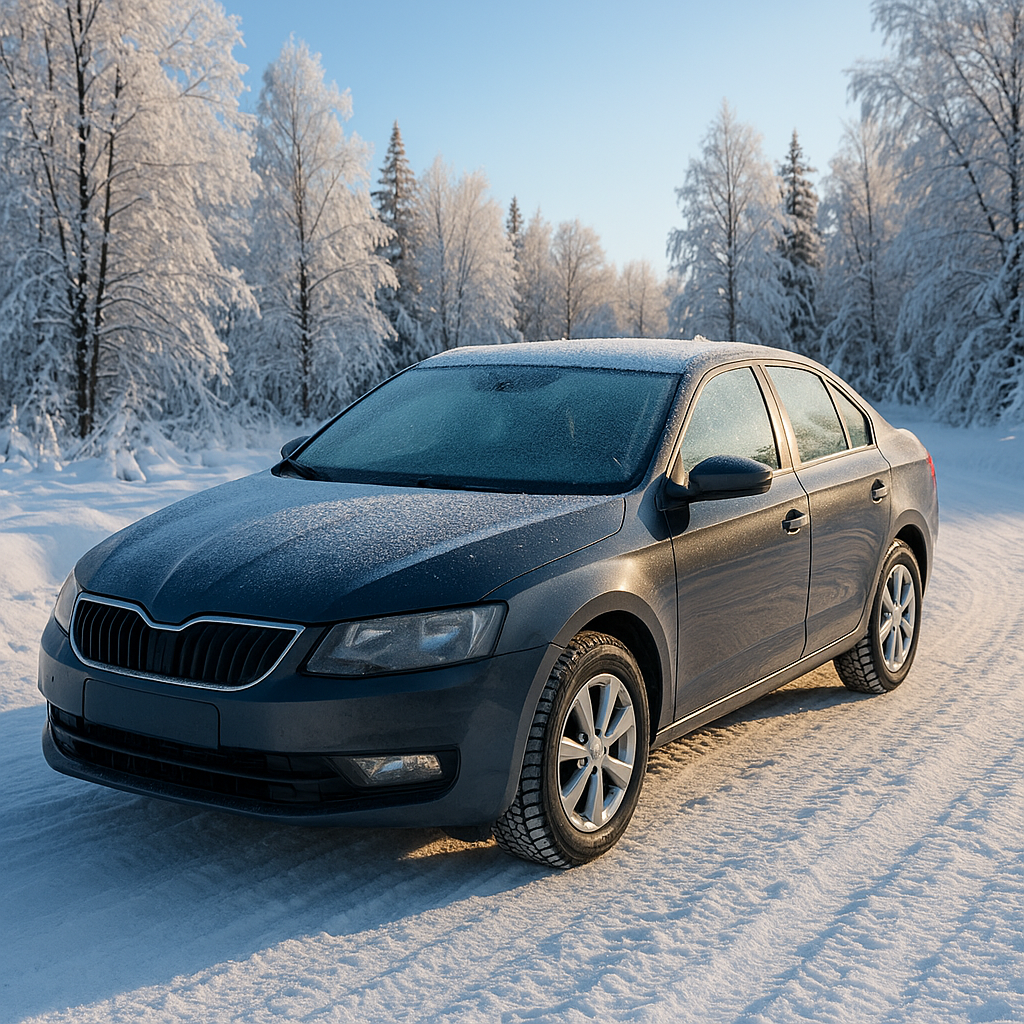
How To Prepare Your Car For Winter Commuting
Winter in the UK can bring a range of challenges for drivers, from icy roads to reduced visibility. As temperatures drop, it’s essential to ensure your vehicle is ready for the harsher conditions. Not only does this improve your safety, but it also ensures your car remains roadworthy, which is crucial for passing the annual MOT test.
During the winter months, vehicles can suffer from problems such as battery failure, poor tyre performance, and reduced visibility due to ice and snow. Regular maintenance checks and timely preparations can significantly reduce the chances of breakdowns and costly repairs.
Key Checks to Perform
Here are some critical areas to focus on when preparing your car for winter commuting:
- Battery Health: Cold weather can reduce battery capacity. Check your battery’s health, and consider replacing it if it’s over three years old.
- Tyres: Ensure your tyres have adequate tread depth (at least 3mm is recommended for winter). Consider switching to winter tyres for better grip.
- Antifreeze Levels: Check the coolant and antifreeze levels to prevent freezing and engine damage.
- Wipers and Washers: Replace worn wiper blades and top up your windscreen washer fluid with a winter mix.
- Lights: Ensure all lights are functioning correctly and clear of snow or ice.
Detailed Winter Preparations
To ensure your vehicle is winter-ready, follow these detailed preparations:
1. Battery Inspection
Cold weather can significantly impact battery performance. Inspect the battery terminals for corrosion and ensure connections are tight. If your battery is more than three years old, consider having it tested by a mechanic or replaced to avoid unexpected failures.
2. Tyre Maintenance
Check your tyre pressure regularly, as it can drop with the temperature. Ensure your tyres are in good condition, with sufficient tread depth. If you frequently drive in snowy or icy conditions, winter tyres can provide better traction and handling.
3. Fluid Levels
Check all essential fluids, including engine oil, brake fluid, and antifreeze. An antifreeze solution with a 50/50 mix of antifreeze and water is typically recommended for winter. This helps prevent the coolant from freezing, which can lead to serious engine damage.
4. Wiper Blades and Washers
Replace worn wiper blades to ensure clear visibility. Top up your windscreen washer fluid with a winter formula that can resist freezing. Consider using a de-icer spray for the windscreen to facilitate quicker clearing in the mornings.
5. Lights and Visibility
Check that all lights are functioning, including headlights, brake lights, and indicators. Clean any snow or ice from the headlights to enhance visibility during darker winter days.
Additional Winter Preparedness Tips
In addition to the essential checks, consider the following tips to make your winter commuting safer:
- Emergency Kit: Keep an emergency kit in your vehicle that includes a blanket, torch, first-aid supplies, and non-perishable snacks.
- Fuel Levels: Keep your fuel tank at least half full to prevent the fuel lines from freezing and to ensure you have enough fuel for unexpected delays.
- Driving Style: Adjust your driving habits for winter conditions. Allow for longer stopping distances and drive at reduced speeds in icy or snowy conditions.
When to Book a Mechanic
If you notice any of the following symptoms, it’s time to book a visit with a mechanic:
- Battery Warning Light: If the dashboard warning light is illuminated, have your battery checked immediately.
- Unusual Noises: Listen for any strange noises when starting your car or while driving that could indicate a mechanical issue.
- Fluid Leaks: If you notice any fluid pooling under your car, it’s essential to identify the source.
- Steering Issues: If your steering feels heavy or unresponsive, consult a mechanic as soon as possible.
Understanding Costs
Costs for winter preparations can vary. Here’s a rough guide to what you might expect:
- Battery Replacement: Typically ranges from £50 to £150, depending on the make and model of your car.
- Tyre Replacement: Budget around £60 to £120 per tyre for standard winter tyres.
- Wiper Blades: New blades can cost between £10 and £30 for a pair.
- Antifreeze: A bottle of antifreeze usually costs around £10 to £20.
Regular servicing as per your manufacturer’s schedule can help prevent winter-related issues. Refer to your owner’s handbook for specific recommendations on service intervals.
Conclusion
Preparing your car for winter commuting is essential for your safety and the longevity of your vehicle. By following these practical steps and being proactive about maintenance, you can navigate the winter months with confidence. Stay safe on the roads!
UK ownership context
UK weather swings, short urban trips and motorway mileage all change how quickly wear shows up, so set your checks around the way the car is actually used.
For many drivers, the most useful benchmark is not a generic internet interval but the manufacturer schedule, recent MOT advisories and the pattern of local driving the vehicle sees each week.
Useful next steps with Motoryst
Use the tools below to turn this advice into a practical next step.
- Store and organise your service history
- Run a vehicle history check before buying
- Compare warranty cover options
- Estimate current vehicle value
Useful UK references
- DVSA and GOV.UK guidance on MOT preparation
- Check previous MOT advisories and failures
- Use the vehicle owner's handbook and manufacturer service schedule for model-specific intervals, fluids and warning-light guidance.