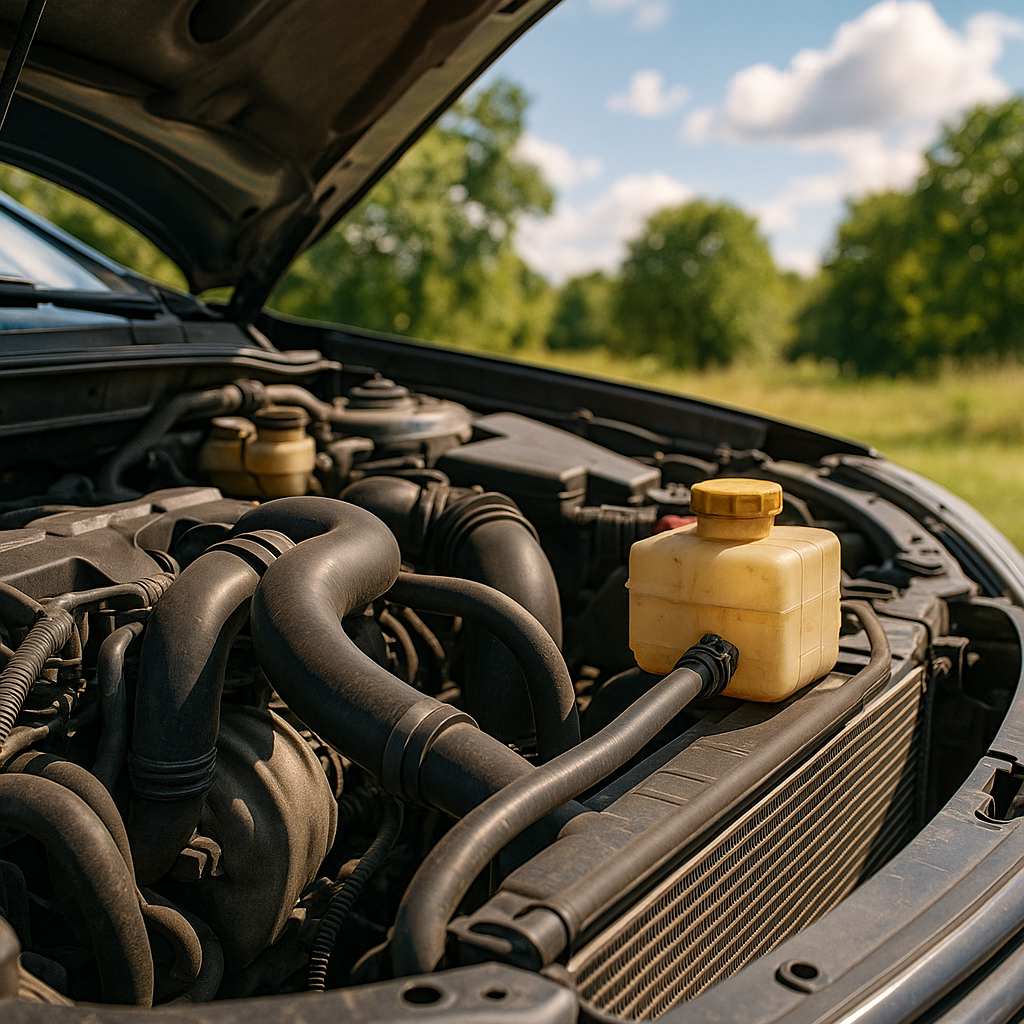
The Importance of a Healthy Cooling System
As the summer months approach, ensuring your vehicle's cooling system is in top condition becomes essential. In the UK, where temperatures can soar unexpectedly, a well-functioning cooling system prevents overheating, prolongs engine life, and maintains optimal performance.
Regular maintenance of your cooling system is not just about comfort; it also impacts your vehicle's roadworthiness, which is critical for passing the MOT test. A faulty cooling system can lead to serious engine damage, resulting in costly repairs and potentially failing your MOT.
Key Components of the Cooling System
Your vehicle's cooling system comprises several critical components, including:
- Radiator
- Water pump
- Thermostat
- Cooling fans
- Hoses
- Coolant
Each component plays a vital role in regulating engine temperature. Neglecting any part can lead to overheating, reduced efficiency, and ultimately, engine failure.
Practical Checks for Your Cooling System
This week, consider performing the following checks to keep your cooling system healthy:
- Check the Coolant Level: Ensure the coolant reservoir is filled to the recommended level. Low coolant can lead to overheating.
- Inspect for Leaks: Look for any signs of coolant leaks under your vehicle. Puddles of green, orange, or pink fluid can indicate a leak in the hoses or radiator.
- Examine Hoses and Clamps: Check for cracks, bulges, or signs of wear on the hoses. Ensure that all clamps are tight and secure.
- Test the Thermostat: If your engine temperature gauge fluctuates or the engine overheats, the thermostat may need testing or replacement.
- Check the Radiator: Inspect for debris or corrosion. A clean radiator allows for better airflow and cooling efficiency.
Signs Your Cooling System Needs Attention
Being aware of symptoms indicating cooling system issues can save you from more significant problems down the line:
- Engine temperature gauge reading higher than normal
- Warning lights on the dashboard
- Unusual smells, such as a sweet scent from coolant leaks
- Steam coming from the engine
- Low performance or power loss
Maintaining Your Coolant
Coolant, or antifreeze, is crucial for maintaining your engine's temperature. Here’s how to ensure it remains effective:
- Type of Coolant: Always use the type recommended in your owner's handbook. Different vehicles require specific types of coolant.
- Flush and Replace: Coolant should be flushed and replaced according to your manufacturer’s schedule, usually every 2-4 years, depending on the type.
- Mixing Coolants: Avoid mixing different types of coolant, as this can lead to chemical reactions that diminish effectiveness.
Seasonal Considerations for UK Drivers
The UK experiences a range of weather conditions, and summer can bring unexpected heatwaves. This makes it essential to prepare your vehicle accordingly:
During the summer months, the demand on your cooling system increases significantly. Ensure that your vehicle is serviced regularly, adhering to the manufacturer's recommended service intervals. Regular checks can help mitigate the risk of overheating, especially during long journeys or in stop-start traffic.
When to Book a Mechanic
While regular checks can help maintain your cooling system, certain situations warrant a professional inspection:
- If you notice any signs of overheating or unusual smells
- When your coolant level frequently drops without visible leaks
- If the temperature gauge consistently reads high
- After an incident where the cooling system may have been compromised
Booking a mechanic for a cooling system inspection can cost between £50 to £150, depending on the complexity of the issue and the garage's labour rates. Always seek a trusted garage and consider getting a quote before proceeding with any repairs.
Conclusion
Keeping your vehicle's cooling system healthy during the summer is crucial for both performance and safety. Regular checks, awareness of symptoms, and timely professional help can ensure your car remains roadworthy and reliable throughout the warmer months. By following these practical tips, you can enjoy a trouble-free driving experience this summer.
UK ownership context
UK weather swings, short urban trips and motorway mileage all change how quickly wear shows up, so set your checks around the way the car is actually used.
For many drivers, the most useful benchmark is not a generic internet interval but the manufacturer schedule, recent MOT advisories and the pattern of local driving the vehicle sees each week.
Useful next steps with Motoryst
Use the tools below to turn this advice into a practical next step.
- Store and organise your service history
- Run a vehicle history check before buying
- Compare warranty cover options
- Estimate current vehicle value
Useful UK references
- DVSA and GOV.UK guidance on MOT preparation
- Check previous MOT advisories and failures
- Use the vehicle owner's handbook and manufacturer service schedule for model-specific intervals, fluids and warning-light guidance.