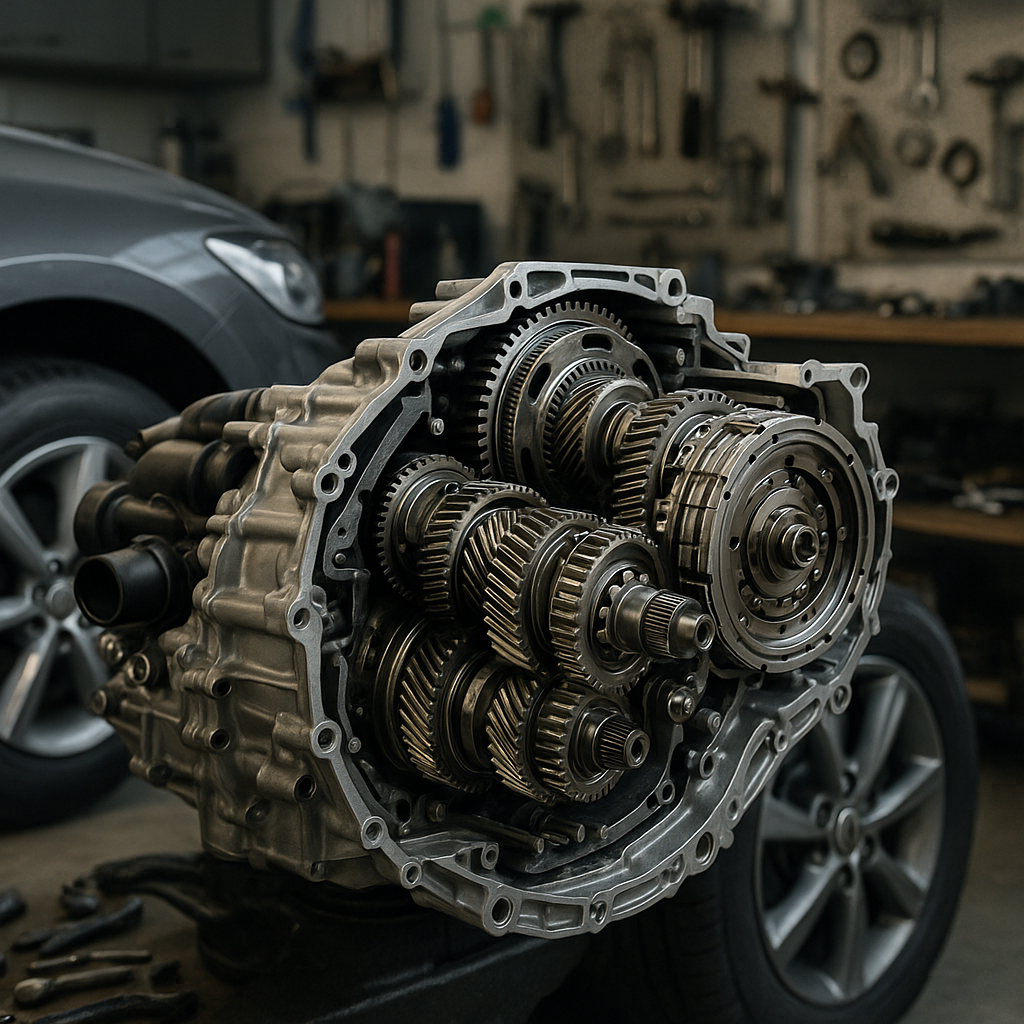
The Importance of Transmission Care in the UK
In the UK, automatic transmissions are increasingly popular due to their ease of use and convenience. However, they can be complex systems that require proper care to avoid costly repairs. Regular maintenance not only ensures your vehicle remains roadworthy for the MOT but also helps to extend the lifespan of your transmission. With the right practices, you can significantly reduce wear and tear, enhancing performance and reliability.
Signs of Transmission Wear
Recognising the early signs of transmission wear can save you from more severe issues down the line. Here are some common symptoms to watch for:
- Delayed or harsh shifting when changing gears
- Unusual noises, such as grinding or whining, when the vehicle is in gear
- Fluid leaks under the vehicle, often reddish in colour
- Warning lights on the dashboard related to the transmission
Key Practices to Minimise Wear
Implementing a few straightforward practices can help reduce wear on your automatic transmission. Consider the following:
- Regular Fluid Checks: Transmission fluid lubricates and cools the transmission. Check the fluid level and condition regularly, ideally every month. If it appears dark or has a burnt smell, it’s time for a change.
- Fluid Changes: Follow your manufacturer’s recommendations for fluid change intervals. This is typically every 30,000 to 60,000 miles, but always refer to your owner’s handbook for specifics.
- Avoid Overheating: Excessive heat is a primary enemy of automatic transmissions. Avoid heavy towing unless your vehicle is rated for it, and try to minimise stop-and-go driving.
- Use the Correct Fluid: Always use the transmission fluid specified in your vehicle’s manual. Using the wrong type can lead to poor performance and increased wear.
- Keep it Clean: Ensure your vehicle’s cooling system is functioning properly. A failing radiator can lead to overheating and subsequent transmission damage.
UK-Specific Context: MOT and Roadworthiness
In the UK, your vehicle must pass an MOT test annually if it’s over three years old. This test assesses the roadworthiness of your car, including the condition of the transmission. A well-maintained transmission not only helps you pass your MOT but also reduces the risk of breakdowns, which can be both inconvenient and costly. Regular checks and services can prevent problems from arising, saving you from expensive repairs and ensuring your car remains compliant with DVSA regulations.
Seasonal Considerations
Different seasons can affect the performance of your transmission. For example, winter can bring additional strain due to cold temperatures affecting fluid viscosity. In such conditions, ensure your transmission fluid is suitable for low temperatures. Conversely, summer heat can cause your transmission to overheat, so regular checks during heatwaves are essential.
When to Book a Mechanic
If you notice any of the signs of wear mentioned earlier, it’s important to consult a mechanic as soon as possible. Additionally, consider booking a professional inspection if:
- You experience persistent slipping or hesitation in gear changes
- Fluid leaks are significant and require immediate attention
- You hear grinding or clunking noises that don’t resolve
- Your dashboard warning lights remain illuminated
In the UK, the average cost for a transmission fluid change can range from £100 to £200, depending on the vehicle make and model, as well as labour costs in your area. More extensive repairs, such as a transmission rebuild, can run into the thousands, so proactive maintenance is always the best strategy.
Conclusion
Maintaining your automatic transmission is crucial for the longevity and performance of your vehicle. By implementing regular checks, adhering to manufacturer recommendations, and being aware of the signs of wear, you can significantly reduce the risk of costly repairs. Remember, a well-maintained transmission not only keeps your car running smoothly but also contributes to a safer driving experience on UK roads.
UK ownership context
Use your owner's handbook and service schedule as the starting point, then adapt the timing to UK stop-start traffic, colder months and the mileage your car actually covers.
For many drivers, the most useful benchmark is not a generic internet interval but the manufacturer schedule, recent MOT advisories and the pattern of local driving the vehicle sees each week.
Useful next steps with Motoryst
Use the tools below to turn this advice into a practical next step.
- Store and organise your service history
- Run a vehicle history check before buying
- Compare warranty cover options
- Estimate current vehicle value
Useful UK references
- DVSA and GOV.UK guidance on MOT preparation
- Check previous MOT advisories and failures
- Use the vehicle owner's handbook and manufacturer service schedule for model-specific intervals, fluids and warning-light guidance.