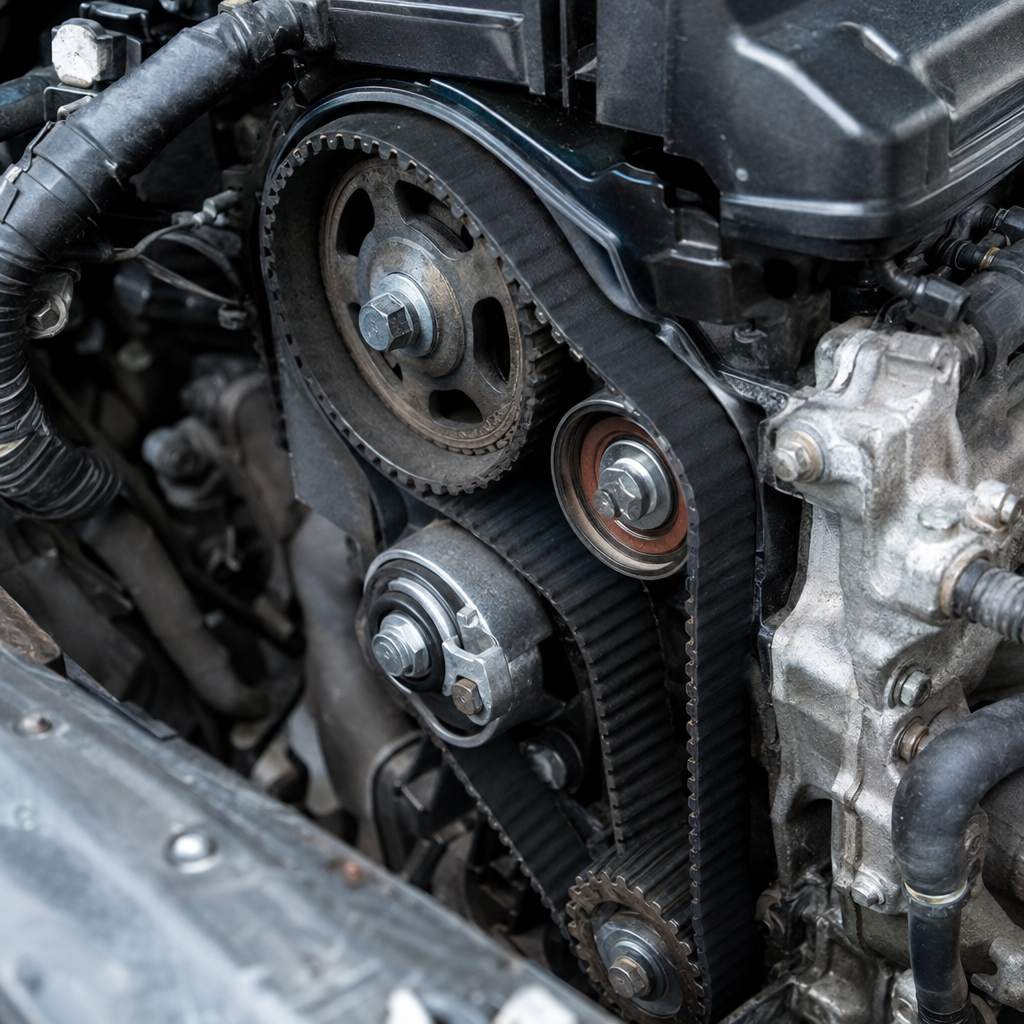
How Often Should You Replace Your Timing Belt
The timing belt is a crucial component of your vehicle's engine, responsible for synchronising the rotation of the crankshaft and camshaft. This ensures that the engine's valves open and close at the correct times during each cylinder's intake and exhaust strokes. A worn or damaged timing belt can lead to catastrophic engine failure, making regular inspection and timely replacement essential.
Replacement Intervals
Most manufacturers recommend replacing the timing belt between 60,000 to 100,000 miles, but this can vary based on the make and model of your vehicle. Always refer to your owner's handbook for the manufacturer's specific guidance.
Signs Your Timing Belt May Need Replacing
Being proactive about your vehicle's maintenance can save you from costly repairs down the line. Here are some symptoms that may indicate your timing belt is nearing the end of its life:
- Engine misfiring or running roughly
- Unusual noises such as ticking or grinding
- Oil leaks from the front of the engine
- Visible wear or cracks on the timing belt
- Difficulty starting the engine
UK Context: MOT and Roadworthiness
In the UK, your vehicle must pass an MOT test annually once it reaches three years old. A worn timing belt can affect your engine's performance and may contribute to failing the MOT. Regular maintenance, including timing belt checks, should be part of your pre-MOT inspection to ensure roadworthiness.
Seasonal Considerations
Weather conditions can also impact the longevity of your timing belt. For instance, extreme cold can make rubber brittle, while high temperatures can cause it to dry out. Regular checks, especially before winter and summer, can help you avoid unexpected breakdowns.
Practical Checks You Can Perform
This week, consider performing the following checks on your vehicle:
- Inspect the timing belt for visible signs of wear, such as cracks or fraying.
- Check for oil leaks under the engine, which can indicate a failing seal.
- Listen for unusual noises when the engine is running.
When to Book a Mechanic
If you notice any of the symptoms mentioned above, it's time to book an appointment with a qualified mechanic. Additionally, if your vehicle is approaching the recommended mileage for timing belt replacement, do not delay in scheduling this critical maintenance.
Cost Considerations
The cost of replacing a timing belt can vary significantly based on your vehicle's make and model. In general, you can expect to pay between £300 to £800 for parts and labour. Factors influencing the cost include:
- Type of vehicle (e.g., luxury vehicles may have higher costs)
- Location of the garage (urban areas may charge more)
- Whether other components, such as the water pump, are replaced at the same time
It's advisable to obtain quotes from multiple garages to ensure you're getting a fair price.
Final Thoughts
Maintaining your vehicle's timing belt is an essential part of vehicle ownership. By staying informed about replacement intervals and being vigilant about symptoms, you can ensure your engine remains in top condition. Regular checks and timely replacements can save you from unexpected breakdowns and costly repairs.
UK ownership context
Use your owner's handbook and service schedule as the starting point, then adapt the timing to UK stop-start traffic, colder months and the mileage your car actually covers.
For many drivers, the most useful benchmark is not a generic internet interval but the manufacturer schedule, recent MOT advisories and the pattern of local driving the vehicle sees each week.
Useful UK references
- DVSA and GOV.UK guidance on MOT preparation
- Check previous MOT advisories and failures
- Use the vehicle owner's handbook and manufacturer service schedule for model-specific intervals, fluids and warning-light guidance.