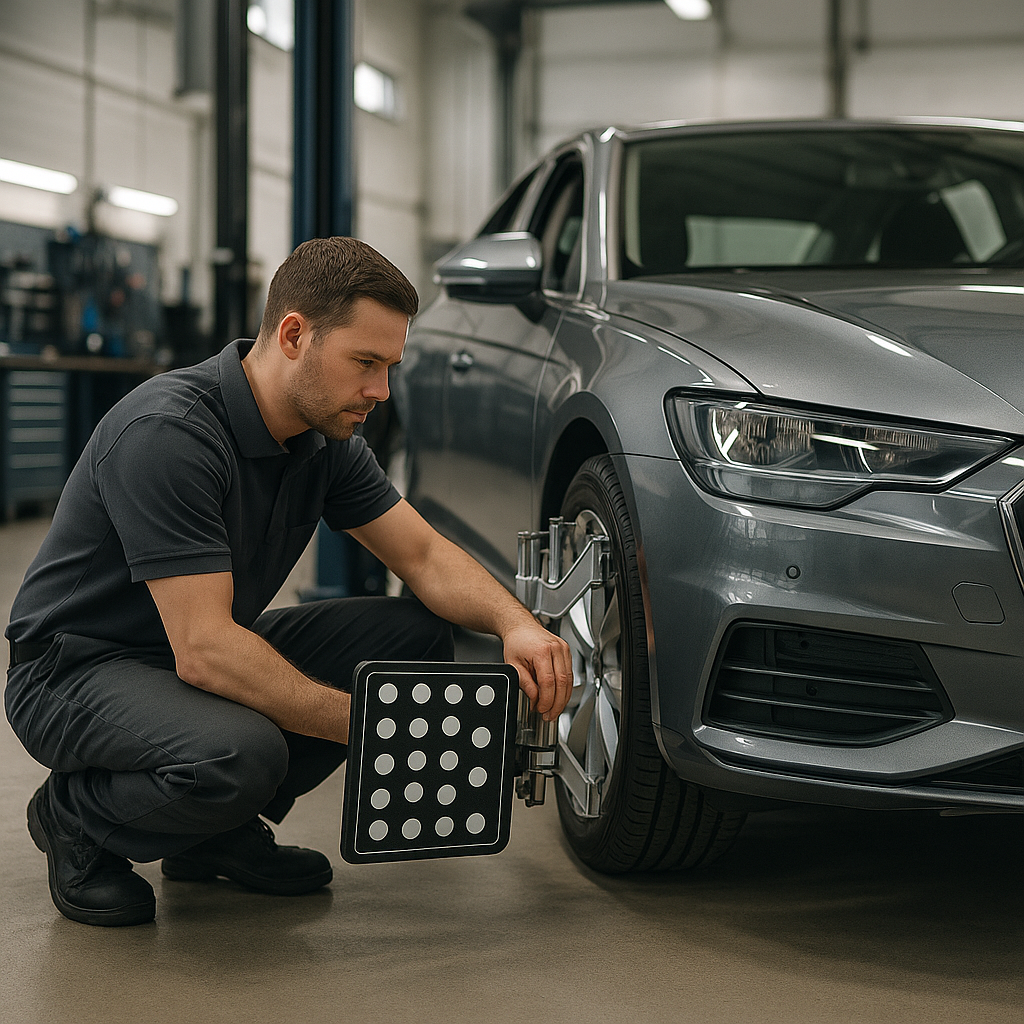
How Wheel Alignment Impacts Handling And Tyre Life
Wheel alignment refers to the adjustment of a vehicle's suspension, which connects a vehicle to its wheels. Proper alignment ensures that the wheels are perpendicular to the road and parallel to each other. This is vital for maintaining optimal handling, tyre wear, and overall vehicle performance.
In the UK, regular checks are essential, especially before winter or after hitting potholes, which can easily throw alignment out of sync. With the MOT test assessing vehicle roadworthiness, ensuring proper wheel alignment can also help avoid costly repairs down the line.
How Wheel Alignment Affects Handling
When your wheels are aligned correctly, your vehicle handles better. Misalignment can lead to several issues:
- Uneven Steering: If your car pulls to one side, it may indicate poor alignment, making it harder to steer straight.
- Increased Steering Effort: Misalignment can cause the steering wheel to feel heavy or unresponsive, especially during turns.
- Vibration: A misaligned vehicle may produce vibrations in the steering wheel, which can distract the driver and reduce comfort.
Proper wheel alignment ensures that your vehicle responds predictably to steering inputs, providing a safer driving experience, especially in challenging conditions such as rain or snow.
The Impact on Tyre Life
Tyres are a significant investment, and their lifespan can be drastically reduced by poor alignment. Here’s how:
- Uneven Wear: Misalignment can cause tyres to wear unevenly, leading to premature replacement.
- Reduced Fuel Efficiency: Incorrect alignment can increase rolling resistance, causing your vehicle to consume more fuel.
- Increased Risk of Blowouts: Worn tyres are more susceptible to punctures and blowouts, which can pose serious safety risks.
Regular alignment checks can extend the life of your tyres, saving you money and enhancing safety. Tyres should ideally be rotated every 5,000 to 7,500 miles, and alignment checks are recommended every 6,000 miles or when you notice any handling issues.
Common Symptoms of Misalignment
Being aware of the signs of misalignment can help you address issues before they escalate. Look out for:
- Your vehicle pulls to one side when driving straight.
- The steering wheel is off-centre when driving straight.
- Tyres show uneven wear patterns.
- Vibration in the steering wheel or floorboard.
If you notice any of these symptoms, it’s advisable to have your alignment checked as soon as possible.
Practical Steps to Check Your Alignment
As a UK driver, you can perform a simple test to assess your vehicle’s alignment:
- Find a flat, level surface and drive your vehicle straight.
- Observe whether the steering wheel is centred and if the vehicle pulls to one side.
- Check your tyre tread for any unusual wear patterns.
These steps can help you identify potential alignment problems and prompt you to seek professional assistance.
When to Book a Mechanic
Booking a mechanic for a wheel alignment should be a priority if you notice:
- Persistent pulling to one side despite steering adjustments.
- Steering wheel vibrations that don't resolve after balancing.
- Tyres wearing unevenly, especially after hitting a pothole or curb.
In the UK, the cost of a wheel alignment typically ranges from £30 to £100, depending on the vehicle type and the garage. Some garages may offer package deals that include tyre rotation or balancing, which can provide additional value.
Cost Considerations and Maintenance
Regular maintenance, including wheel alignment, is essential for vehicle longevity and safety. The cost of neglecting alignment can lead to:
- Frequent tyre replacements, costing upwards of £300 for a full set.
- Increased fuel consumption, which can add up over time.
- Potential suspension damage, leading to more expensive repairs.
Consult your owner's handbook for specific guidance on alignment checks and follow the manufacturer’s recommendations to ensure optimal handling and tyre life.
Conclusion
Maintaining proper wheel alignment is crucial for safe driving, optimal vehicle handling, and extending the life of your tyres. By being proactive and addressing alignment issues promptly, you can enhance your driving experience, save money, and ensure your vehicle remains roadworthy throughout its lifespan.
UK ownership context
If this issue affects visibility, braking, tyres, emissions or warning lights, treat it as a roadworthiness item and sort it before an MOT or any longer journey.
For many drivers, the most useful benchmark is not a generic internet interval but the manufacturer schedule, recent MOT advisories and the pattern of local driving the vehicle sees each week.
Useful next steps with Motoryst
Use the tools below to turn this advice into a practical next step.
- Check compliance and road-use related details
- Store and organise your service history
- Run a vehicle history check before buying
- Compare warranty cover options
Useful UK references
- DVSA and GOV.UK guidance on MOT preparation
- Check previous MOT advisories and failures
- Use the vehicle owner's handbook and manufacturer service schedule for model-specific intervals, fluids and warning-light guidance.