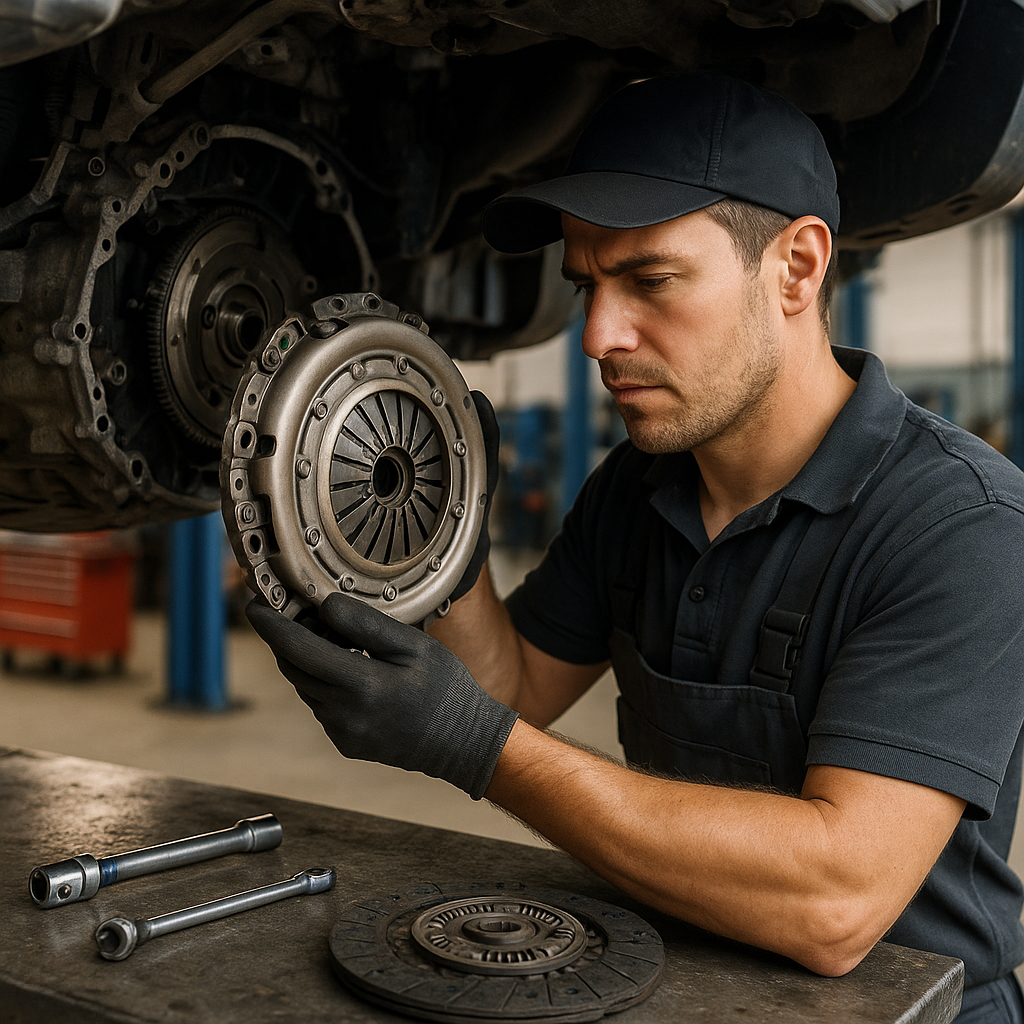
Identifying Clutch Wear: What Every Driver Should Know
The clutch is a crucial component of your vehicle's transmission system, allowing you to change gears smoothly. In the UK, where driving conditions can vary dramatically, understanding the signs of a wearing clutch is vital for maintaining vehicle performance and safety. Regular checks can help prevent more extensive repairs and ensure your car remains roadworthy, especially ahead of an MOT.
As a responsible car owner, being aware of the symptoms of clutch wear can save you from unexpected breakdowns and costly repairs. Here are some key signs to look out for:
Common Symptoms of Clutch Wear
- Slipping Clutch: If you notice that your engine revs without a corresponding increase in speed, your clutch may be slipping. This can indicate that the clutch plate is worn out.
- Difficulty Engaging Gears: Struggling to shift gears, especially into reverse or first gear, can signal clutch problems. This may be due to a worn clutch or issues with the hydraulic system.
- Unusual Noises: Listen for grinding, squeaking, or rattling noises when you engage the clutch. These sounds can indicate that the clutch components are failing.
- Vibration: If you feel excessive vibration when releasing the clutch pedal, it could mean that the clutch plate is damaged or out of alignment.
- Burning Smell: A burning odour when operating the clutch may suggest it is overheating, often due to excessive slipping or improper use.
Practical Checks You Can Do This Week
To ensure your clutch is in good condition, you can perform a few simple checks. Here’s a practical guide to assessing your clutch:
- Test Drive: Take your car for a short drive. Pay attention to how the clutch feels when you engage and disengage it. Note any unusual sounds or sensations.
- Check for Fluid Leaks: Inspect the area around the clutch master cylinder and slave cylinder for any signs of fluid leaks. Low fluid levels can affect clutch performance.
- Inspect the Clutch Pedal: Press the clutch pedal to ensure it feels firm and springs back properly. A spongy or soft pedal may indicate hydraulic issues.
- Listen for Noises: While driving, listen for any grinding or unusual noises when changing gears. If these occur, it’s time to investigate further.
The Importance of Regular Maintenance
In the UK, it's essential to keep your car in top condition, especially considering the annual MOT test that evaluates your vehicle's roadworthiness. A failing clutch can lead to a failed MOT, resulting in additional costs for repairs and potential fines for driving an unroadworthy vehicle.
Regular servicing as per your vehicle manufacturer’s recommendations can help you catch clutch wear early. Check your owner's handbook for specific service intervals and maintenance guidelines. Typically, clutches should be inspected every 20,000 to 30,000 miles, but this can vary based on driving habits and conditions.
When to Book a Mechanic
If you notice any of the signs mentioned above, it’s wise to consult a professional mechanic. Here are some specific situations that warrant an immediate appointment:
- If your clutch is slipping consistently, making it challenging to drive.
- When you hear grinding or unusual noises during gear changes.
- If you experience difficulty shifting gears, especially from neutral to first gear.
- When you notice a burning smell or excessive vibration when using the clutch.
In terms of costs, clutch replacement can vary significantly based on your vehicle's make and model, as well as the labour rates in your area. Generally, you can expect to pay anywhere from £500 to £1,200 for a complete clutch replacement, including parts and labour. Factors that can influence the cost include:
- The type of vehicle (manual vs. automatic)
- The complexity of the clutch system
- Regional labour rates
Final Thoughts
Being proactive about clutch maintenance can save you money and enhance your driving experience. By familiarising yourself with the signs of clutch wear and conducting regular checks, you can ensure that your vehicle remains safe and reliable. Remember, if in doubt, always consult a qualified mechanic to assess your clutch condition.
UK ownership context
Use your owner's handbook and service schedule as the starting point, then adapt the timing to UK stop-start traffic, colder months and the mileage your car actually covers.
For many drivers, the most useful benchmark is not a generic internet interval but the manufacturer schedule, recent MOT advisories and the pattern of local driving the vehicle sees each week.
Useful next steps with Motoryst
Use the tools below to turn this advice into a practical next step.
- Store and organise your service history
- Run a vehicle history check before buying
- Compare warranty cover options
- Estimate current vehicle value
Useful UK references
- DVSA and GOV.UK guidance on MOT preparation
- Check previous MOT advisories and failures
- Use the vehicle owner's handbook and manufacturer service schedule for model-specific intervals, fluids and warning-light guidance.