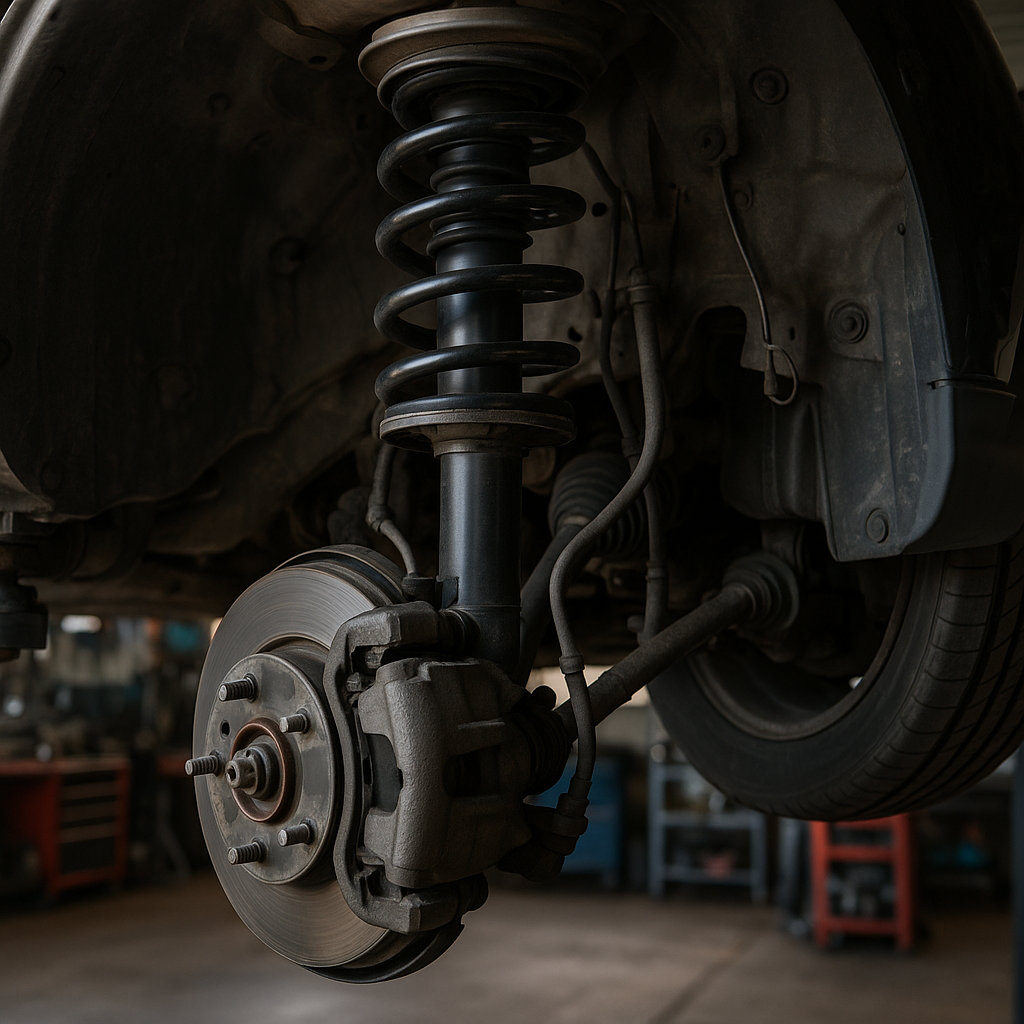
Why Suspension Health Matters
Your vehicle's suspension system plays a crucial role in ensuring a smooth ride and maintaining control on the road. In the UK, where road conditions can vary significantly, a well-functioning suspension system is vital not just for comfort, but also for safety and roadworthiness, particularly when preparing for an MOT test. Regular checks can help catch issues early, preventing costly repairs and potential accidents.
Common Signs of Suspension Problems
Being aware of the symptoms of suspension issues can save you from more severe problems down the line. Here are some signs to watch for:
- Unusual Noises: Listen for clunks, bangs, or rattles when driving over bumps or uneven surfaces.
- Uneven Tyre Wear: Inspect your tyres for uneven tread wear, which can indicate misalignment or suspension issues.
- Steering Problems: If your steering feels loose or unresponsive, it may be tied to suspension troubles.
- Vehicle Leaning: A noticeable lean to one side when cornering can signal worn-out components.
- Bumpy Ride: If you feel every bump in the road more than usual, it may be time to check your suspension.
Conducting Your Own Suspension Check
Taking a proactive approach can help you identify suspension problems before they worsen. Here’s a simple checklist you can follow:
- Visual Inspection: Regularly inspect the suspension components, including shock absorbers, struts, and springs, for any visible signs of damage, such as leaks or rust.
- Bounce Test: Push down on each corner of your car. If it bounces more than once before settling, your shocks or struts might be worn.
- Tyre Inspection: Check for any unusual wear patterns on your tyres, which can indicate alignment issues.
- Listen for Noises: Drive over bumps slowly and listen for any unusual sounds that could indicate a problem.
Seasonal Considerations
In the UK, seasonal changes can impact your vehicle's suspension. For example, potholes and rough road conditions are more prevalent during winter and spring, which can exacerbate existing issues. It's wise to conduct a thorough inspection after harsh weather conditions and before embarking on long journeys, especially if you're planning to drive in rural areas where roads may be less maintained.
The Impact of Suspension Issues on MOT
When it comes to MOT tests, suspension problems can lead to a failure. The DVSA states that any excessive wear or damage to suspension components can compromise vehicle safety. Ensuring your suspension is in good condition not only helps you pass your MOT but also maintains your car's overall performance and safety on the road.
When to Book a Mechanic
If you notice any of the signs mentioned above or if your DIY checks reveal potential issues, it’s time to consult a professional. Here are some specific scenarios where booking a mechanic is essential:
- If your car exhibits excessive bouncing or swaying while driving.
- If there are any fluid leaks around the shock absorbers or struts.
- If your vehicle pulls to one side while driving, indicating a possible alignment issue.
- If you hear clunking noises when driving over bumps.
Cost Considerations
The cost of suspension repairs can vary widely depending on the make and model of your vehicle and the specific issues at hand. Here’s a general breakdown of potential costs:
- Shock Absorber Replacement: £100 to £300 per unit, depending on the vehicle.
- Strut Replacement: £150 to £400 per strut, including labour.
- Wheel Alignment: Typically costs between £40 and £100.
Keep in mind that these costs can rise significantly if multiple components need replacement or if the issues have been left unaddressed for a long time. Regular maintenance can help mitigate these costs by catching problems early.
Keeping Records and Following Manufacturer Guidelines
Always refer to your owner’s handbook for specific maintenance schedules and recommendations for your vehicle. Following the manufacturer’s guidelines can help you stay on top of necessary inspections and replacements, ensuring your suspension system remains in optimal condition.
Conclusion
Being vigilant about your vehicle's suspension can save you from unexpected breakdowns and costly repairs. Regular checks and awareness of the signs of wear can help you maintain a safe and comfortable driving experience. If in doubt, consult with a qualified mechanic to ensure your suspension system is functioning correctly.
UK ownership context
Use your owner's handbook and service schedule as the starting point, then adapt the timing to UK stop-start traffic, colder months and the mileage your car actually covers.
For many drivers, the most useful benchmark is not a generic internet interval but the manufacturer schedule, recent MOT advisories and the pattern of local driving the vehicle sees each week.
Useful next steps with Motoryst
Use the tools below to turn this advice into a practical next step.
- Store and organise your service history
- Run a vehicle history check before buying
- Compare warranty cover options
- Estimate current vehicle value
Useful UK references
- DVSA and GOV.UK guidance on MOT preparation
- Check previous MOT advisories and failures
- Use the vehicle owner's handbook and manufacturer service schedule for model-specific intervals, fluids and warning-light guidance.