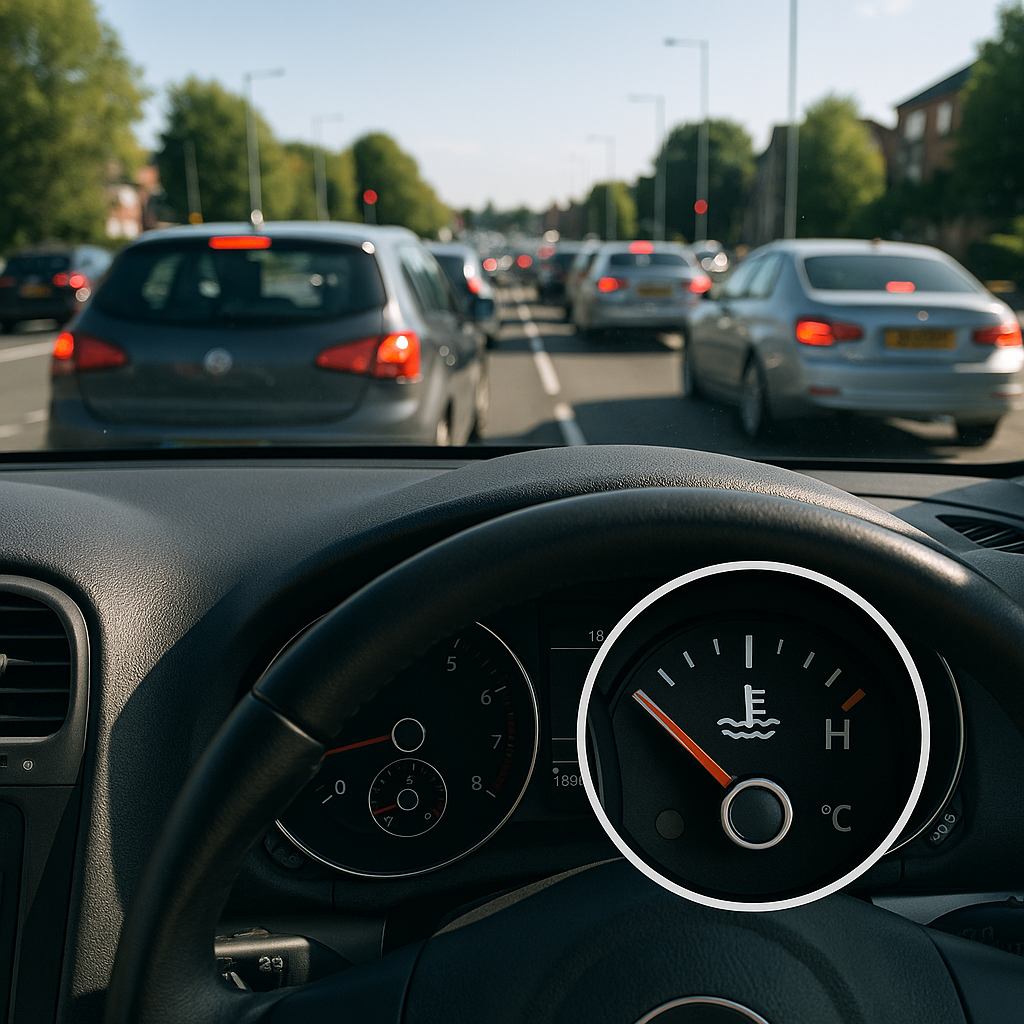
How To Prevent Overheating In Stop-start Traffic
Driving in stop-start traffic can put a significant strain on your vehicle's cooling system. In the UK, where urban congestion is common, understanding how to prevent overheating is essential for maintaining your car's performance and ensuring roadworthiness. An overheated engine can lead to severe damage, resulting in costly repairs and potentially failing your MOT.
Regular maintenance, including adhering to manufacturer service schedules, is crucial. Most vehicles require a full service at least once a year or every 12,000 miles, whichever comes first. This routine service includes checking the cooling system and ensuring all components are functioning correctly.
Common Causes of Overheating
Several factors can contribute to engine overheating, particularly in stop-start scenarios:
- Low Coolant Levels: Insufficient coolant can lead to overheating. It's vital to check your coolant levels regularly.
- Radiator Issues: A blocked or damaged radiator can impede cooling efficiency.
- Thermostat Faults: A malfunctioning thermostat can prevent coolant from circulating properly.
- Fan Problems: If the cooling fan isn't working, it won't dissipate heat effectively.
- Oil Quality: Old or low engine oil can increase friction and heat.
Practical Steps to Prevent Overheating
Here are actionable steps you can take this week to minimise the risk of overheating:
- Check Coolant Levels: Ensure your coolant is at the recommended level as outlined in your owner's handbook. Top up with the correct type of coolant if necessary.
- Inspect Hoses and Belts: Look for any signs of wear, leaks, or cracks in hoses and belts. These components are vital for the cooling system.
- Monitor Temperature Gauge: Keep an eye on your dashboard temperature gauge. If it approaches the red zone, take immediate action.
- Clean the Radiator: Remove any debris or dirt from the radiator grille to ensure proper airflow.
- Schedule Regular Maintenance: Follow your vehicle's service schedule to ensure all systems, including the cooling system, are checked routinely.
Recognising Symptoms of Overheating
It's essential to know the signs of an overheating engine. If you notice any of the following symptoms, take action immediately:
- Temperature gauge reading higher than normal
- Steam billowing from the engine bay
- Unusual smells, such as burning coolant
- Warning lights illuminated on the dashboard
- Loss of power or engine performance
When to Book a Mechanic
If you experience any symptoms of overheating or if your vehicle is consistently running hot, it may be time to consult a mechanic. Here are some specific scenarios to consider:
- If you have topped up your coolant but the engine continues to overheat
- When the temperature gauge frequently approaches the red zone
- After noticing any leaks under your vehicle
- If the engine begins to make unusual noises or you experience a loss of power
In the UK, the cost of diagnosing and repairing overheating issues can vary significantly based on the problem's complexity. A basic inspection may cost around £50 to £100, while more extensive repairs, such as replacing a thermostat or radiator, can range from £150 to £600, depending on the make and model of your vehicle.
Seasonal Considerations
Be particularly vigilant during warmer months when the risk of overheating increases. High temperatures can exacerbate existing issues in your cooling system. Additionally, during winter, ensure that your coolant is suitable for lower temperatures, as this can also affect performance.
Conclusion
Preventing overheating in stop-start traffic is crucial for maintaining your vehicle's health and ensuring a safe driving experience. By regularly checking your coolant levels, monitoring your temperature gauge, and scheduling routine maintenance, you can significantly reduce the risk of overheating. Stay proactive, and your car will thank you with reliable performance.
UK ownership context
Use your owner's handbook and service schedule as the starting point, then adapt the timing to UK stop-start traffic, colder months and the mileage your car actually covers.
For many drivers, the most useful benchmark is not a generic internet interval but the manufacturer schedule, recent MOT advisories and the pattern of local driving the vehicle sees each week.
Useful next steps with Motoryst
Use the tools below to turn this advice into a practical next step.
- Store and organise your service history
- Run a vehicle history check before buying
- Compare warranty cover options
- Estimate current vehicle value
Useful UK references
- DVSA and GOV.UK guidance on MOT preparation
- Check previous MOT advisories and failures
- Use the vehicle owner's handbook and manufacturer service schedule for model-specific intervals, fluids and warning-light guidance.