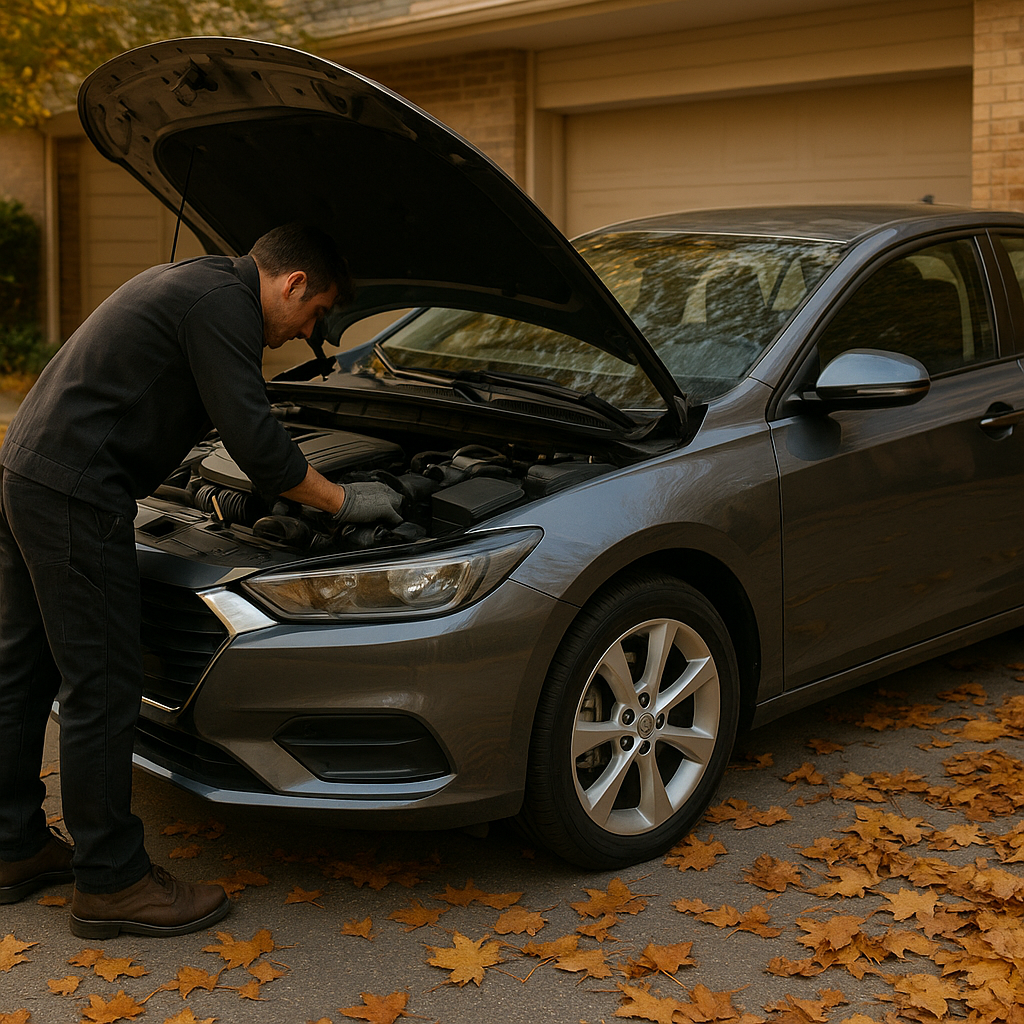
How To Maintain Your Car If You Drive Short Trips Only
Driving short distances may seem harmless, but it can lead to several issues that affect your car's performance and longevity. In the UK, many drivers use their vehicles for daily commutes, school runs, or quick errands, often covering less than five miles at a time. This driving style can prevent your engine from reaching optimal operating temperature, leading to condensation build-up, fuel residue, and other complications.
Moreover, short trips can impact your car's MOT status and overall roadworthiness. Regular maintenance is crucial to ensure that your vehicle remains compliant with UK regulations and ready for the road.
Key Maintenance Checks for Short Trip Drivers
To keep your car running smoothly despite frequent short trips, perform the following checks regularly:
- Engine Oil: Check the oil level weekly. Short trips can lead to oil degradation, so consider changing it every 5,000 miles instead of the standard 10,000.
- Battery Health: Frequent short journeys can prevent the battery from fully charging. Inspect connections and clean terminals as needed.
- Tyre Pressure: Ensure tyres are inflated to the recommended pressure. Check monthly, as temperature fluctuations can affect pressure.
- Brake System: Listen for unusual sounds when braking. Inspect brake pads and discs for wear, especially if you notice decreased responsiveness.
- Coolant Level: Keep an eye on the coolant level, as short trips can prevent the engine from reaching optimal temperature, affecting the cooling system.
Common Symptoms to Watch For
Being aware of specific symptoms can help you address potential issues before they escalate. Look out for:
- Unusual Noises: Grinding or squealing sounds can indicate brake wear or engine issues.
- Warning Lights: Pay attention to dashboard warning lights, particularly the engine and battery indicators.
- Reduced Performance: If your car struggles to accelerate or feels sluggish, it may require a diagnostic check.
- Fluid Leaks: Any puddles under your vehicle should be investigated. Common leaks include oil, coolant, or brake fluid.
Practical Maintenance Tips
In addition to regular checks, consider these practical maintenance tips:
- Use a Fuel Additive: Fuel additives can help keep the fuel system clean, especially if you drive short distances regularly.
- Take Longer Drives Occasionally: Aim to take your car on a longer trip at least once a month to allow the engine to reach optimal temperature and burn off any carbon deposits.
- Keep the Exterior Clean: Short trips can lead to dirt accumulation. Regular washes help protect the paintwork and prevent rust.
- Inspect Wipers and Lights: Ensure that wipers are functioning well and all lights are operational. Replace bulbs and wipers as needed.
When to Book a Mechanic
While regular checks can prevent many issues, there are times when professional help is necessary. You should book a mechanic if:
- You notice persistent warning lights on the dashboard.
- There are significant changes in engine performance or fuel efficiency.
- You hear unusual noises that do not go away after checking fluids and components.
- You find any leaks that you cannot identify.
- Your vehicle is due for its MOT or servicing, as outlined in your owner’s handbook.
Cost Considerations for Maintenance
Maintaining your car can be cost-effective if you stay on top of regular checks and minor repairs. Here are some typical costs you might encounter:
- Oil Change: Expect to pay between £50 and £100 for a professional oil change, depending on the type of oil and location.
- Brake Pads Replacement: Costs can range from £100 to £300 for both front and rear pads, depending on the make and model of your vehicle.
- Battery Replacement: A new battery typically costs between £70 and £150, including fitting.
- MOT Test: The standard fee for an MOT test is capped at £54.85 for cars, but additional repairs may vary significantly.
Always consult your owner’s handbook for specific maintenance schedules and recommendations. Following the manufacturer's guidelines can help you avoid unnecessary costs and ensure your vehicle remains roadworthy.
Preparing for Seasonal Changes
In the UK, seasonal weather changes can impact your vehicle's performance. It's essential to adjust your maintenance routine accordingly:
- Winter: Check antifreeze levels, inspect tyres for tread depth, and ensure that your battery is in good condition to cope with cold weather.
- Summer: Monitor coolant levels and inspect the air conditioning system, as it may not be used as frequently during colder months.
By following these guidelines, you can maintain your vehicle effectively, even with a driving pattern focused on short trips. Regular checks and timely professional assistance will keep your car running smoothly and safely on UK roads.
UK ownership context
Use your owner's handbook and service schedule as the starting point, then adapt the timing to UK stop-start traffic, colder months and the mileage your car actually covers.
For many drivers, the most useful benchmark is not a generic internet interval but the manufacturer schedule, recent MOT advisories and the pattern of local driving the vehicle sees each week.
Useful next steps with Motoryst
Use the tools below to turn this advice into a practical next step.
- Store and organise your service history
- Run a vehicle history check before buying
- Compare warranty cover options
- Estimate current vehicle value
Useful UK references
- DVSA and GOV.UK guidance on MOT preparation
- Check previous MOT advisories and failures
- Use the vehicle owner's handbook and manufacturer service schedule for model-specific intervals, fluids and warning-light guidance.