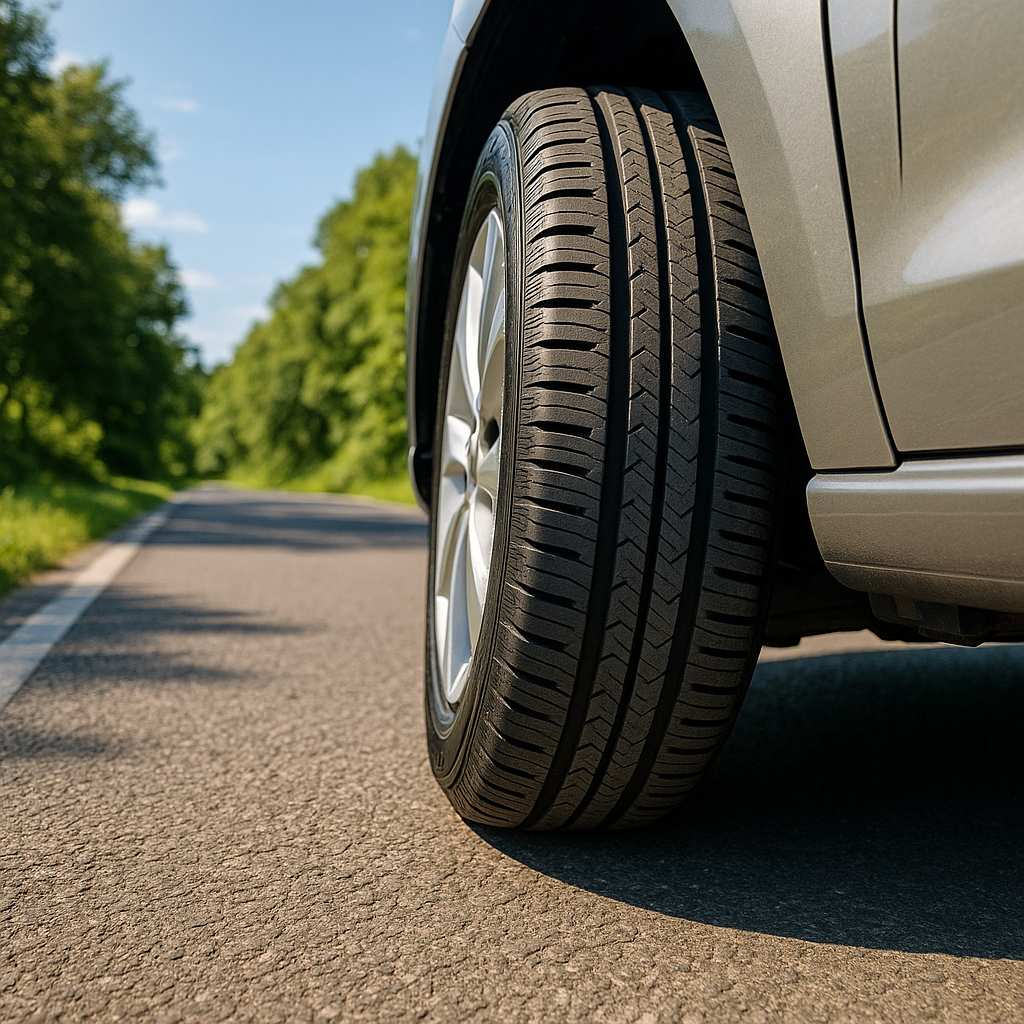
Tyre Pressure: A Crucial Element for UK Drivers
Maintaining the correct tyre pressure is one of the simplest yet most effective ways to enhance your vehicle's fuel economy and safety. For UK drivers, understanding how tyre pressure affects your car’s performance can lead to significant cost savings and increased road safety.
How Tyre Pressure Influences Fuel Economy
Tyre pressure plays a vital role in how efficiently your vehicle uses fuel. When tyres are under-inflated, they create more rolling resistance, forcing the engine to work harder. This can lead to higher fuel consumption.
Here are key points on how tyre pressure affects fuel economy:
- Under-inflated tyres can reduce fuel efficiency by up to 3% for every 1 PSI drop in pressure.
- Correctly inflated tyres ensure optimal contact with the road, reducing drag and improving mileage.
- Maintaining proper tyre pressure can extend the lifespan of your tyres, saving you money on replacements.
Safety Concerns Linked to Tyre Pressure
In addition to fuel economy, tyre pressure is critical for safety. Incorrectly inflated tyres can lead to several dangerous situations:
- Under-inflation increases the risk of tyre blowouts, especially at high speeds.
- Over-inflated tyres can cause reduced traction, particularly in wet conditions, increasing the likelihood of skidding.
- Incorrect pressure can affect braking distance, making it harder to stop your vehicle safely in an emergency.
Checking Your Tyre Pressure: A Practical Guide
Regularly checking your tyre pressure is essential for both fuel efficiency and safety. Here’s how to do it:
- Find the recommended tyre pressure for your vehicle, usually located in the owner's handbook or on a sticker inside the driver's door frame.
- Use a reliable tyre pressure gauge to check each tyre, including the spare, when they are cold (ideally before driving).
- If the pressure is too low, inflate the tyres to the recommended level. If they are too high, release some air.
In the UK, it is advisable to check your tyre pressure at least once a month and before long journeys. Seasonal changes can also affect tyre pressure, so be vigilant, especially during winter and summer months.
Context: MOT and Roadworthiness
In the UK, maintaining correct tyre pressure is not just a matter of performance; it’s also a legal requirement for roadworthiness. During an MOT test, the condition of your tyres, including their pressure, will be assessed. Tyres must have a minimum tread depth of 1.6mm and be free from significant damage or wear. Driving with incorrect tyre pressure can lead to failed MOTs, resulting in costly repairs and fines.
Cost Implications of Poor Tyre Maintenance
Neglecting tyre pressure can lead to increased fuel costs and premature tyre wear. The financial impact can be substantial:
- Fuel costs can rise significantly with under-inflated tyres.
- Replacing worn tyres can cost anywhere from £50 to £150 per tyre, depending on the make and model.
- Increased wear on suspension and braking systems due to poor tyre condition can lead to additional repair costs.
When to Book a Mechanic
If you notice any of the following symptoms, it may be time to consult a mechanic:
- Persistent under-inflation despite regular checks.
- Uneven tyre wear, indicating alignment issues.
- Vibrations or pulling to one side while driving, which can suggest a more significant issue.
Regular visits to a mechanic for tyre inspections can help catch any potential problems early. Most reputable garages offer tyre checks as part of their service, often at little to no cost.
Conclusion: Prioritising Tyre Pressure
Maintaining the correct tyre pressure is a simple yet effective way to enhance both fuel economy and safety. By regularly checking your tyre pressure and addressing any issues promptly, you can save money on fuel and repairs while ensuring a safer driving experience. Remember, your tyres are the only contact between your vehicle and the road—treat them well!
UK ownership context
If this issue affects visibility, braking, tyres, emissions or warning lights, treat it as a roadworthiness item and sort it before an MOT or any longer journey.
For many drivers, the most useful benchmark is not a generic internet interval but the manufacturer schedule, recent MOT advisories and the pattern of local driving the vehicle sees each week.
Useful next steps with Motoryst
Use the tools below to turn this advice into a practical next step.
- Check compliance and road-use related details
- Store and organise your service history
- Run a vehicle history check before buying
- Compare warranty cover options
Useful UK references
- DVSA and GOV.UK guidance on MOT preparation
- Check previous MOT advisories and failures
- Use the vehicle owner's handbook and manufacturer service schedule for model-specific intervals, fluids and warning-light guidance.